
In This Article
Why Mid-Year Is the Right Time for a Health Reset
There's something clarifying about hitting the halfway mark. January health goals feel abstract. June health goals come with a deadline. If you book your blood work and routine screenings now, you'll have results back with enough time to address anything that comes up well before December.
This matters more than you might think. Many chronic conditions develop silently. High cholesterol, early diabetes, thyroid imbalances, iron deficiency. None of these announce themselves with dramatic symptoms. They creep in slowly, and routine blood work is often the only way to catch them before they cause real problems. A mid-year health checkup gives you the clearest possible picture of where things stand right now.
If you've been meaning to get a health check-up in Toronto but keep pushing it off, this is your second chance. If you don't currently have a family provider, now is also the time to find one rather than scrambling in the fall when clinic schedules tighten up. At Care& Family Health, members get unlimited visits with their own dedicated Nurse Practitioner, which makes it far easier to stay consistent with preventive care throughout the year.
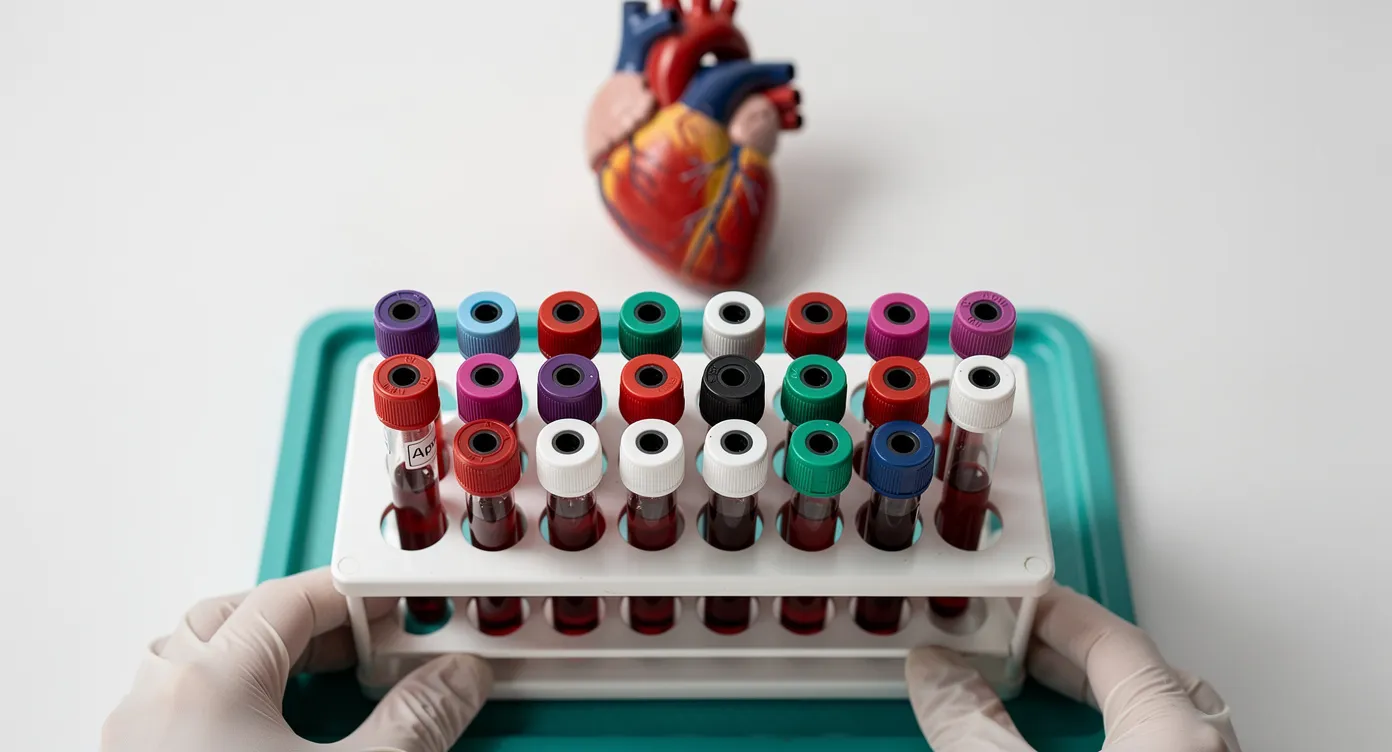
Blood Tests Every Adult Should Have on File
Not everyone needs the same panel of tests. Your provider will tailor your annual blood work based on your age, health history, and risk factors. But there's a core set of tests that most adults benefit from having checked on a regular basis.
Complete Blood Count (CBC) gives a broad picture of your overall health by measuring red and white blood cells along with platelets. It helps identify conditions like anemia, infection, and clotting disorders. Lipid Panel checks your cholesterol levels, including LDL, HDL, and triglycerides. This is one of the most important routine blood tests for adults assessing cardiovascular risk, especially if you have a family history of heart disease.
Fasting Glucose and HbA1c screen for diabetes and prediabetes. With diabetes rates climbing across Canada, this is a test most adults should have done at least every few years, and more often if you carry risk factors. Thyroid Function (TSH) evaluates how well your thyroid is working. An underactive or overactive thyroid can cause fatigue, weight changes, and mood shifts that are easy to chalk up to stress or aging.
Kidney and Liver Function panels assess how well these organs are filtering and processing. They're especially relevant if you take medications regularly or drink alcohol. Vitamin D is also worth checking, particularly in Toronto where limited sun exposure during the long winter makes deficiency remarkably common. Low vitamin D can contribute to fatigue, bone weakness, and low mood.
Your healthcare provider may add other tests depending on your situation. Ferritin (iron stores), vitamin B12, and inflammatory markers like CRP are common additions. The key is having a provider who knows your history and can order what's actually relevant to you, rather than running a generic panel every time.
Care& members can get blood work done on-premise at our Yorkville clinic, so your lab visit and your check-up happen in the same place. Results flow directly into your health record on the Care& app, making it easy to review them and track changes over time.
Screenings You Might Be Overdue For
Blood work tells part of the story, but your mid-year health reset should also include the non-blood-test screenings that many adults let slide. Some of these take just minutes during a regular appointment.
Blood Pressure
High blood pressure is often called a silent killer because it rarely causes symptoms until serious damage is done. A quick check during your appointment gives your provider a baseline, or catches a trend that needs attention before it becomes a bigger issue.
Cervical Screening
Ontario guidelines recommend cervical screening (Pap test) every three years for those aged 25 to 69 who have ever been sexually active. If you're overdue, this is a straightforward test your Nurse Practitioner can perform during a regular visit.
Breast Cancer Screening
Mammograms are generally recommended every two years for those aged 50 to 74, though your provider may suggest earlier or more frequent screening based on family history. Ontario's Breast Screening Program offers eligible participants access through referral.
Colorectal Cancer Screening
Starting at age 50 (or earlier with a family history), a fecal immunochemical test every two years is the standard recommendation. Your NP can order this or refer you for a colonoscopy if indicated.
STI Screening
Sexually active adults should discuss STI testing with their provider, especially with new partners. Chlamydia, gonorrhea, syphilis, HIV, and hepatitis screening are all available through routine blood and urine tests. Don't wait for symptoms. Many STIs are asymptomatic for months or years.
If you're in a younger age group, don't assume these screenings don't apply to you. Many have earlier start dates based on individual risk factors. A conversation with your healthcare provider helps you understand exactly which health screenings to book and when. That same conversation is a natural lead-in to your broader annual check-up.
"The whole point of preventive care is catching what you can't feel. By the time symptoms show up, you've often lost the advantage of early intervention."
Making the Most of Your Annual Check-Up
Booking the appointment is the first step. Getting real value from it takes a bit of preparation.
Before your visit, jot down any symptoms you've noticed, even minor ones. That persistent fatigue. The occasional headache. The joint stiffness that comes and goes. These details help your Nurse Practitioner connect dots that might otherwise be missed. Bring an updated list of any medications, supplements, and vitamins you take. If there's been a change in your family's medical history, like a parent diagnosed with diabetes or a sibling with heart disease, mention it. These shifts can change your screening timeline significantly.
Think about what you want to ask. Many people leave their check-up wishing they'd brought up something specific. Write it down. Your provider isn't going to rush you out the door.
This is where continuity of care makes a real difference. When you see the same provider every visit, they remember your concerns from last time. They notice when your blood pressure is trending up over three visits, not just whether it's high today. They know which medications you've tried and stopped. That kind of relationship turns a check-up from a checkbox exercise into something genuinely useful. Care& members see the same Nurse Practitioner at every appointment, and how the clinic works is designed around that ongoing relationship. Your health records are accessible through the Care& app in real time, so you can review results and track trends between visits.
Use the Care& app to review your previous lab results before your next appointment. Knowing your baseline numbers for cholesterol, blood sugar, and thyroid function helps you ask better questions and understand what's changed. Your NP can walk you through the trends.
Annual check-ups with your own NP, every year.
See Membership PricingWhen to See Your Nurse Practitioner
If it's been more than a year since your last comprehensive check-up, that alone is reason enough to book. But there are specific situations where getting in sooner rather than later matters.
You should see your provider if you've noticed unexplained changes in your weight, energy, mood, or sleep. The same goes if you have a family history of heart disease, diabetes, or cancer and haven't been screened recently. If you've started a new medication and aren't sure what monitoring you need, or if you've been putting off a screening because you're unsure what's recommended for your age, those are both good reasons to book.
For anyone currently without a family provider in Ontario, preventive care often falls through the cracks. Walk-in clinics aren't designed for ongoing health management, and OHIP-covered options may involve long waits to establish care with a new provider. Care& Family Health offers an alternative. It's a membership-based family practice where you get your own dedicated NP and unlimited visits throughout the year. The membership is not covered by OHIP, but it provides the kind of consistent, relationship-based care that makes preventive health actually work.
If you have an existing chronic condition like diabetes, high blood pressure, or thyroid disease, regular monitoring is especially important. Your Nurse Practitioner can help you manage chronic conditions with scheduled check-ins and lab work rather than waiting for something to go wrong. Screening schedules can also differ for children and adolescents, so if you're booking check-ups for your whole family, talk with your provider about what's appropriate for each age group.
Frequently Asked Questions
What blood tests should I ask for at my annual check-up?
A complete blood count, lipid panel, fasting glucose or HbA1c, thyroid function, and kidney and liver function tests are a solid starting point for most adults. Your provider will tailor the panel based on your age, risk factors, and any symptoms you've mentioned. Vitamin D and iron studies are common additions, especially for people living in colder climates with limited winter sun.
Do I need to fast before blood tests?
Fasting for 8 to 12 hours is typically required for accurate lipid panel and fasting glucose results. Water is fine during the fasting period. Other tests like a CBC or thyroid panel generally don't require fasting. If you're unsure, check with your provider's office when you book so you can plan accordingly.
How long does routine blood work take to get results?
Most routine blood tests return results within one to three business days. Some specialized tests may take longer. Your provider's office will let you know when to expect results and whether you need a follow-up appointment to discuss them.
How often should I get a check-up if I don't have a family doctor?
The general recommendation for healthy adults is a comprehensive check-up every year, with more frequent visits if you have chronic conditions or specific risk factors. If you don't have a regular provider, a Care& membership gives you a dedicated Nurse Practitioner and unlimited visits throughout the year, so you can stay on top of preventive care without starting from scratch at every visit. You can meet the NPs on the Care& website to find the right fit.
Ready to prioritize your health?
Book an appointment with our experienced Nurse Practitioners today.
Book AppointmentOr call us at (647) 951-4770