
Found a Tick on Your Skin? Here's Exactly What to Do
If you find a tick still attached to your body, the single most important thing is to remove it as soon as possible. The longer a blacklegged tick (also called a deer tick) stays attached, the higher the chance it can transmit the bacteria that causes Lyme disease. Transmission typically requires at least 24 to 36 hours of attachment, so quick removal is your best first line of defence.
Grab a pair of fine-tipped tweezers. Grasp the tick as close to your skin's surface as you can, then pull upward with steady, even pressure. Don't twist, jerk, or squeeze the tick's body. If you twist, you risk leaving the mouthparts embedded in the skin. Once the tick is out, clean the bite area with rubbing alcohol or soap and water. Then do something most people skip: save the tick. Drop it into a small sealed bag or container with a damp cotton ball. Public Health Ontario accepts tick submissions for identification, and knowing the species helps your healthcare provider decide whether preventive treatment is warranted.
Don't use folk remedies like nail polish, petroleum jelly, or a lit match to try to coax the tick out. These methods don't work and can actually increase the risk of infection by causing the tick to regurgitate into the bite wound.
Lyme Disease Risk Is Growing Across Ontario
A decade ago, finding a blacklegged tick in the Greater Toronto Area was unusual. That's changed significantly. Warmer winters and expanding habitat mean blacklegged ticks now live in parts of Toronto, Hamilton, Kingston, Ottawa, and across southern and eastern Ontario. Public Health Ontario has identified multiple known risk areas, and the number of confirmed Lyme disease cases in the province has risen from roughly 300 in 2015 to over 1,000 per year in recent reports.
If you spend time in Toronto's ravine systems, the Rouge Valley, the Don Valley, High Park, or any of the wooded trails in cottage country north of the city, tick exposure is a realistic possibility from spring through fall. Peak tick season in Ontario runs from April to November, with June and July being the highest-risk months. That lines up perfectly with when Torontonians are most active outdoors.
Not every tick carries Lyme disease. In Ontario, only the blacklegged tick (Ixodes scapularis) transmits the Borrelia burgdorferi bacterium responsible for Lyme disease. Dog ticks, which are larger and more commonly encountered, don't transmit Lyme. That's why identifying the tick species matters. Your Nurse Practitioner or your local public health unit can help with identification if you're unsure.
Care& Family Health members can book an appointment with their dedicated NP to have a tick bite assessed and discuss whether preventive antibiotics are appropriate. Because your NP already knows your health history, there's no need to repeat your medical background at each visit. Learn more about how Care& works.
When Preventive Antibiotics Make Sense After a Tick Bite
Not every tick bite requires antibiotics. Current guidelines from the Infectious Diseases Society of America and adopted broadly across Canadian practice suggest that a single dose of prophylactic doxycycline can be offered when specific criteria are met. The tick must be identified as a blacklegged tick. It needs to have been attached for an estimated 36 hours or more (an engorged tick is a clue). You must be able to start the antibiotic within 72 hours of removing the tick. And the bite must have occurred in an area where the infection rate among ticks is high enough to justify treatment.
Your NP can evaluate the tick, assess how long it was likely attached based on its size and engorgement, and determine whether prophylaxis is appropriate for your situation. This is one of those moments where having a provider who can spend time reviewing the details with you really matters. A two-minute interaction in a busy emergency department often isn't enough for the nuanced conversation this decision requires.
If you're pregnant, breastfeeding, or planning a pregnancy, be sure to mention this to your provider before starting any medication. Doxycycline isn't recommended during pregnancy, but alternative approaches exist. The same goes for children under eight years old. Pediatric management of tick bites may differ, so if your child has been bitten, consult a healthcare provider familiar with pediatric care for guidance specific to their age and weight. If you take other medications, your provider can help you choose options that won't cause interactions.
Lyme Disease Symptoms to Watch For
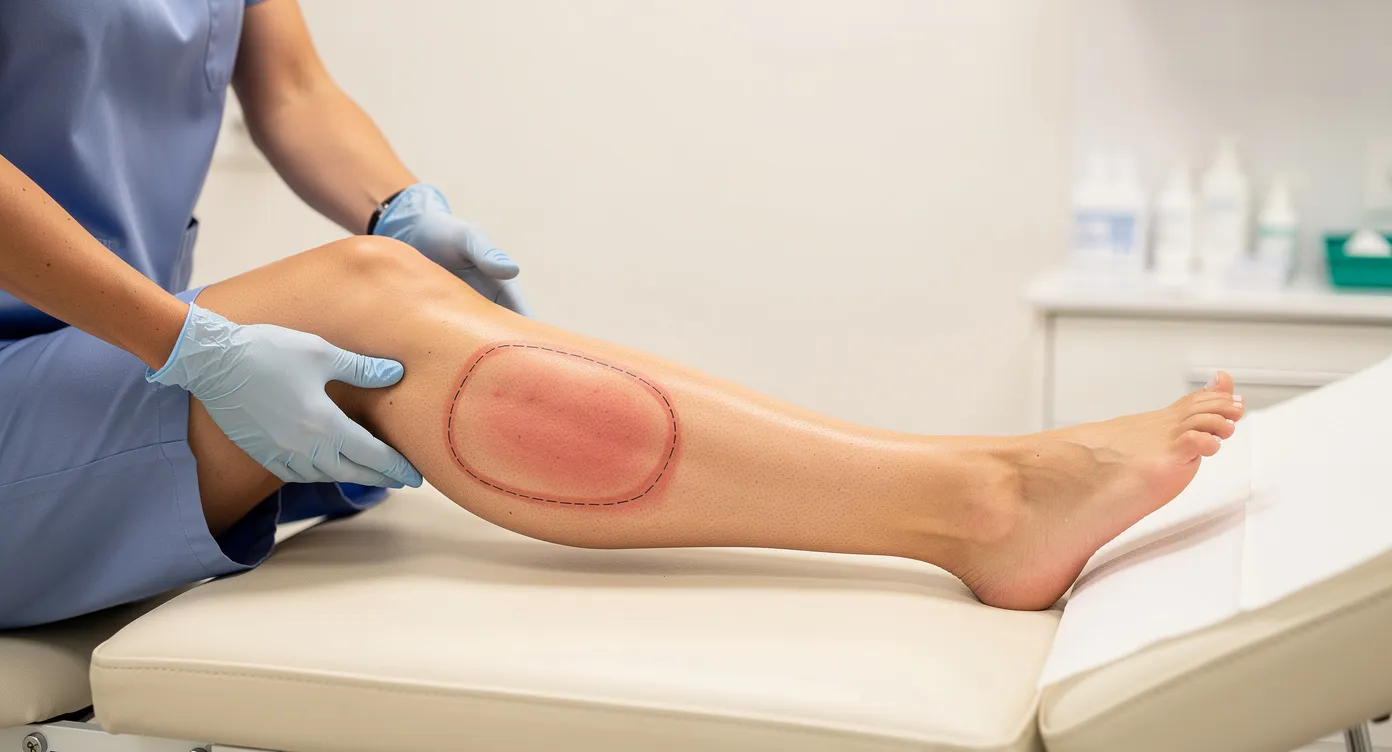
Even if you received prophylactic antibiotics, or if you didn't meet the criteria for them, it's important to monitor the bite area for the next 30 days. The classic early sign of Lyme disease is a gradually expanding red rash called erythema migrans, often described as a "bull's-eye" pattern. But here's the catch: the rash doesn't always look like a bull's-eye. It can appear as a uniform red patch, and in some people, it doesn't appear at all.
Other early symptoms of Lyme disease include fatigue, fever, headache, muscle aches, and joint pain. These can show up anywhere from 3 to 30 days after the bite and are easy to dismiss as a summer cold or general tiredness. If left untreated, Lyme disease can progress to more serious complications affecting the joints, heart, and nervous system. Facial palsy (weakness on one side of the face), heart palpitations, severe joint swelling, and neurological symptoms like numbness or tingling can develop weeks to months later.
If you develop chest pain, shortness of breath, severe headache with neck stiffness, or facial drooping after a tick bite, go to the nearest emergency department or call 911. These symptoms can indicate cardiac or neurological involvement that needs immediate evaluation.
Early-stage Lyme disease responds well to a full course of oral antibiotics, typically doxycycline or amoxicillin taken for 10 to 21 days as directed by your provider. The key is catching it early. If you notice any new symptoms in the weeks after a tick bite, don't wait them out. This is exactly the kind of concern that benefits from ongoing follow-up with a provider who knows your baseline health. At Care&, your dedicated Nurse Practitioner can track your symptoms over time and adjust your care plan if needed.
Worried about a tick bite? Your NP can assess the risk and discuss next steps.
Meet Our NPsPreventing Tick Bites in the First Place
Prevention doesn't have to be complicated. When you're heading into wooded or grassy areas, wear long pants tucked into your socks and light-coloured clothing so ticks are easier to spot. Apply an insect repellent containing DEET (20% to 30%) or icaridin to exposed skin. Permethrin-treated clothing is another effective option, especially for frequent hikers or cottage-goers.
After spending time outdoors, do a full-body tick check. Pay close attention to your scalp, behind your ears, armpits, groin, behind your knees, and around your waistband. Ticks are small. Nymphs (the juvenile stage most likely to transmit Lyme) are about the size of a poppy seed. Showering within two hours of coming indoors has been shown to reduce the chance of tick attachment. Toss your outdoor clothes in the dryer on high heat for at least 10 minutes to kill any hitchhikers. Check your pets too, as dogs and cats can carry ticks into the home.
When to See Your Nurse Practitioner
You should see your healthcare provider if you find an attached tick and aren't sure how to identify it or how long it's been there. You should also seek care if you develop a rash, fever, joint pain, or any unusual symptoms in the weeks following a tick bite. While you can go to a walk-in clinic or emergency department through OHIP, these settings often don't allow enough time for the detailed conversation that tick bite assessment requires. At Care& Family Health, your NP spends the time needed to evaluate the bite, help identify the tick, weigh the risks, and set up a follow-up plan. Care& isn't covered by OHIP, but the membership model gives you unlimited visits with the same Nurse Practitioner, which is especially valuable when you need monitoring over the weeks following a bite.
Frequently Asked Questions
Can you get Lyme disease from a tick bite in Toronto?
Yes. Blacklegged ticks have been found in several Toronto-area parks and ravines, and the risk has been increasing as tick populations expand northward. Not every tick in Toronto carries Lyme, but the possibility is real enough that any blacklegged tick bite in the region should be taken seriously and assessed by a healthcare provider.
How soon after a tick bite do Lyme disease symptoms appear?
Symptoms can appear as early as 3 days after the bite or as late as 30 days. The erythema migrans rash, when present, typically shows up between 3 and 14 days. Flu-like symptoms such as fatigue, fever, and muscle aches may appear around the same time. Monitor the bite site daily for a full month after the tick is removed.
I don't have a family doctor in Toronto. Where can I get a tick bite assessed?
If you're among the many Torontonians without a family doctor, Care& Family Health is an option worth considering. It's a Nurse Practitioner-led family practice with a clinic in Yorkville. The membership model (not covered by OHIP) gives you a dedicated NP for ongoing care, which is especially helpful for conditions like Lyme disease that benefit from follow-up and ongoing monitoring.
Ready to prioritize your health?
Book an appointment with our experienced Nurse Practitioners today.
Book AppointmentOr call us at (647) 951-4770