Normal Bite vs. Allergic Reaction: The Short Answer
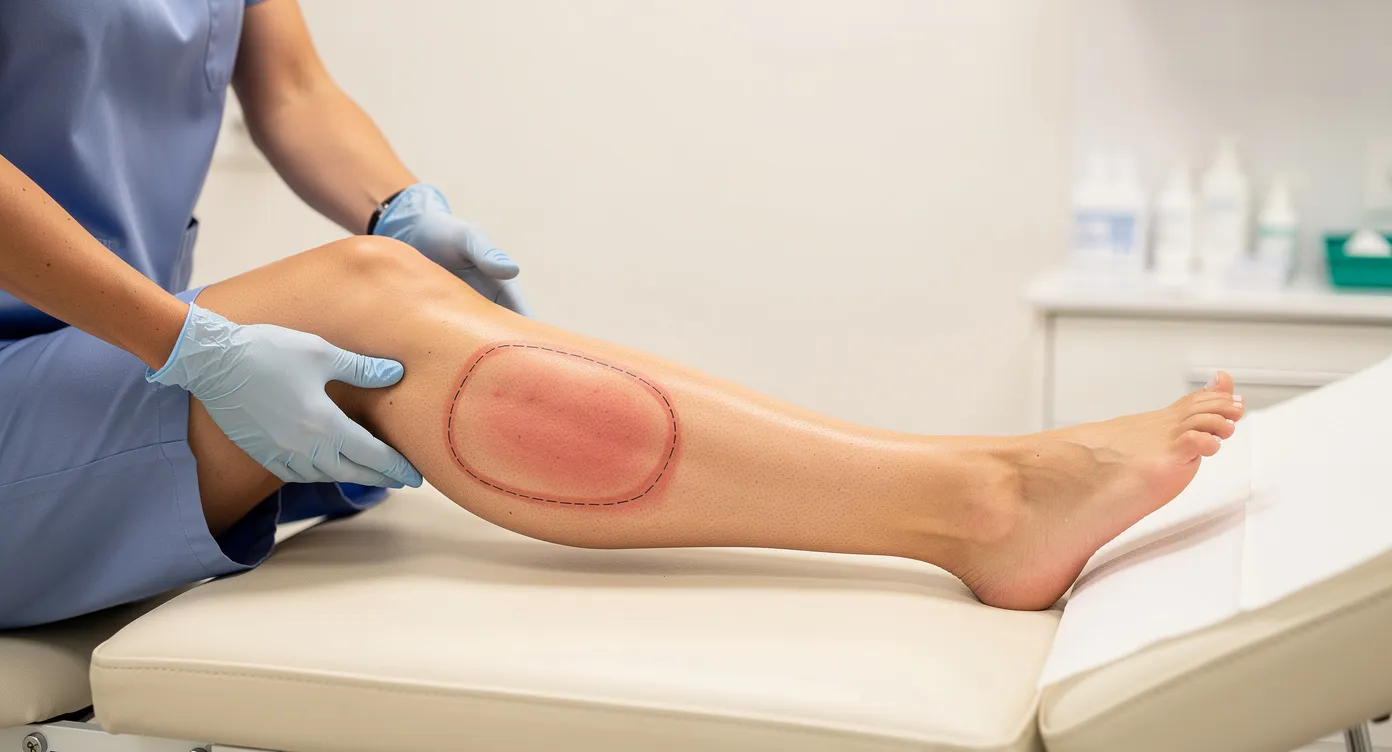
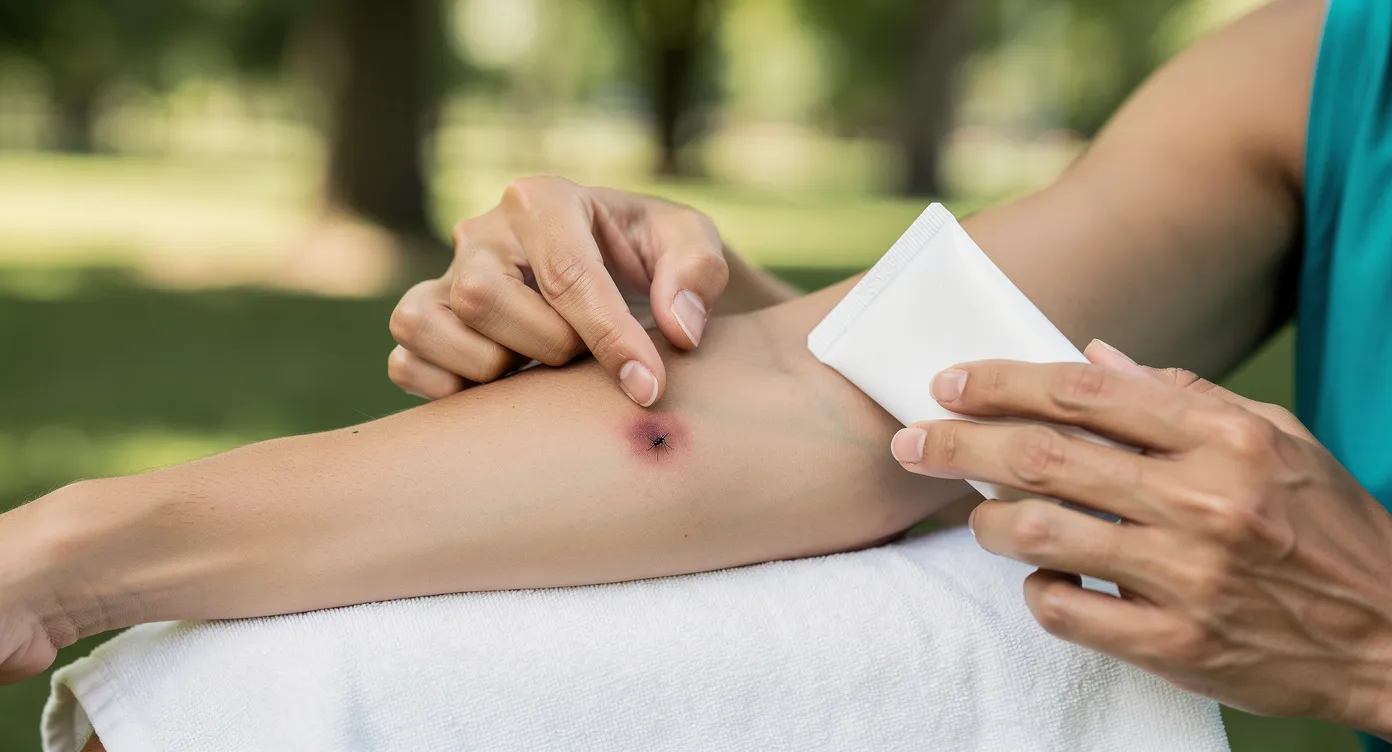
A typical mosquito or insect bite produces a small, itchy bump that peaks within a few hours and fades over a day or two. That's your immune system doing its job. An allergic reaction to a bug bite looks different. The swelling extends well beyond the bite site, sometimes covering an entire hand, foot, or limb. It can feel hot, tight, and genuinely painful rather than just itchy. This type of exaggerated local reaction is more common than most people realize, and while it's rarely dangerous on its own, it can be alarming enough to send you searching for answers at midnight.
The medical term you'll sometimes see is skeeter syndrome, which refers to a true allergic response to proteins in mosquito saliva. It's most common in young children, people new to a region's mosquito species, and anyone with a history of allergic conditions. The swelling can take 24 to 48 hours to peak and may not fully resolve for a week or more. If you or your child develops dramatic swelling from what seems like a routine mosquito bite, that's skeeter syndrome until proven otherwise.
What makes this tricky is that a large local reaction can look a lot like an infection. Both cause redness, swelling, and warmth. The next section walks through how to tell them apart, because the treatment is completely different.
Signs a Bug Bite Is Infected
Scratching is the main culprit. Every time you break the skin over a bite, you're opening a door for bacteria. An infected bug bite typically gets worse after the first 48 hours rather than better. The redness spreads outward from the original bite, the area becomes increasingly tender, and you may notice pus or cloudy fluid draining from the site. The hallmark warning sign is a red streak extending away from the bite toward the nearest lymph nodes. That streak suggests the infection is moving into the lymphatic system, and it needs prompt treatment.
Fever is another red flag. A simple allergic reaction to a bug bite doesn't cause a fever. If you're running a temperature above 38°C alongside a swollen, angry-looking bite, your body is likely fighting a bacterial infection. Swollen lymph nodes near the bite, increased pain rather than itching, and feeling generally unwell all point toward infection rather than allergy.
For families with young children, this distinction matters even more. Kids scratch aggressively, often without realizing it, and their bites get infected at higher rates. Pediatric care that includes a thorough assessment can help determine whether your child needs antibiotics or just better itch control. Pediatric management of insect bite reactions can differ from adult approaches, so it's always worth checking with a provider who knows your child's history.
When a Bug Bite Becomes a Medical Emergency
Most allergic reactions to bug bites stay local. But stinging insects like bees, wasps, and hornets can trigger a systemic allergic reaction called anaphylaxis. This is a whole-body response, not just swelling at the sting site. Signs include hives spreading across your body, swelling of the lips or throat, difficulty breathing, dizziness, a rapid pulse, and a feeling of impending doom. Anaphylaxis can progress quickly and is life-threatening.
If you experience hives, throat tightening, difficulty breathing, or dizziness after any insect sting, call 911 immediately. If you carry an epinephrine auto-injector (EpiPen), use it right away and then call 911. Do not wait to see if symptoms improve on their own. A previous mild reaction does not guarantee the next one will be mild.
If you've had a systemic reaction to an insect sting in the past, your Nurse Practitioner can help you develop an action plan. This typically includes carrying an EpiPen, wearing a medical alert bracelet, and possibly a referral to an allergist for venom immunotherapy. At Care& Family Health, your NP can assess your history, prescribe an epinephrine auto-injector, and make sure you know exactly how to use it. That kind of preparation is part of ongoing chronic disease management for anyone with a known insect allergy.
Treating Bug Bite Reactions at Home
For a standard allergic reaction to a bug bite with localized swelling, home care works well in most cases. Cold compresses for 10 to 15 minutes at a time help reduce swelling significantly. An over-the-counter oral antihistamine like cetirizine or diphenhydramine can calm the itch and reduce the allergic component. Topical hydrocortisone cream (1%) applied directly to the bite helps with redness and inflammation. The single most important thing you can do is stop scratching. Easier said than done, especially with kids. Keeping nails short and covering the bite with a bandage can help.
If the swelling is severe, your provider may prescribe a short course of oral corticosteroids to bring it under control faster. For bites that have become infected, antibiotics are typically needed. These decisions depend on what your healthcare provider sees when they examine the bite, which is why getting an assessment matters when things aren't improving.
If you're pregnant, breastfeeding, or planning a pregnancy, check with your provider before starting any new medication. Some antihistamines and corticosteroids are safer than others during pregnancy. If you take other medications, your provider can help you choose options that won't cause interactions.
Care& members get unlimited visits with the same Nurse Practitioner, so you can have a bite assessed and then follow up a few days later to make sure it's healing properly. No extra charge, no awkward re-explaining. Your NP already knows what it looked like last time. Learn more about how Care& works.
Concerned about a bite that's getting worse? Your NP can help.
Meet Our NPsWhen to See Your Nurse Practitioner
You should see your healthcare provider if the swelling from a bug bite keeps expanding after 48 hours, if you notice a red streak spreading away from the site, if the bite is draining pus, or if you develop a fever. Bites on the face or near the eyes also warrant a professional look, as do any bites in someone with a weakened immune system or diabetes.
If you're covered by OHIP, your family physician can assess a concerning bite. But if you're having trouble getting a timely appointment, or you don't currently have a family doctor, Care& Family Health offers an alternative. As an NP-led family practice, Care& provides thorough, unhurried appointments where your Nurse Practitioner can examine the bite, determine whether it's allergic or infected, and prescribe treatment on the spot. The clinic isn't covered by OHIP. Membership is $450+HST per year for unlimited visits, or $100 per visit if you prefer pay-per-use. You can see full details on the membership pricing page.
Frequently Asked Questions
How can I tell if my bug bite swelling is an allergy or an infection?
Timing is your best clue. Allergic swelling usually starts within hours of the bite, feels firm and warm, and gradually improves over several days. Infection typically worsens after day two or three, produces increasing pain rather than itch, and may involve pus, fever, or a red streak spreading from the bite. If you're unsure, it's always reasonable to have a provider take a look.
Can you develop a bug bite allergy later in life?
Yes. Allergic responses to insect bites and stings can appear at any age, even if you've never reacted before. Your immune system changes over time, and repeated exposure to certain insect proteins can sometimes trigger a new sensitization. Moving to a new area with different insect species can also cause reactions you didn't experience before.
I don't have a family doctor in Toronto. Where can I get a bug bite assessed?
Walk-in clinics can handle straightforward cases, but they rarely offer follow-up or continuity. Care& Family Health is an NP-led family practice with a clinic in Yorkville. You can book an appointment with a dedicated Nurse Practitioner who will manage your care from start to finish. Membership isn't covered by OHIP, but it gives you a consistent provider who actually knows your history. Helpful when something like a suspicious bite needs a second look a few days later.
Ready to prioritize your health?
Book an appointment with our experienced Nurse Practitioners today.
Book AppointmentOr call us at (647) 951-4770