What Swimmer's Ear Is and How to Treat It
Swimmer's ear, known clinically as otitis externa, is an infection of the outer ear canal. It's different from the middle ear infections common in young children. Instead, this one affects the skin-lined channel that runs from your outer ear to your eardrum. Bacteria (and occasionally fungi) thrive in warm, moist environments, which is why cases spike every summer across Toronto as people head to Cherry Beach, the Sunnyside pool, and cottage lakes north of the city.
The standard treatment for swimmer's ear is antibiotic ear drops prescribed by your healthcare provider. These drops typically contain a combination of an antibiotic and a corticosteroid to fight infection and reduce swelling. Most people notice improvement within 48 to 72 hours, and a full course usually runs about seven days. Over-the-counter pain relievers like acetaminophen or ibuprofen can help manage discomfort while the drops do their work. Oral antibiotics are only necessary in more severe cases or if infection has spread beyond the ear canal.
If you're pregnant, breastfeeding, or planning a pregnancy, check with your provider before starting any new medication. Some ear drop formulations may need to be adjusted. And if you take other medications, your provider can help you choose options that won't cause interactions.
How to Recognize Swimmer's Ear Symptoms
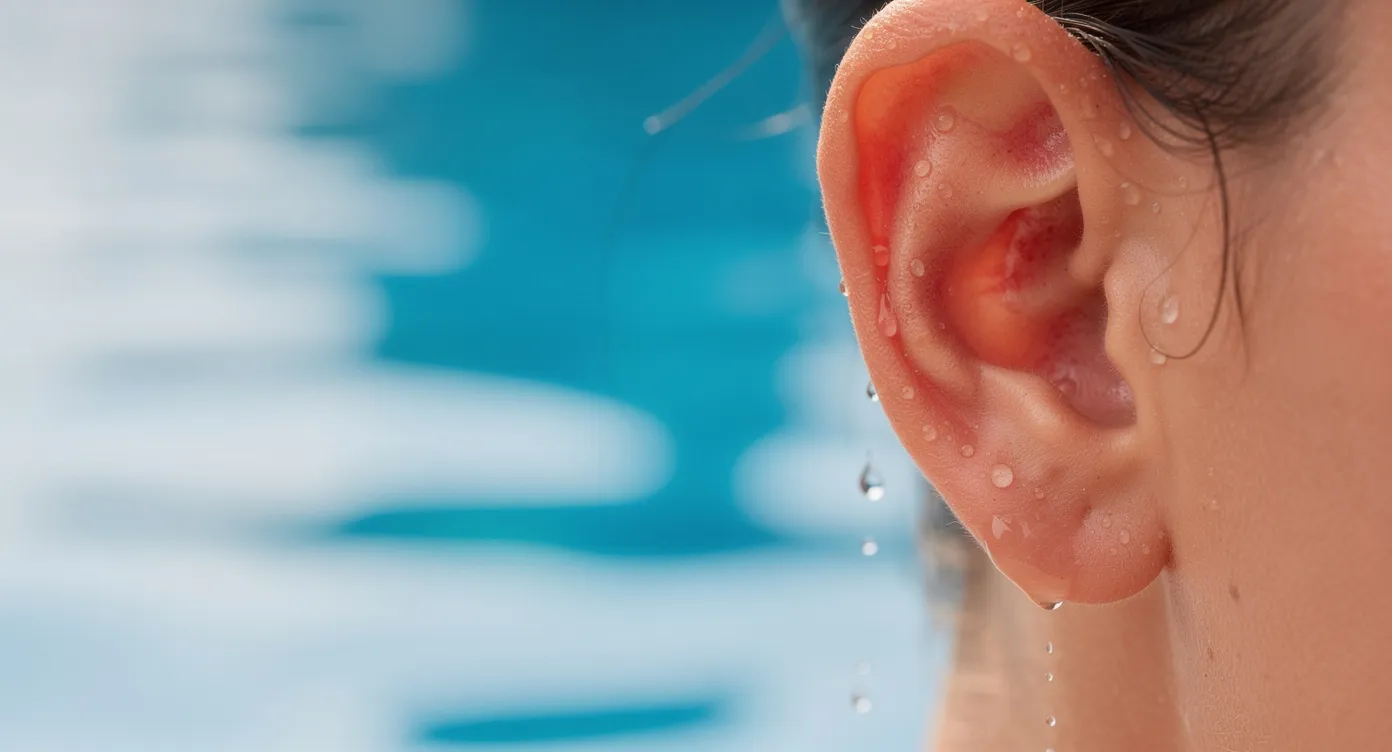
The earliest sign is usually itchiness inside the ear canal. It's easy to dismiss at first. Within a day or two, though, the itch progresses to genuine pain, especially when you pull on your outer ear, press on the small flap (tragus) at the front of the ear canal, or chew food. You might notice clear fluid draining from the ear, which can become thicker and yellowish as the infection develops.
More advanced symptoms include a feeling of fullness or blockage in the ear, muffled hearing, redness and swelling around the ear opening, and sometimes swollen lymph nodes along the jaw or neck. Fever is less common with uncomplicated swimmer's ear, but it can happen. The pain can be surprisingly intense for such a small area of the body.
Swimmer's Ear vs. Middle Ear Infection
One quick way to tell the difference at home is the "tug test." Gently pull your earlobe downward or press on the tragus. If that causes a noticeable spike in pain, swimmer's ear is the likely culprit. Middle ear infections (otitis media) usually don't hurt more with external pressure. They're more associated with congestion, recent colds, and pressure changes. Of course, a proper assessment from your Nurse Practitioner will give you a definitive answer. At Care&, your NP uses an otoscope to examine the canal and eardrum directly, which takes the guesswork out of the equation.
How to Prevent Swimmer's Ear This Summer
Prevention is surprisingly simple once you build a few habits into your summer routine. The goal is to keep your ear canals dry and to protect the thin skin lining inside them.
After swimming, tilt your head to each side and let water drain naturally. You can gently dry the outer ear with a towel, but avoid inserting cotton swabs. Cotton swabs push debris deeper and can scratch the canal lining, creating tiny openings for bacteria. If you're prone to recurring swimmer's ear, a homemade preventive solution of equal parts white vinegar and rubbing alcohol, dropped into each ear after swimming, can help dry residual water and restore the ear canal's natural acidity. Ask your provider before using this if you have a history of ear tubes, perforated eardrums, or active ear drainage.
Silicone earplugs designed for swimming are another solid option, particularly for kids who spend hours in the pool. Speaking of children, pediatric management of ear infections can differ from adults. Smaller ear canals are more prone to blockage, and dosing considerations are different. If your child is dealing with ear pain after swimming, it's worth having them assessed rather than guessing at home. Care& offers Pediatric Care with the same unhurried approach, so your NP can take the time to examine little ears properly.
Care& members get unlimited visits with their dedicated Nurse Practitioner as part of their annual membership. That means if your swimmer's ear isn't improving after a few days of treatment, you can follow up without worrying about extra costs or wait times at a walk-in. You'll see the same NP who started your care, which makes follow-up much more efficient.
Who Gets Swimmer's Ear Most Often
Despite the name, you don't have to be a swimmer. Frequent use of earbuds, hearing aids, or anything that traps moisture in the ear canal increases your risk. People with eczema or psoriasis that affects the ear canal skin are more susceptible, as are those with diabetes or compromised immune systems. If you have a chronic condition that affects healing or immunity, your provider at Care& can help you create a prevention plan through Chronic Disease Management that accounts for your specific risk profile.
Hot, humid weather makes things worse, which is why Toronto's July and August are peak season. Pools with improper chlorination and natural freshwater bodies both carry risk. Lake water, in particular, tends to harbour more bacteria than well-maintained pools. That doesn't mean you need to avoid the lake entirely. Just be mindful about drying your ears afterward.
Ear pain that's getting worse? Your NP can assess it and prescribe treatment.
Meet Our NPsWarning Signs That Need Urgent Attention
Go to the emergency department if you experience severe ear pain with high fever, swelling or redness spreading beyond the ear, facial weakness or drooping on the affected side, or significant hearing loss. These could indicate malignant (necrotizing) otitis externa, a serious complication that requires immediate medical attention. People with diabetes or weakened immune systems are at higher risk for this and should be especially vigilant.
For most people, swimmer's ear stays localized and responds well to topical treatment. But an infection that gets worse despite several days of ear drops, or one that keeps coming back throughout the summer, warrants a closer look. Your NP can evaluate whether there's an underlying issue, adjust your treatment, or refer you to an ear, nose, and throat specialist if needed.
When to See Your Nurse Practitioner
If you've had ear pain for more than a day after swimming, or if you notice drainage, increasing redness, or hearing changes, it's time to get assessed. While some mild cases do resolve on their own, prescription ear drops are the fastest and most reliable path to relief. Your NP at Care& can evaluate your ear, prescribe the right drops, and make sure nothing more complicated is going on. Care& Family Health isn't covered by OHIP, but the membership model means you won't be bouncing between walk-in clinics and seeing a different provider each time. You'll have a dedicated NP who knows your history, and unlimited visits to follow up if your symptoms don't resolve as expected. For something like swimmer's ear, that continuity really matters when the first treatment doesn't fully clear things up. You can learn more about how Family Practice works at Care& and whether it's the right fit for you.
Frequently Asked Questions
Can I swim with swimmer's ear?
It's best to stay out of the water until your symptoms have fully resolved and you've completed your course of ear drops. Swimming with an active infection can worsen symptoms, wash out medication, and introduce new bacteria. Most people can return to the pool within seven to ten days of starting treatment.
Are over-the-counter ear drops enough to treat swimmer's ear?
Over-the-counter drops designed to dry the ear canal (like those containing isopropyl alcohol and glycerin) can help with prevention and very mild discomfort. However, a true bacterial infection in the ear canal typically requires prescription antibiotic drops to clear. If your pain is moderate or getting worse, you'll likely need a prescription from your healthcare provider.
What if I don't have a family doctor in Toronto?
You're not alone. Over a million Ontarians are currently without a family healthcare provider. Care& Family Health offers a membership-based alternative where you're matched with a dedicated Nurse Practitioner for ongoing care. It's not covered by OHIP, but the membership includes unlimited visits. For something like swimmer's ear, having a consistent provider who can prescribe treatment and follow up if needed makes a real difference compared to repeated walk-in visits.
Ready to prioritize your health?
Book an appointment with our experienced Nurse Practitioners today.
Book AppointmentOr call us at (647) 951-4770