
In This Article
- Why Vitamin D Deficiency Is So Common in Toronto
- Does Sunscreen Really Block Vitamin D Production?
- How Much Sun Do You Actually Need for Vitamin D?
- Vitamin D Supplements: What You Need to Know
- Skin Cancer Prevention Without Sacrificing Vitamin D
- When to See Your Nurse Practitioner
- Frequently Asked Questions
Why Vitamin D Deficiency Is So Common in Toronto
Toronto sits at roughly 43 degrees north latitude, which means that from late October through early April, the sun's angle is too low for your skin to produce meaningful amounts of vitamin D. Even on a bright February afternoon, the UVB rays responsible for triggering vitamin D synthesis are mostly filtered out by the atmosphere before they reach you. By the time spring arrives, many Torontonians are running on fumes when it comes to their vitamin D stores.
Research from across Canada consistently shows that a significant portion of the population has insufficient vitamin D levels by the end of winter. Some estimates suggest that up to 40% of Canadians fall below optimal levels during the colder months. This isn't just a minor nutritional footnote. Vitamin D plays a critical role in bone health, immune function, mood regulation, and muscle strength. Low levels have been linked to increased susceptibility to respiratory infections, seasonal mood changes, and fatigue. If you've been feeling sluggish or run-down as winter fades, suboptimal vitamin D could be part of the picture.
The good news is that spring sunshine in Toronto does bring back the UVB wavelengths your body needs. By mid-May, the conditions for skin-based vitamin D production are genuinely favorable again. The question is how to take advantage of that without raising your risk of skin damage. And that's where the sunscreen debate gets interesting.
Does Sunscreen Really Block Vitamin D Production?
This is the heart of the dilemma for most people, and it's worth looking at closely. In a laboratory setting, yes, sunscreen does reduce the amount of UVB radiation that reaches your skin. An SPF 30 product filters about 97% of UVB rays. By that logic, it should slash your vitamin D production dramatically. But laboratory conditions and real life are very different things.
In practice, most people don't apply sunscreen perfectly. Studies on actual sunscreen use consistently show that people apply only about a quarter to a half of the recommended amount. They miss spots. They forget to reapply after two hours. They apply it after they've already been outside for a few minutes. All of these real-world habits mean that some UVB still reaches your skin, even on days when you're wearing sunscreen. Several large observational studies have found that regular sunscreen users don't actually have lower vitamin D levels than people who skip it entirely. The difference in real-world vitamin D production turns out to be surprisingly small.
"Regular sunscreen users don't actually have lower vitamin D levels than people who skip sunscreen. You don't have to choose between protecting your skin and getting enough vitamin D."
What this means for you is straightforward: wearing sunscreen is not a valid reason to worry about vitamin D deficiency. The two concerns exist on different tracks, and you can address both of them effectively. Your NP can help you sort through conflicting information online and build a plan that's grounded in evidence rather than fear.
How Much Sun Do You Actually Need for Vitamin D?
The answer depends on your skin tone, the time of day, and the season. During Toronto's spring and summer months (roughly May through September), most people with lighter skin tones can produce a meaningful amount of vitamin D with just 10 to 15 minutes of midday sun exposure on their forearms and face. If you have a darker skin tone, you may need two to three times that amount, because higher melanin levels naturally slow UVB absorption.
Factors That Affect Your Vitamin D Production
Time of day matters more than most people realize. UVB rays are strongest between 10 a.m. and 2 p.m. A 15-minute walk during your lunch break on a sunny May day provides far more vitamin D stimulus than an hour outside at 5 p.m. Cloud cover, smog, and even window glass all filter UVB as well. You won't produce vitamin D sitting by a sunny office window, because standard glass blocks UVB wavelengths almost entirely.
Age is another factor. As you get older, your skin becomes less efficient at synthesizing vitamin D. A 70-year-old produces about 25% of the vitamin D that a 20-year-old produces from the same sun exposure. Body weight plays a role too. Vitamin D is fat-soluble, which means it can get sequestered in fat tissue rather than circulating freely in your blood. People with higher body fat percentages sometimes need more vitamin D from all sources to maintain adequate blood levels.
The practical takeaway? Brief, casual sun exposure during your daily routine in spring and summer contributes to your vitamin D, but it's rarely enough on its own to fully correct a winter deficit. That's where food and supplements come in, which brings us to the next piece of the puzzle.
Vitamin D Supplements: What You Need to Know
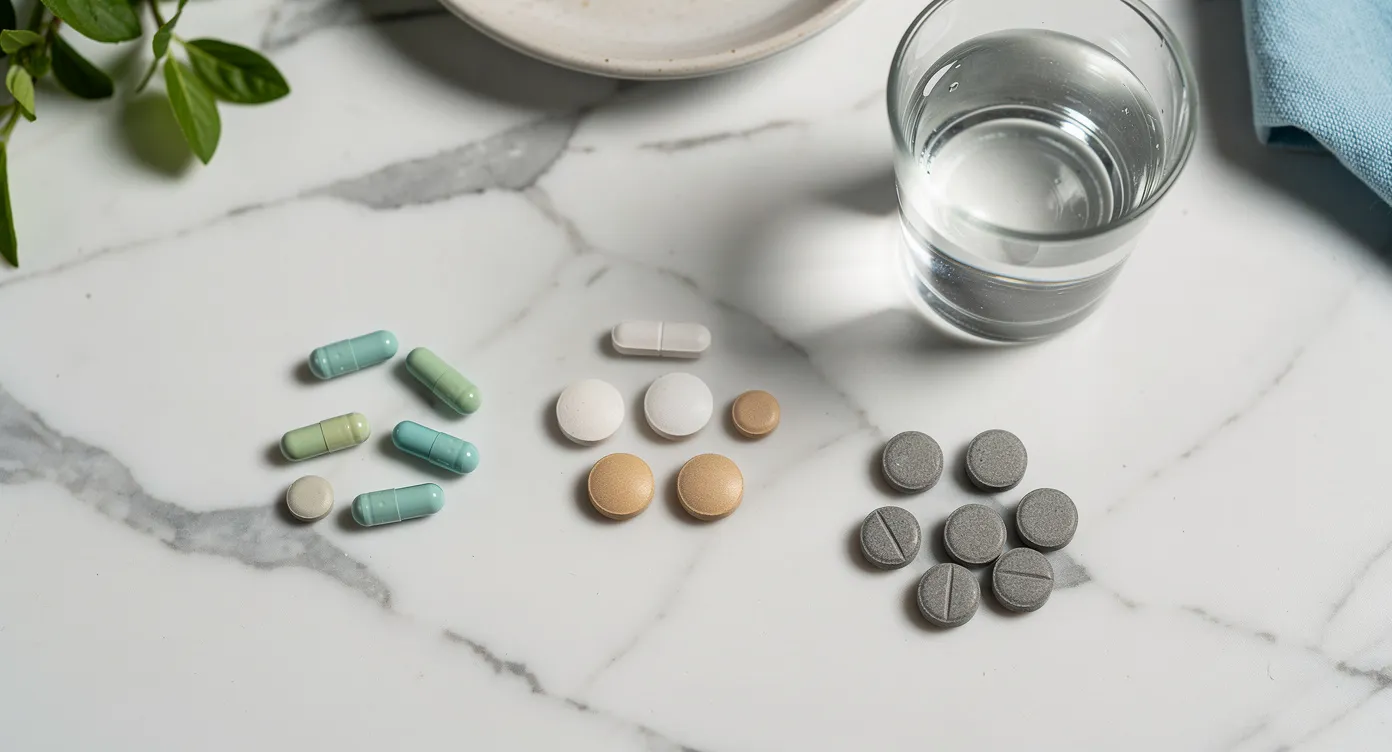
Health Canada recommends that adults aged 19 to 70 get 600 IU of vitamin D daily, and that adults over 70 aim for 800 IU. Many healthcare providers, including those at Care& Family Health, consider those numbers to be a minimum, especially for people living at northern latitudes. Your Nurse Practitioner may recommend a higher daily dose based on your blood levels, skin tone, diet, and lifestyle. Doses of 1,000 to 2,000 IU daily are common recommendations for Canadian adults, though some people with documented deficiency may need more for a period of time.
Vitamin D3 vs. D2
When you're shopping for supplements, look for vitamin D3 (cholecalciferol) rather than D2 (ergocalciferol). D3 is the form your skin naturally produces and is more effective at raising and maintaining your blood levels. It's available in tablets, softgels, drops, and even gummy formats. Taking it with a meal that contains some fat improves absorption, since vitamin D is fat-soluble.
Food sources of vitamin D are relatively limited. Fatty fish like salmon, mackerel, and sardines are the best natural sources. Egg yolks, fortified milk, and fortified orange juice contribute smaller amounts. In Canada, cow's milk and margarine are required by law to be fortified with vitamin D, which helps, but most people still can't reach adequate intake through food alone. Supplements fill a real and important gap for the majority of Canadians.
If you're pregnant, breastfeeding, or planning a pregnancy, check with your provider before starting any new supplement, as your vitamin D needs may be different and your NP can recommend the right dose for your situation. For children, pediatric dosing differs from adult recommendations, so it's best to consult a provider for guidance on children's supplementation.
Care& members can get their vitamin D levels checked with a simple blood test at our Yorkville clinic. On-premise lab work means you can have your blood drawn during your appointment and review the results with your same Nurse Practitioner, all without a separate trip to an outside lab.
Can You Take Too Much Vitamin D?
Yes, though it's uncommon at standard supplement doses. Vitamin D toxicity typically occurs when people take very high doses (above 10,000 IU daily) for extended periods without medical supervision. Symptoms can include nausea, vomiting, weakness, and in serious cases, kidney problems from elevated calcium levels. This is why getting your levels tested before mega-dosing is a smart move. A blood test gives you and your healthcare provider a clear starting point, so your supplement dose can be personalized rather than guesswork. If you take other medications, your provider can help you choose options that won't cause interactions.
Skin Cancer Prevention Without Sacrificing Vitamin D
Skin cancer rates in Canada have been rising for decades. Melanoma, the most dangerous form, is one of the most common cancers diagnosed in young adults. Non-melanoma skin cancers, including basal cell carcinoma and squamous cell carcinoma, are even more prevalent. The primary modifiable risk factor for all of these is cumulative UV exposure and history of sunburns, particularly blistering sunburns in childhood and adolescence.
Sunscreen is one of the most effective tools for reducing that risk. A broad-spectrum SPF 30 or higher, applied properly and reapplied every two hours (or after swimming or sweating), significantly lowers your lifetime UV dose. But sunscreen is only one part of a broader sun safety strategy. Wearing a wide-brimmed hat, seeking shade during peak UV hours, and wearing UV-protective clothing all make a meaningful difference. These measures protect your skin without affecting your vitamin D status at all, because you can supplement vitamin D easily. You can't supplement away UV-induced DNA damage.
If you notice a mole that has changed in size, shape, or colour, or a new skin lesion that bleeds, crusts, or doesn't heal within a few weeks, see a healthcare provider promptly. Melanoma is highly treatable when caught early but can become life-threatening if it progresses. If you experience a severe allergic reaction to sunscreen (difficulty breathing, widespread hives, or facial swelling), call 911 immediately. If you carry an epinephrine auto-injector (EpiPen), use it immediately and then call 911.
A Practical Spring and Summer Routine
Here's a balanced approach that dermatologists and primary care providers generally agree on. Apply sunscreen to your face, neck, and any exposed skin before heading out for extended periods. For brief incidental exposure, like a 10-to-15-minute walk, the small amount of UV you receive contributes to vitamin D without meaningfully increasing your cancer risk, especially if you're not burning. The key word is "not burning." A sunburn is never a worthwhile trade-off for vitamin D, because you can always take a supplement. You can't undo the DNA damage from a burn.
Take a daily vitamin D3 supplement, particularly from October through April when UVB-based production is essentially zero in Toronto. Continue through the summer if your levels have historically been low. Eat vitamin D-rich foods when you can. And get your levels checked annually so you know where you stand rather than guessing. This combination gives you the best of both worlds: strong sun protection and adequate vitamin D.
Annual check-ups with your own NP, every year.
See Membership PricingWhen to See Your Nurse Practitioner
Most people don't need to see a provider specifically for vitamin D concerns unless they have symptoms or risk factors that warrant testing. But there are several situations where a conversation with your NP is a good idea. If you've been experiencing persistent fatigue, bone pain, muscle weakness, or frequent infections, low vitamin D could be a contributing factor. If you have a darker skin tone, spend most of your time indoors, follow a vegan or restricted diet, or have a condition that affects fat absorption (like celiac disease or Crohn's disease), you're at higher risk for deficiency and should have your levels monitored.
Your provider can also help if you're unsure about the right supplement dose for your situation, or if you've been taking high-dose vitamin D and want to make sure your levels are in a safe range. A 25-hydroxyvitamin D blood test gives a clear, objective picture of your status.
If you have an OHIP-covered family doctor, they can certainly order this test for you. But if you're one of the many Torontonians without a family doctor, or if getting an appointment with your current provider takes weeks, Care& offers Family Practice with a dedicated NP who knows your history. The membership model (not covered by OHIP, starting at $450+HST per year) includes unlimited visits and on-premise lab work, so you can get tested, review results, and adjust your plan all in one relationship. You can also discuss vitamin D and sun safety through Virtual Care if you'd prefer a phone or video appointment.
Vitamin D deficiency can affect your mood and energy levels, which sometimes overlaps with seasonal depression symptoms. Care& also offers Mental Health Support so your NP can address both the physical and emotional sides of how you're feeling, all under one roof.
If you've noticed any suspicious skin changes alongside your sun safety concerns, bring those up at the same appointment. Your Nurse Practitioner can perform a skin assessment and refer you to a dermatologist if anything needs a closer look. Combining your vitamin D check and skin review into a single visit makes the most of your time and gives your provider a fuller picture of your health.
Frequently Asked Questions
Should I stop wearing sunscreen to boost my vitamin D levels?
No. The evidence consistently shows that real-world sunscreen use doesn't significantly lower vitamin D levels. You're better off wearing sunscreen as recommended and supplementing vitamin D separately. Deliberately skipping sun protection increases your skin cancer risk without providing a reliable vitamin D benefit.
What's the best vitamin D supplement dosage for adults in Canada?
Health Canada's baseline recommendation is 600 IU daily for adults up to age 70 and 800 IU for those over 70. Many providers recommend 1,000 to 2,000 IU daily for Canadian adults, given our northern latitude. However, the ideal dose for you depends on your blood levels, so testing is the best way to personalize it.
Can I get enough vitamin D from food alone?
It's very difficult. A serving of salmon provides roughly 400 to 600 IU, which is helpful but represents a large portion of most people's daily needs in a single food item. Fortified milk provides about 100 IU per cup. Most Canadians would need to eat an unrealistic amount of vitamin D-rich food daily to reach adequate levels without supplementation, especially during winter.
Do people with darker skin tones need more vitamin D?
Generally, yes. Higher melanin levels in darker skin reduce UVB absorption, which means less vitamin D is produced for the same amount of sun exposure. People with darker skin tones living in northern cities like Toronto are at particularly high risk for deficiency and often benefit from year-round supplementation and periodic blood level monitoring.
I'm new to Toronto and don't have a family doctor. Can I get my vitamin D tested?
Care& Family Health is a great option if you're looking for a family practice that doesn't require OHIP or a referral. The membership model gives you a dedicated Nurse Practitioner, on-site lab work, and ongoing care through the Care& app. You can visit the Membership Pricing page to see how it works. Your NP can order vitamin D testing and any other bloodwork you need during your first visit.
Ready to prioritize your health?
Book an appointment with our experienced Nurse Practitioners today.
Book AppointmentOr call us at (647) 951-4770