In This Article
What Your Gallbladder Actually Did
Your gallbladder was a small, pear-shaped organ tucked beneath your liver. Its primary role was storing bile, a digestive fluid your liver produces continuously. Between meals, bile collected in the gallbladder and became more concentrated. When you ate something fatty, the gallbladder contracted and released a concentrated burst of bile into your small intestine, helping your body break down and absorb dietary fats.
Without that organ, your liver still makes bile. It just has nowhere to store it. Instead of concentrated bursts timed to meals, bile now trickles steadily into your small intestine around the clock. Your body can still digest fat. It's simply less efficient at handling large amounts all at once, which is why your eating habits after surgery matter more than most people expect.
This continuous, unregulated bile flow is what drives most of the digestive symptoms people experience after cholecystectomy. Once you understand the mechanics, the management strategies start to make a lot more sense.
The First Few Weeks After Cholecystectomy
Gallbladder surgery recovery tends to move quickly on the surgical side. Most people who have laparoscopic cholecystectomy are back on their feet within a few days and return to regular activity within two weeks. The incisions heal, the soreness fades, and life resumes. But digestive recovery runs on its own timeline, and it's often slower than people expect.
During the first two to six weeks, loose stools and bloating are common, often accompanied by mild cramping. Many people notice an urgency after eating, especially with meals that contain moderate to high amounts of fat. Some experience nausea or a lingering sense of fullness that wasn't there before. These early symptoms reflect your body's response to the sudden shift in how bile reaches your intestine, and they're almost always temporary.
For most people, the worst of the digestive disruption settles within four to six weeks. If symptoms persist beyond that window, though, it's worth talking to someone who can take a closer look. At Care&, our Nurse Practitioners provide Family Practice care that includes the kind of thorough, ongoing follow-up many post-surgical patients miss out on.
That initial recovery period usually resolves well. The longer-term changes to digestion are what catch most people off guard.
How Digestion Changes Without a Gallbladder
The most noticeable long-term change is how your body processes fat. Before surgery, your gallbladder collected and concentrated bile, then released it on demand. That concentrated delivery was efficient. Now, bile drips into your intestine at a constant low level. When a high-fat meal arrives, there isn't enough concentrated bile to emulsify all that fat at once.
The result can be cramping and bloating, often followed by loose or greasy stools. This is sometimes called steatorrhea, and it's one of the most frequently reported gallbladder removal side effects. It's also the main reason fatty foods feel different to you now.
Bile Acid Diarrhea
For roughly one in four post-cholecystectomy patients, the problem isn't undigested fat but excess bile acids. Without the gallbladder to regulate flow, more bile acids can reach the colon than usual. These acids irritate the colon lining and draw water into the bowel, causing watery, urgent diarrhea. This condition is known as bile acid diarrhea or bile acid malabsorption.
If you're experiencing frequent watery diarrhea weeks or months after surgery, this may be the underlying cause. Your healthcare provider can evaluate the pattern and, if appropriate, recommend treatment with a bile acid sequestrant. If you take other medications, your provider can help you choose options that won't cause interactions.
Shifts in Bowel Habits
Beyond diarrhea, many people notice a broader change in bowel patterns after gallbladder removal. Meals that never caused problems before might now trigger urgency, particularly first thing in the morning. Some people find they need to think about bathroom access more than they used to. This can feel frustrating, but it typically improves over several months as your digestive system adjusts to the continuous bile flow.
"Your body doesn't need a gallbladder to digest food. It just needs time and a few dietary adjustments to find its new rhythm."
The encouraging part is that what you eat, and how you eat it, can make a meaningful difference while your body recalibrates.
A Post-Cholecystectomy Diet That Helps
There's no single gallbladder removal diet that works for everyone. Bodies respond differently, tolerances vary, and what triggers symptoms for one person might be completely fine for another. But there are general principles backed by years of clinical experience that help most people manage digestion without a gallbladder more comfortably.
What to Limit Initially
The main dietary trigger is fat, especially saturated and fried fats that need the most bile to break down. During the first four to eight weeks after surgery, most people feel noticeably better when they reduce their intake of:
- Fried foods like french fries, fried chicken, and doughnuts
- Full-fat dairy including cream, butter, aged cheese, and ice cream
- Fatty cuts of red meat and processed meats like sausages
- Pastries, croissants, and baked goods high in butter
- Rich cream-based sauces and gravies
- Very spicy foods, which can independently irritate the digestive tract
This isn't a permanent restriction for most people. Gradual reintroduction usually works well over the following weeks and months. The key is giving your digestive system time to adapt before testing its limits.
What Tends to Help
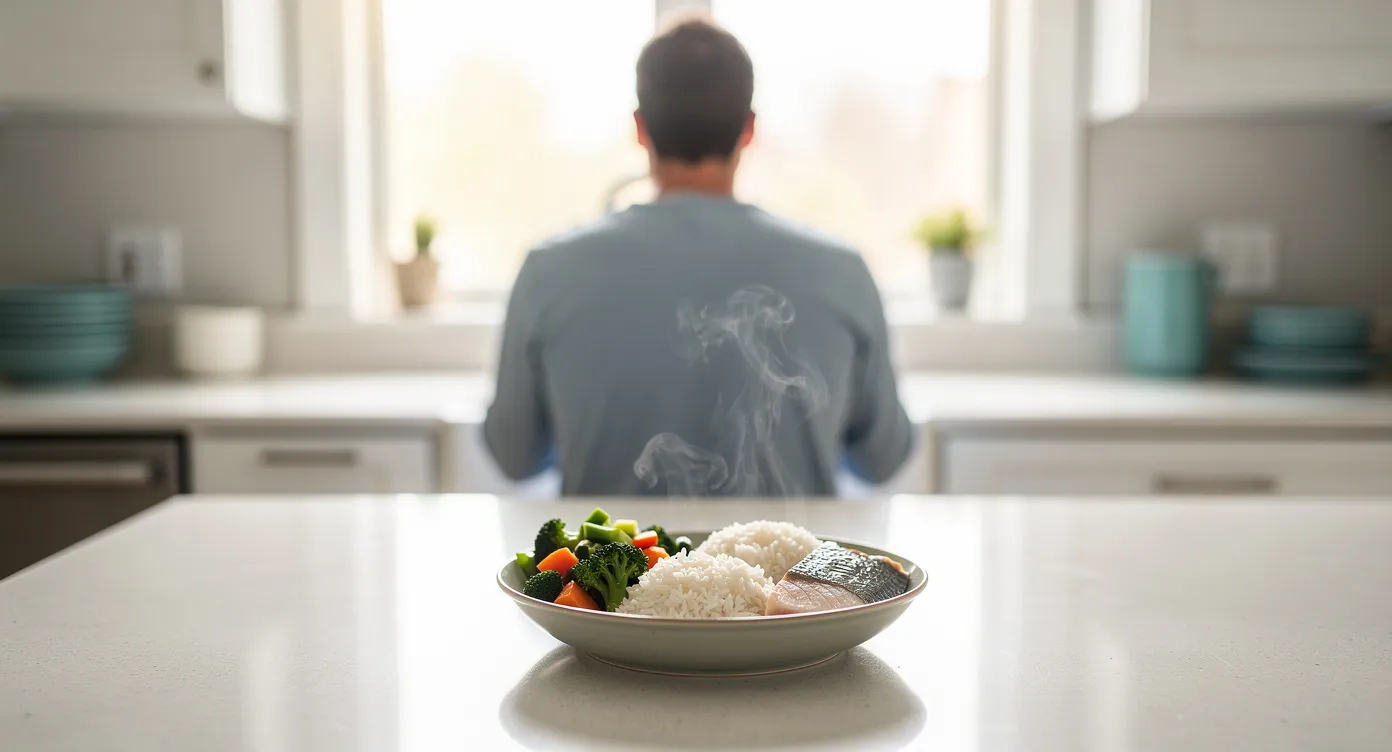
Smaller, more frequent meals are generally easier on your system than three large ones. This lets the steady trickle of bile keep pace with the fat coming through. Lean proteins like chicken, fish, and legumes are typically well tolerated. Whole grains, fruits, and vegetables provide fibre and nutrients without overloading your bile supply. Moderate amounts of healthy fats from olive oil or avocado are usually manageable too.
Soluble fibre deserves special attention. Foods like oats, bananas, sweet potatoes, and barley can help absorb excess bile acids in the intestine, which may reduce diarrhea after gallbladder removal. Increase fibre gradually, though. Too much too fast creates its own bloating and gas problems.
Keeping a Food Diary
One of the most practical steps you can take is tracking what you eat alongside how you feel afterward. Patterns emerge quickly. You might discover that pizza is a reliable trigger but a moderate drizzle of olive oil on pasta sits fine. Or that dairy is the real problem, not fat in general. A food diary gives you actionable data instead of guesswork. It also gives your provider something concrete to review when you discuss your symptoms together.
Care& members get unlimited visits with the same Nurse Practitioner, which means you can check in as often as you need while adjusting your post-cholecystectomy diet and tracking your symptoms. There's no pressure to save everything for a single appointment.
If you're pregnant, breastfeeding, or planning a pregnancy, talk with your provider before starting any new medication or supplement for post-surgical digestive symptoms. Dietary changes are generally safe, but some medications used for bile acid diarrhea may need adjustment. For children who've had gallbladder surgery (it's less common, but it does happen), dietary management may differ by age. Care& offers Pediatric Care for families in Toronto who need guidance tailored to their child.
Still adjusting after gallbladder surgery? Your NP can help.
Meet Our NPsLong-Term Side Effects Worth Knowing About
Most people adjust well to living without a gallbladder. Within six months to a year, many find they can eat a wider range of foods with minimal symptoms. But a meaningful number of people experience ongoing issues that extend well beyond the initial adjustment period. Knowing what to watch for helps you get the right support at the right time.
Postcholecystectomy Syndrome
This is the clinical term for persistent or recurring digestive symptoms after gallbladder removal. It can include upper abdominal pain, nausea, bloating, and ongoing diarrhea. The causes vary. In some cases it's bile acid malabsorption. In others, it's a retained stone in the common bile duct or a sphincter of Oddi dysfunction. Occasionally, the symptoms stem from a separate condition that was present before surgery but obscured by gallbladder pain.
If you're still dealing with significant symptoms several months after surgery, don't assume this is just your new reality. Your NP can assess your symptoms, order appropriate investigations, and refer you to a gastroenterologist if needed. At Care& Family Health, Chronic Disease Management includes exactly this kind of sustained follow-up for patients with ongoing digestive concerns.
Weight and Metabolism
Some people gain weight after gallbladder removal, partly because the foods that previously triggered painful attacks are no longer off-limits. Others lose weight initially because they're cautious about fat intake. Neither shift is inherently worrying on its own, but a significant change in either direction is worth discussing with your provider. Routine check-ins help catch trends early, before they become harder to manage.
Connection to Other Digestive Conditions
Medical research points to a modest association between gallbladder removal and an increased risk of gastroesophageal reflux disease (GERD). The continuous flow of bile may contribute to reflux symptoms in some people, particularly bile reflux into the stomach. If you develop new heartburn or acid reflux after your surgery, mention it to your healthcare provider. Treatment options exist that can bring real relief.
If you experience severe abdominal pain, persistent vomiting, yellowing of the skin or eyes (jaundice), fever with chills, or dark urine paired with pale stools in the weeks or months after gallbladder surgery, go to the nearest emergency department or call 911. These symptoms can indicate a retained bile duct stone, infection, or bile leak, all of which require urgent evaluation.
The Care& app gives you real-time access to your health records, including lab results, visit notes, and referral tracking. If your NP orders bloodwork or imaging to investigate ongoing symptoms, you can view the results as soon as they're available through app.careand.ca.
When to See Your Nurse Practitioner
Living without a gallbladder doesn't require constant medical attention, but it does benefit from consistent follow-up during the adjustment period. There are several situations where checking in with your provider makes a clear difference.
You should book an appointment if your diarrhea hasn't improved after six to eight weeks, if you're losing weight unintentionally, if abdominal pain persists or returns after it initially resolved, or if you're developing new symptoms like reflux or nausea that weren't there before. These can all be evaluated and addressed. They just shouldn't be ignored.
If you have an OHIP-covered family doctor, they're a great resource for this kind of follow-up. But many people in Toronto don't have a family doctor at all, and even those who do often struggle to get timely appointments for issues that feel chronic rather than urgent. That's where Care& fits. Our Nurse Practitioners offer unrushed appointments where you can review your symptoms, go over your food diary, and build a plan together. You'll see the same NP each time, which means they'll already know your surgical history, your dietary triggers, and what's been tried before. You can learn more about how Care& works or review Membership Pricing on our website.
Care& isn't covered by OHIP. It's a membership-based practice at $450+HST per year for unlimited visits, or $100 per visit on a pay-per-use basis. For patients managing an ongoing post-surgical adjustment, the ability to check in whenever something changes can be genuinely valuable.
Frequently Asked Questions
Can I ever eat fatty foods again after gallbladder removal?
Most people can gradually reintroduce fatty foods within a few months of surgery. The key is starting with small portions and increasing slowly while paying attention to how your body responds. Everyone's tolerance is different. A food diary can help you pinpoint your specific limits over time.
How long does diarrhea last after gallbladder surgery?
For most people, post-surgical diarrhea improves within four to six weeks. If it persists beyond two to three months, it may indicate bile acid diarrhea, which your provider can evaluate and treat. Soluble fibre and smaller, more frequent meals often help manage symptoms during the adjustment period.
Do I need to take supplements after gallbladder removal?
Most people don't need specific supplements. However, if you're eating significantly less fat to manage symptoms, you might absorb less of the fat-soluble vitamins (A, D, E, and K). Your provider can check your levels with routine bloodwork and recommend supplementation if a deficiency shows up.
Is weight gain common after gallbladder removal?
Weight gain can happen after cholecystectomy, though it isn't inevitable. Some people eat more freely once the painful gallbladder attacks stop, which can lead to gradual weight increase. Paying attention to portion sizes, choosing balanced meals, and staying active are the most effective strategies for maintaining a stable weight long-term.
What if I don't have a family doctor in Toronto to follow up with?
You're not alone. Many Toronto residents are without a family doctor, which makes post-surgical follow-up harder to access than it should be. Care& Family Health is a Nurse Practitioner-led practice with a clinic in Yorkville, Toronto. Membership includes unlimited visits with a dedicated NP who can help you manage ongoing digestive symptoms, track your progress, and coordinate specialist referrals if needed.
Ready to prioritize your health?
Book an appointment with our experienced Nurse Practitioners today.
Book AppointmentOr call us at (647) 951-4770