In This Article
West Nile Virus in Ontario: The Real Risk
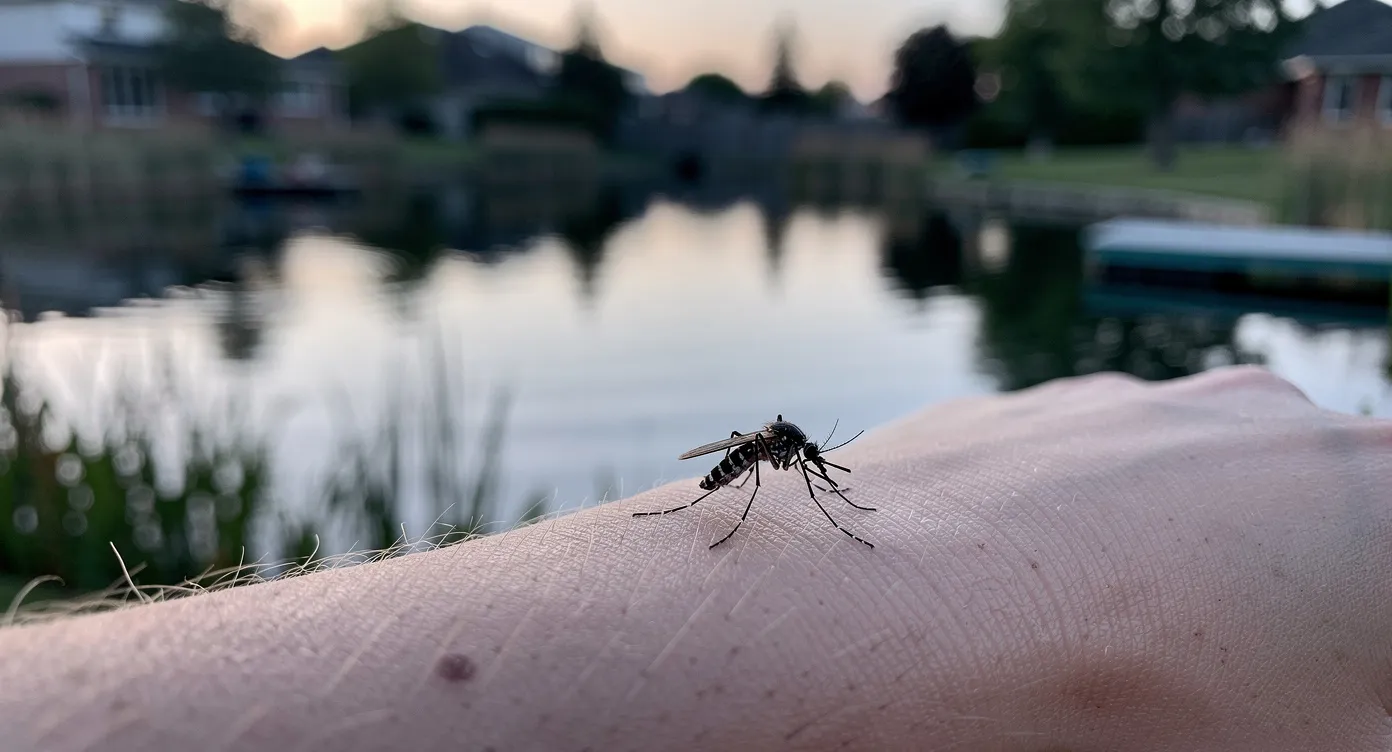
West Nile virus has been part of Ontario's summer picture since 2001, when the first infected birds were found in the province. It spreads through the bite of a mosquito that has already fed on an infected bird, most often the Culex species that becomes more active in late summer. That's why public health units across the Greater Toronto Area ramp up their surveillance in July and August, testing mosquito pools and posting positive results as the season peaks. If you've noticed more warnings this time of year, that's the reason.
The reassuring part is that the odds are firmly in your favour. About 70 to 80 percent of people who get infected with West Nile never develop any symptoms at all. Of those who do, most experience a mild, flu-like illness that passes on its own. Serious neurological disease, the kind that makes headlines, occurs in fewer than one in a hundred infected people. Age and underlying health conditions raise that risk, so adults over 50 and people with weakened immune systems warrant more caution.
None of this means you should shrug off every bite. It means the goal is perspective. A single mosquito bite in a Toronto backyard is very unlikely to make you sick, but understanding how the virus behaves helps you recognize the rare moments that call for a closer look from a healthcare provider.
What a Normal Mosquito Bite Reaction Looks Like
When a mosquito bites, it injects a small amount of saliva to keep your blood flowing while it feeds. Your immune system reacts to the proteins in that saliva, and the result is the familiar itchy welt. A typical reaction shows up within minutes to hours as a raised, round, pink or red bump. It itches, sometimes intensely, and it usually settles down over three to seven days.
Some people react more strongly than others, and that's completely normal. Children, and anyone bitten by a mosquito species their body hasn't encountered before, can develop larger welts, firm swelling, or even small blisters. This exaggerated local reaction is sometimes called skeeter syndrome, and while it looks dramatic, it isn't dangerous and it isn't an infection. It's simply a more vigorous version of the same allergic response.
The key features of a normal reaction are that it stays roughly the same size or slowly shrinks, the itching fades over days, and you feel fine otherwise. No fever, no spreading redness that keeps advancing hour by hour, no worsening pain. If your bite is following that gentle downward curve, it's doing exactly what it should.
Soothing a Normal Bite at Home
For an ordinary itchy bite, cool compresses, an over-the-counter antihistamine, and a hydrocortisone cream usually bring relief. Try not to scratch, since broken skin is the doorway that lets bacteria in and turns a harmless welt into something that does need attention. If you're pregnant, breastfeeding, or planning a pregnancy, check with your provider before starting any new medication, even a topical one. For young children, dosing and product choice differ, so pediatric management is worth a quick conversation with a provider rather than guessing.
Signs a Mosquito Bite Might Be Infected
Here's where the picture changes. A West Nile infection comes from the mosquito. A skin infection comes from bacteria that get in afterward, usually through scratching. The two are entirely separate problems, and the local skin infection is far more common. When ordinary skin bacteria like Staph or Strep enter a broken bite, the result can be cellulitis, an infection of the deeper layers of skin.
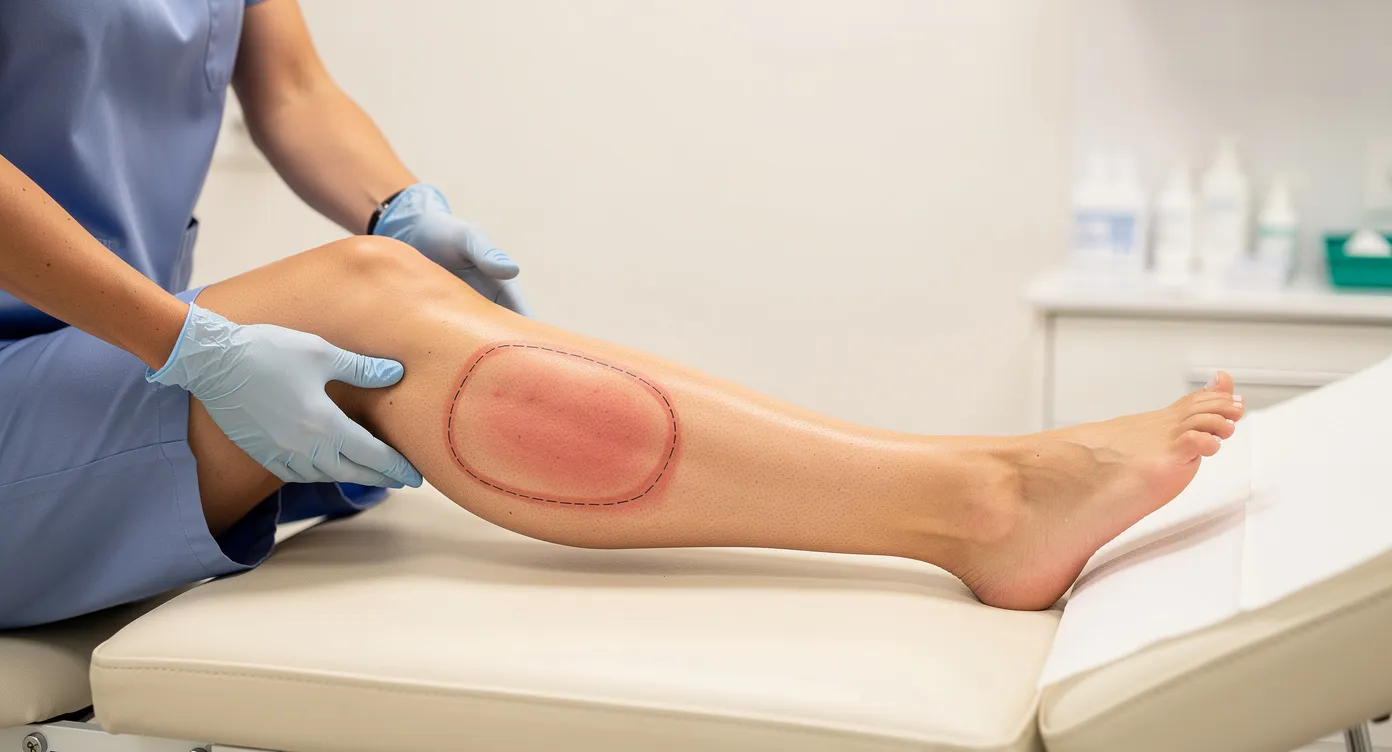
The warning signs of an infected mosquito bite are different from a normal reaction in a few telling ways. Instead of fading, the redness expands, often with a warm, tender area that grows over hours rather than shrinking over days. The skin may feel hot to the touch. You might see pus or yellow drainage, or notice a red streak leading away from the bite toward your body. Pain that intensifies rather than eases is another red flag. A fever alongside these skin changes suggests the infection is spreading and needs prompt evaluation.
A helpful habit is to draw a line around the edge of the redness with a pen and check it a few hours later. If the redness has clearly pushed past your mark, that's expansion worth having assessed. Cellulitis usually responds well to oral antibiotics, but it needs a provider to confirm the diagnosis and choose the right treatment. If you take other medications, your provider can help you choose options that won't cause interactions.
At Care&, a suspicious bite can be assessed in an unrushed visit, and if your Nurse Practitioner needs blood work, it can be drawn on-site at our Yorkville clinic. Results flow straight into the Care& app so you can follow along, and if you need a prescription, one-click refills mean you're not chasing paperwork while you're trying to heal.
West Nile Symptoms to Watch For
Because most West Nile infections cause no symptoms, the ones that do can be easy to dismiss. When symptoms appear, they typically show up two to fourteen days after the bite. The mild form, sometimes called West Nile fever, feels much like a summer flu. Fever, headache, body aches, fatigue, and occasionally a rash on the chest, stomach, or back. Some people also notice swollen lymph nodes or mild nausea. This version usually resolves on its own, though the tiredness can linger for weeks.
The rare but serious form affects the nervous system, and its symptoms are distinct enough that they deserve immediate attention. A high fever paired with a severe headache, a stiff neck, confusion or disorientation, muscle weakness, tremors, vision changes, or seizures can signal West Nile affecting the brain or spinal cord. These are not symptoms to monitor at home. They warrant emergency care right away.
"The vast majority of mosquito bites need nothing but patience and a cool compress. The skill is in recognizing the small handful that need more."
The tricky reality is that a summer flu and mild West Nile can look identical, and there's no way to tell them apart by symptoms alone. For most healthy adults with mild symptoms, the management is the same either way, which is rest, fluids, and time. What changes the calculation is your risk profile. If you're over 50, immunocompromised, or living with a chronic condition, a flu-like illness after mosquito exposure is worth reviewing with your provider. Ongoing conditions like diabetes can also affect how your body handles infection, which is one reason coordinated Chronic Disease Management matters during mosquito season.
How to Prevent Mosquito Bites
Prevention is genuinely the most effective tool you have, since there's no vaccine for West Nile and no specific antiviral treatment. The mosquitoes that carry the virus are most active from dusk to dawn, so timing your outdoor activities and protecting yourself during those hours makes a real difference. When you're out at a Toronto patio or walking the trails in the evening, a few habits go a long way.
An effective insect repellent is your first line of defence. Health Canada registered products containing DEET or icaridin are well studied and work reliably when applied as directed on the label. Reapply according to the instructions, and if you're using both sunscreen and repellent, put the sunscreen on first. For the fuller list of practical steps, here's what tends to help most:
- Wear light-coloured, loose, long-sleeved clothing and long pants during peak mosquito hours
- Apply a Health Canada approved repellent with DEET or icaridin to exposed skin
- Repair torn window and door screens so mosquitoes stay outside
- Empty standing water from flowerpots, gutters, birdbaths, and kiddie pools at least weekly
- Avoid heavily scented lotions and perfumes, which can attract mosquitoes
That last point about standing water is quietly one of the most important. Mosquitoes can breed in as little as a bottle cap's worth of water, so a weekly walk around your yard to tip out anything holding rain removes the nurseries before the next generation hatches. For children, repellent choices and concentrations differ by age, so check the label carefully or ask a provider who handles Pediatric Care if you're unsure what's safe for your family.
Concerned about your symptoms? Your NP can help.
Meet Our NPsGo to the nearest emergency department or call 911 if you develop a high fever with a severe headache, a stiff neck, confusion, sudden muscle weakness, seizures, or vision changes after mosquito exposure. These can signal serious neurological illness and need urgent attention. If a bite triggers signs of a severe allergic reaction such as difficulty breathing, swelling of the lips or throat, or dizziness, and you carry an epinephrine auto-injector (EpiPen), use it immediately and then call 911.
When to See Your Nurse Practitioner
Short of the emergency signs above, plenty of bite situations sit in a middle zone where a professional set of eyes brings real peace of mind. Book a visit if a bite is expanding with warmth and tenderness, if you see pus or a red streak, if you develop a fever after being bitten, or if flu-like symptoms show up in the days that follow and you're in a higher-risk group. A Nurse Practitioner can examine the area, distinguish a normal reaction from cellulitis, order blood work when it's warranted, and start treatment if you need it.
If you have a family doctor through OHIP, that's a perfectly good place to start, and we'd never suggest otherwise. The challenge many Torontonians run into is timing. Getting a quick appointment for something like a worsening bite can mean a long wait or a crowded walk-in clinic where you see whoever is available. Care& is built for the people who fall into that gap. Our Family Practice gives you appointments that start on time with a dedicated provider who knows your history, whether you don't have a family doctor, can't get in when you need to, or simply want an unrushed visit where your questions actually get answered.
Care& is an appointment-based clinic, not a walk-in, and it operates on a membership model that isn't covered by OHIP. Members get unlimited in-person, phone, and video visits, on-site lab work, and real-time records through the Care& app. You can see exactly how the model works on our How It Works page, and the details of what's included are laid out on our Membership Pricing page. For a worrying bite in the middle of August, that means a real conversation with a Nurse Practitioner instead of a long wait among strangers.
Frequently Asked Questions
How can I tell if a mosquito bite is infected or just a bad reaction?
A normal reaction, even a large itchy one, tends to stay stable or shrink over several days. An infection usually spreads, with redness and warmth that expand over hours, increasing pain, possible pus, and sometimes a fever. Drawing a pen line around the redness and checking it a few hours later is a simple way to see whether it's advancing.
What are the first symptoms of West Nile virus?
When symptoms appear, and most of the time they don't, they usually start two to fourteen days after the bite. The mild form resembles a summer flu with fever, headache, body aches, fatigue, and sometimes a rash. Severe symptoms like a stiff neck, confusion, or muscle weakness are rare and need emergency care immediately.
Do all mosquitoes in Ontario carry West Nile virus?
No. Only a small fraction of mosquitoes carry the virus, and a mosquito can only pass it on after biting an infected bird first. The Culex species that spreads it becomes more active in late summer, which is why risk peaks in August and early September. Any single bite carries very low odds of infection.
Is there a treatment or vaccine for West Nile virus?
There's no vaccine for humans and no specific antiviral medication. Mild cases are managed with rest, fluids, and time, while severe neurological cases require hospital care for supportive treatment. Because there's no cure, preventing bites with repellent, protective clothing, and removing standing water is the most reliable protection.
I don't have a family doctor in Toronto. Where can I get a worrying bite checked?
Many people in Toronto are without a family doctor, and a spreading or feverish bite shouldn't have to wait. Care& is an NP-led clinic where you can book an unrushed appointment with a dedicated Nurse Practitioner who reviews the bite, orders on-site lab work if needed, and starts treatment when appropriate. It runs on a membership model that isn't covered by OHIP, and it's designed for people who want timely, thorough visits with a provider who remembers them next time.
Ready to prioritize your health?
Book an appointment with our experienced Nurse Practitioners today.
Book AppointmentOr call us at (647) 951-4770