In This Article
- Why Does Everyone Get Sick in the Fall?
- Daycare Illness: Why Young Kids Catch Everything
- Why Parents Keep Getting Sick Too
- Back-to-Back Colds or One Illness That Won't Quit?
- Signs of a Weak Immune System: When It's Not Normal
- How to Break the Cycle at Home
- When to See Your Nurse Practitioner
- Frequently Asked Questions
Why Does Everyone Get Sick in the Fall?
The timing isn't a coincidence. Within a couple of weeks of kids heading back to school and daycare, cold viruses surge across the city. Health researchers have tracked this pattern for decades, and it's sometimes called the "September spike." Thousands of children who spent the summer in small, separate groups suddenly share classrooms, toys and water fountains. Whatever one child carries in on Monday can reach half the class by Friday.
Toronto's weather adds to the effect. As the days cool, life moves indoors. Windows close, the heat comes on, and we spend more time in crowded spaces like streetcars, subway cars and office elevators. Cooler, drier air also appears to help many respiratory viruses survive longer and may make the lining of your nose a little less effective at trapping them.
The other piece of the puzzle is sheer variety. More than 200 different viruses can cause what we call the common cold, and rhinovirus alone has over 100 types. Getting over one gives you little protection against the next. Later in the season, influenza, COVID-19 and RSV join the mix. So when your family seems to catch "the same cold" again and again, you're usually catching a series of different ones.
At Care&, this is one of the most common concerns we hear from parents between September and March. And in most homes, the story starts with the youngest family members.
Daycare Illness: Why Young Kids Catch Everything
Healthy young children typically get somewhere between six and ten colds a year, and often more during their first year in daycare. That's not a sign of weakness. Their immune systems are meeting most of these viruses for the very first time and building a library of defences as they go. Toddlers also touch everything, put their hands in their mouths constantly, and treat a sleeve as a perfectly good tissue.
Now do the math. A typical cold lasts seven to ten days, and a child's cough can hang on for two to three weeks after that. If your child picks up eight colds during a cold season that runs roughly from September to April, the illnesses start to overlap. From the outside, it looks like one endless infection. In reality, it's a relay race of separate viruses.
There's genuinely good news here, though. Children who get lots of these infections early in life often get fewer of them once they start school, because they've already built up immunity to many common viruses. The hard years tend to be the first year or two of group care. It does get better.
A Note on Children's Care
Children aren't small adults, and the way their illnesses are assessed and managed can differ in important ways. Fever thresholds, medication choices and warning signs all vary by age. For anything involving your child's health, talk with a healthcare provider who cares for children and follow their guidance.
Why Parents Keep Getting Sick Too
Most healthy adults catch two to four colds a year. Parents of young children regularly blow past that number, and it makes sense once you think about what your days look like. You're wiping noses, sharing food, sleeping next to a feverish toddler and kissing foreheads. There's no way to keep your distance from someone you're caring for around the clock.
Sleep plays a bigger role than most people realize. Research consistently links short or broken sleep with a higher chance of catching a cold after exposure. If you're up two or three times a night with a coughing child, your own defences take a hit. Chronic stress works in a similar way, and fall is rarely a low-stress season for families juggling school schedules, work deadlines and sick days.
If you're an adult who feels like you're getting sick every two weeks even without little ones at home, the causes can look a bit different. We explore those in our article on why adults get sick every two weeks and the causes of frequent illness.
Of course, not every sniffle is a brand new infection. Sometimes the question isn't why you keep getting sick, but whether you ever fully got better.
Back-to-Back Colds or One Illness That Won't Quit?
A new cold usually has a recognizable arc. It often begins with a scratchy or sore throat, moves into congestion and a runny nose over the next day or two, then slowly winds down. If you notice that fresh sore throat returning after you'd started feeling better, you've probably picked up something new.
A lingering illness looks different. A dry cough that persists for three weeks or more after a cold is common and often called a post-viral cough. Your airways stay irritated for a while even after the virus is gone. It's annoying, but it isn't always a sign that something is wrong.
What deserves more attention is a pattern sometimes described as "double sickening." You start to improve, then suddenly get worse again with new fever, facial pain or thicker discharge. That can signal a secondary bacterial infection, such as sinusitis, an ear infection or pneumonia, which may need a different approach. Symptoms that last longer than about ten days without improving are also worth having checked.
It's also why antibiotics aren't the answer for most back-to-back colds. They don't work against viruses, and using them when they aren't needed can cause side effects without speeding recovery. If you'd like to understand this pattern in more depth, our piece on recurrent viral infections in adults and their causes is a helpful next read.
"Getting sick often isn't the same as having a weak immune system. For most families, it simply means meeting a lot of new viruses in a very short time."
Signs of a Weak Immune System: When Frequent Illness Isn't Normal
For the vast majority of families, a rough fall is just that. Still, there are times when frequent illness points to something that deserves a closer look. The difference usually comes down to how severe the infections are, how well they respond to treatment, and whether other symptoms show up alongside them.
Consider getting assessed if you or a family member notice any of the following:
- Infections that repeatedly need antibiotics, or that don't clear up with standard treatment
- Two or more pneumonias within a single year
- Unusually severe infections, or infections in unusual places, such as deep skin abscesses
- Persistent thrush or recurring fungal infections
- Unexplained weight loss, night sweats or fevers that keep returning
- In children, poor weight gain or slowed growth
- A family history of immune deficiency
In adults, frequent infections are more often linked to something treatable than to a true immune disorder. Poorly controlled diabetes, low iron, certain medications that suppress the immune system and untreated asthma can all make you more vulnerable. Seasonal allergies can also mimic a never-ending cold, especially in early fall when ragweed is still in the air. An NP can help sort through these possibilities, often starting with a careful history and some basic blood work. For a closer look at the medical side, read our guide to understanding recurrent infections and your immune system.
Call 911 or go to the nearest emergency department if anyone in your home has difficulty breathing, lips or skin turning bluish, chest pain, confusion or unusual drowsiness, a stiff neck with fever, or signs of dehydration such as very little urine. For babies under three months old, any fever needs urgent medical attention. Seek emergency care right away for a child who is struggling to breathe, can't be woken easily, or seems severely unwell.
Concerned about your symptoms? Your NP can help.
Meet Our NPsHow to Break the Cycle of Back-to-Back Colds at Home
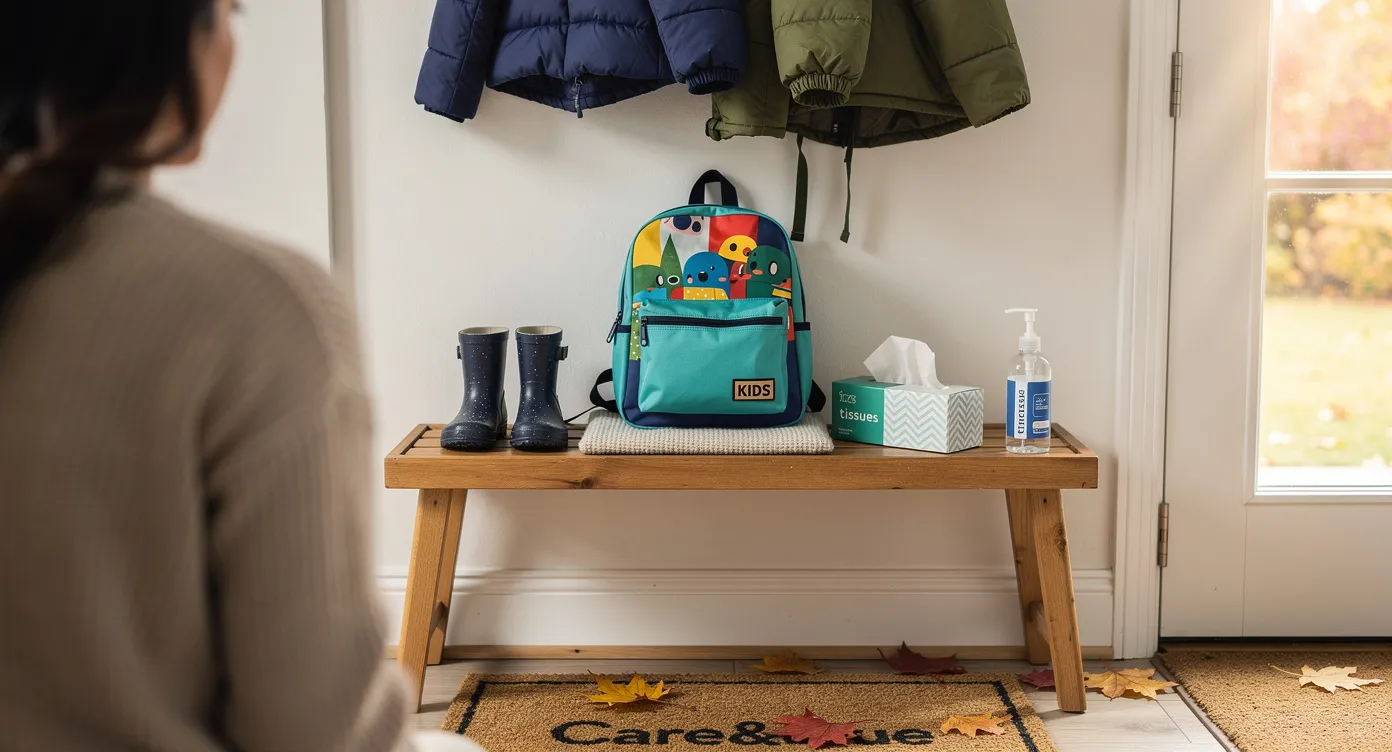
You can't bubble-wrap your family, but you can lower the odds that one child's cold becomes everyone's cold. Handwashing remains the single most effective habit. Make it automatic when kids come home from daycare or school, before meals, and after wiping noses. Alcohol-based sanitizer at the front door helps when a sink isn't handy.
Small changes at home add up. Give each person their own towel and water cup during cold season. Clean high-touch surfaces like door handles, light switches and tablet screens when someone's sick. Crack a window for a few minutes a day if the weather allows, since fresh air helps disperse viral particles. When a child is feverish or clearly unwell, keeping them home follows most daycare policies and protects other families too.
Vaccines are one of your strongest tools. In Ontario, the annual flu shot is publicly funded and widely available through pharmacies, and updated COVID-19 vaccines are offered each fall. Depending on age and circumstances, some people may also be eligible for RSV protection. Your provider can help you decide which vaccines make sense for each person in your home.
Easing Symptoms Safely
For most colds, the basics still work best. Rest, fluids and a cool-mist humidifier can make a real difference in comfort. Over-the-counter pain relievers, fever reducers and decongestants may help adults feel better, taken as directed by your provider or the product label. They ease symptoms but don't shorten the illness.
If you're pregnant, breastfeeding, or planning a pregnancy, check with your provider before starting any new medication. If you take other medications, your provider can help you choose options that won't cause interactions. Children need extra caution. Health Canada advises against giving over-the-counter cough and cold medicines to children under six, and honey should never be given to babies under one year old. Always ask a healthcare provider before giving any medication to a child.
A Care& Membership includes unlimited in-person, phone and video visits with the same Nurse Practitioner. When you're home with a sick child and can't get out the door, a video or phone visit can be a practical way to talk through your own symptoms. If lab work is needed, it can be done on-site at the clinic, and your results appear in the Care& app.
Prevention goes a long way, but it won't stop every cold. The next step is knowing when a rough season has turned into something worth having assessed.
When to See Your Nurse Practitioner
Book a visit with your provider if cold symptoms last longer than about ten days without improving, if you get worse after starting to feel better, or if a fever sticks around for more than three days. Ear pain, facial pressure, a cough that produces coloured mucus with fever, or wheezing are also good reasons to be seen. And if you've noticed a pattern of infections that feels different from the usual daycare parade, that's worth a conversation even when nobody is acutely sick.
Patterns are where continuity matters most. One illness on its own rarely tells the whole story. Seeing the same provider over time makes it easier to notice that this is your fourth sinus infection since spring, or that your iron was low the last time it was checked. That kind of connection is hard to build when every visit is with someone new.
If you have an OHIP-covered family doctor and can get in when you need to, that's a great option. Many people in Toronto, though, don't have a family doctor, or find themselves waiting weeks for an appointment during the busiest time of year. Care& offers a Family Practice alternative in Toronto for people who want unrushed appointments that start on time with a dedicated NP. Care& is not covered by OHIP. A Membership is $450 plus HST per year for unlimited visits, or you can pay $100 per visit, in person or by phone or video. You can learn more about how a Care& Membership works, and if you're thinking about care for more than one person in your household, the team can explain your options at (647) 951-4770 or helpdesk@careand.ca.
Frequently Asked Questions
Is it normal for the whole family to get sick every two weeks when kids are in daycare?
During the first year or two of daycare, it's very common. Young children often catch six to ten colds a year, and because each cold and its lingering cough can last two weeks or more, illnesses tend to overlap. Parents catch many of these too, so the household can feel constantly sick through fall and winter.
How long does a cold usually last in adults?
Most colds peak within two to three days and improve within seven to ten days. A mild cough can linger for up to three weeks afterward. If symptoms haven't improved after about ten days, or they get worse after you started to recover, it's a good idea to have them assessed.
Can lack of sleep and stress really make you catch more colds?
Yes. Short or broken sleep and ongoing stress are both linked to a higher chance of getting sick after you're exposed to a virus. Parents of young children often deal with both at once, which helps explain why they seem to catch everything their kids bring home.
What tests check for a weak immune system?
It depends on your history and symptoms. A provider may start with basic blood work, such as a complete blood count, iron levels or blood sugar, to look for common and treatable causes. More specialized immune testing is usually reserved for people with severe, unusual or hard-to-treat infections.
What can I do if I can't find a family doctor in Toronto?
You can register with Health Care Connect, Ontario's program for matching patients with family doctors and NPs, though wait times can be long. If you want timely, unrushed appointments with a dedicated NP in the meantime, Care& Family Health is a membership-based option in Yorkville. It's not covered by OHIP, but it gives you continuity with the same provider every visit.
Ready to prioritize your health?
Book an appointment with our experienced Nurse Practitioners today.
Book AppointmentOr call us at (647) 951-4770