How Much Does an Iron Infusion Cost in Ontario?
The cost of an iron infusion in Ontario ranges from $0 under OHIP to roughly $400–$900 at a private clinic, depending on the type of iron product used and the facility's fees. That's a wide range, so let's break it down by setting.
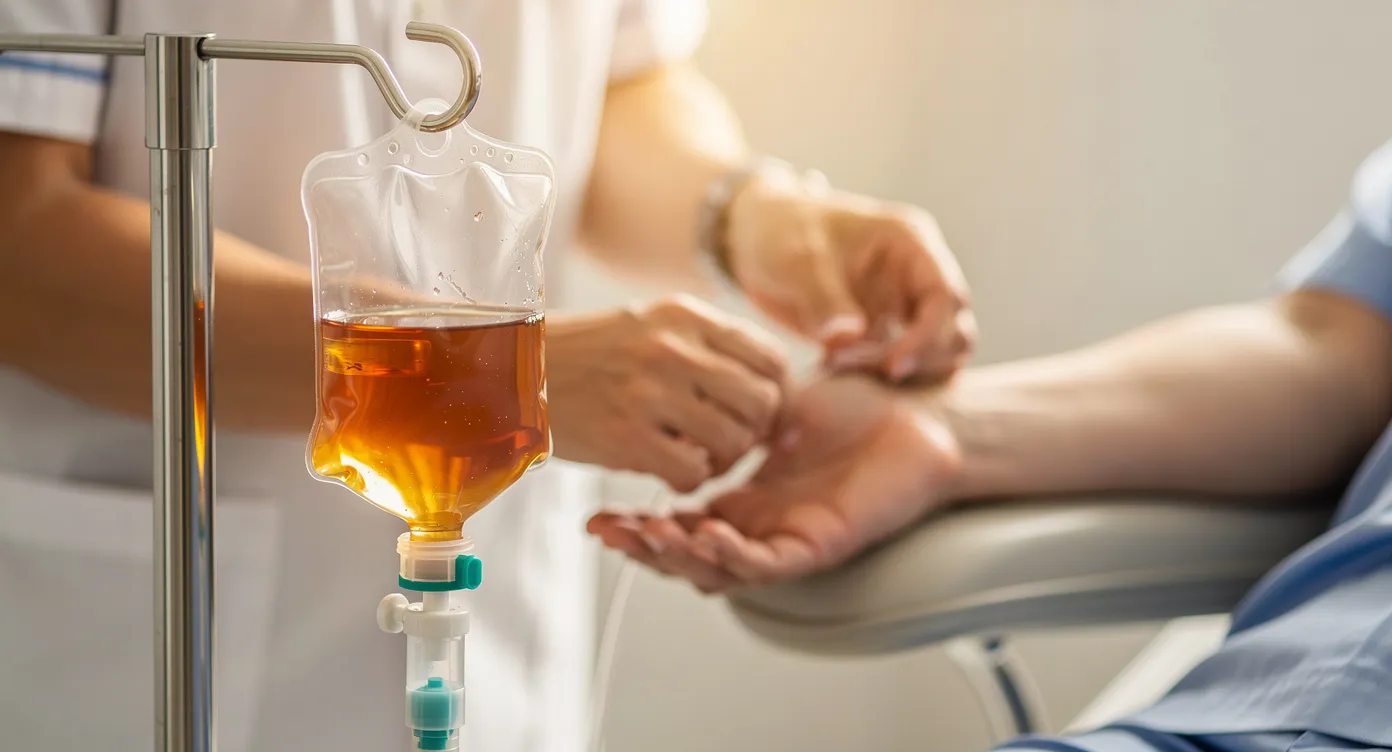
If your iron infusion is administered at a hospital outpatient clinic, OHIP typically covers both the infusion itself and the cost of the iron medication. You won't pay anything out of pocket. The catch? Hospital wait times for non-urgent iron infusions in Toronto can stretch from several weeks to several months. You'll need a referral, and you'll likely have little say over scheduling.
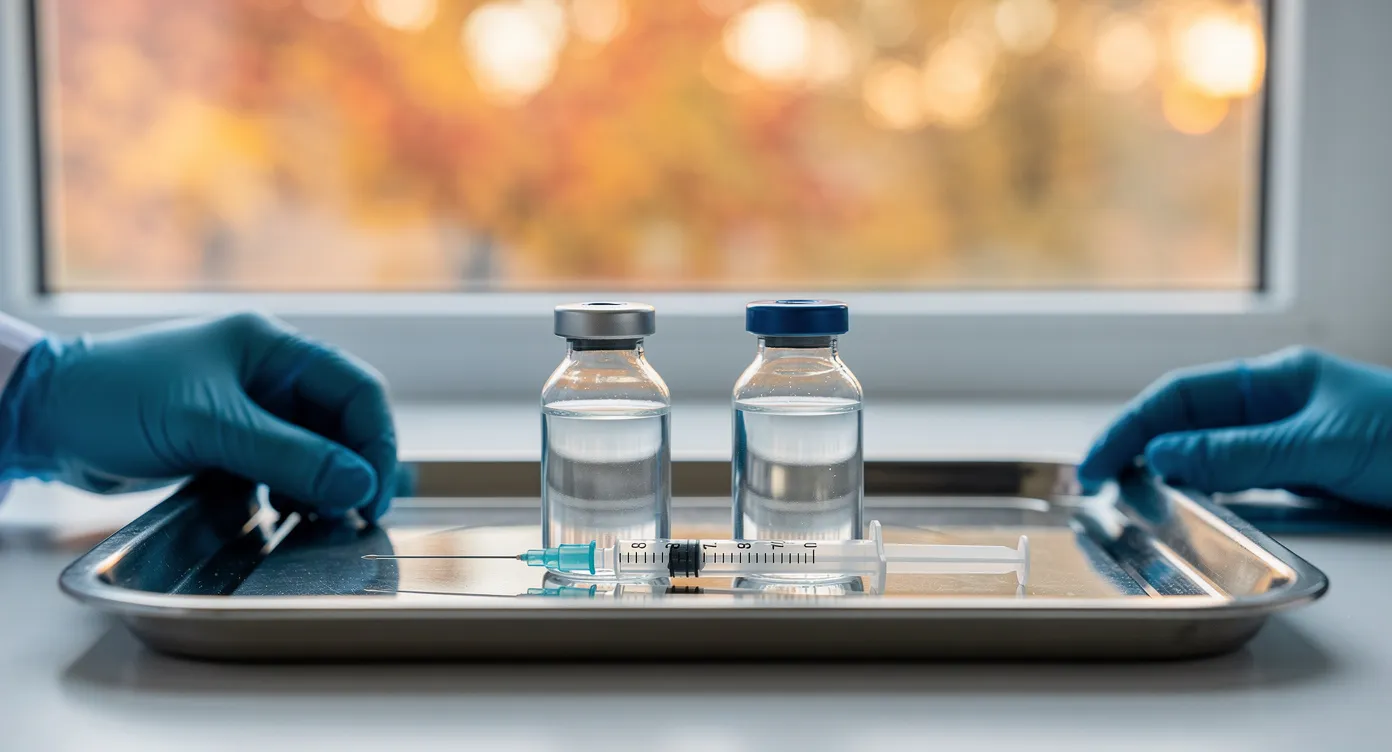
At a private infusion clinic, you're paying for speed and convenience. Most private iron infusion clinics in Toronto charge between $400 and $900 per session. The total depends on the specific iron formulation. Ferinject (ferric carboxymaltose) tends to cost more than older products like iron sucrose (Venofer), but it often requires fewer sessions. Some clinics include the nursing fee and consultation in one bundled price. Others bill separately for the medication, the IV setup, and the monitoring time. Always ask for an itemized quote before you book.
What About OHIP Coverage at Non-Hospital Clinics?
This is where confusion creeps in. OHIP covers iron infusions given in a hospital setting, but it generally does not cover infusions administered at standalone private clinics, even if a physician ordered them. The iron medication itself may be covered under the Ontario Drug Benefit (ODB) program if you qualify, but the administration fee at a private clinic is almost never covered. If you have private health insurance through an employer, check whether it covers IV therapy or infusion services. Some plans do, especially if your provider documents that oral iron has failed or isn't tolerated.
Why Are Iron Infusions So Expensive at Private Clinics?
The sticker price at a private infusion clinic isn't just for the iron itself. You're paying for the IV medication (which can cost $150–$400 wholesale depending on the product), a trained nurse to monitor you for allergic reactions during and after the infusion, the clinic's overhead, and sometimes a pre-infusion medical assessment. Newer formulations like Ferinject allow a higher dose in a single sitting, which means fewer visits overall. That can actually make them more cost-effective even though the per-session price is higher.
Some people are surprised to learn that the iron medication used in infusions is fundamentally different from the iron tablets you'd buy at a pharmacy. IV iron bypasses the digestive system entirely, which is why it works so well for people who can't absorb oral iron or who experience severe side effects like nausea and constipation from pills. The clinical benefit is real, but so is the cost when you're paying privately.
Care& Family Health members get on-premise lab work included with their membership. That means your Nurse Practitioner can check your ferritin, hemoglobin, and complete blood count right at the clinic, then determine whether you actually need an infusion or if a different approach might work. No separate lab requisition. No extra trip. You can see how it works here.
Do You Actually Need an Iron Infusion?
Not everyone with low iron needs an infusion. Oral iron supplements work well for many people, especially when iron deficiency is caught early. Your provider will typically try oral iron first unless there's a specific reason to go straight to IV. Reasons to consider an infusion include severe iron-deficiency anemia, inability to tolerate oral iron, malabsorption conditions like celiac disease or inflammatory bowel disease, ongoing heavy menstrual bleeding, or preparation for surgery when iron levels need to come up quickly.
If you're managing a chronic condition that contributes to iron deficiency, working with a provider who knows your full history makes a real difference. At Care& Family Health, members see the same Nurse Practitioner at every visit, which means your NP already understands your symptoms, your previous lab trends, and what treatments you've tried. That kind of continuity matters when you're deciding between oral supplementation, dietary changes, and an infusion. Our Chronic Disease Management approach is built around exactly this kind of ongoing, personalized care.
If you're pregnant or breastfeeding, iron deficiency is especially common and especially important to address. But the decision about whether to use oral iron or an infusion should always be made with your healthcare provider, since some IV iron formulations carry specific precautions during pregnancy. Similarly, iron management in children can differ from adults. If you're concerned about a child's iron levels, pediatric assessment is the right first step. Care& also offers Pediatric Care for families who want that same dedicated, unhurried approach for their kids.
Tired, short of breath, or wondering if your iron is low? Your NP can help.
Meet Our NPsHow to Save on Iron Infusion Costs in Toronto
If you need an iron infusion and want to minimize out-of-pocket costs, here are a few practical strategies. First, ask your healthcare provider for a hospital referral. If your case isn't urgent and you can handle the wait, a hospital outpatient infusion is covered by OHIP. Second, check your private insurance. Many employer plans cover infusion therapy under paramedical or specialty services, especially with a letter from your NP or physician explaining medical necessity. Third, compare clinics. Private infusion clinics in Toronto vary widely in pricing, and some offer package deals if you need multiple sessions.
It also helps to know exactly what you're paying for before you walk in. Ask whether the quoted price includes the iron medication, the IV supplies, the monitoring period, and any follow-up bloodwork. Some clinics charge separately for each of these components, and the advertised price may only reflect part of the total cost. Your Nurse Practitioner at Care& can help you figure out the most cost-effective path based on your specific situation, whether that's a hospital referral, a private clinic recommendation, or trying a different oral iron formulation first.
When to See Your Nurse Practitioner
If you're experiencing persistent fatigue, dizziness, pale skin, or shortness of breath with minimal exertion, it's worth getting your iron levels checked. These symptoms overlap with many conditions, and a simple blood test can tell you whether iron deficiency is the cause. If you don't currently have a family provider in Toronto, or if you're tired of waiting weeks for a routine appointment through the OHIP system, Care& offers a Family Practice model built around longer appointments and real continuity. Membership isn't covered by OHIP, but you can review Membership Pricing to see if it fits your needs. Your NP can assess your symptoms, order the right bloodwork on-site, and guide you toward the most appropriate treatment, whether that's dietary advice, oral supplementation, or a referral for an iron infusion.
Severe anemia can cause dangerously fast heart rate, chest pain, or fainting. If you experience these symptoms, go to your nearest emergency department or call 911. Iron-deficiency anemia is treatable, but severe cases need urgent medical attention.
Frequently Asked Questions
How many iron infusion sessions will I need?
It depends on how low your iron levels are and which formulation is used. Newer products like Ferinject can sometimes correct a deficiency in one or two sessions, while older formulations like iron sucrose may require three to five. Your provider will base the number of sessions on your bloodwork results and how you respond to the first infusion.
Are there side effects from iron infusions?
Most people tolerate iron infusions well. Common side effects include headache, nausea, mild muscle aches, and temporary skin staining at the IV site. Serious allergic reactions are rare but possible, which is why you're monitored during and for at least 30 minutes after the infusion. If you take other medications, your provider can help you choose options that won't cause interactions.
What if I can't find a family doctor in Toronto to investigate my iron levels?
You're not alone. Many Torontonians are without a regular provider right now. Care& Family Health is a Nurse Practitioner-led clinic that offers a membership model with unlimited visits, on-site bloodwork, and a dedicated NP who follows your care over time. It's not covered by OHIP, but for people who want thorough assessments, it's a practical option worth considering.
Ready to prioritize your health?
Book an appointment with our experienced Nurse Practitioners today.
Book AppointmentOr call us at (647) 951-4770