In This Article
How Heat Illness Happens
Toronto's summers have been getting hotter. The city regularly sees humidex values above 40°C during June, July, and August, and those numbers can push your body's cooling system to its limits. Your body manages heat mainly through sweating and increasing blood flow to the skin. When the air temperature and humidity are both high, sweat doesn't evaporate as efficiently, and your core temperature starts to climb.
Heat illness exists on a spectrum. It typically starts with mild symptoms like heat cramps, progresses to heat exhaustion, and can escalate to heat stroke if left unaddressed. The critical question most people have is: how do I know which one I'm dealing with? That distinction matters because heat exhaustion can usually be managed at home, while heat stroke requires immediate emergency care.
Understanding where you fall on that spectrum can help you respond correctly in the moment. And it can also help you plan ahead, especially if you have chronic conditions or take medications that affect how your body handles heat.
Heat Exhaustion vs. Heat Stroke: A Side-by-Side Comparison
Before we get into the details of each condition, here's a quick reference you can come back to. The differences between heat exhaustion and heat stroke are more distinct than most people realize.
The single most important difference? Mental status. If someone seems confused, is slurring their words, or has lost consciousness, treat it as heat stroke and call 911 immediately. That confusion signals that the brain itself is overheating, and every minute counts.
Heat Exhaustion: What It Looks Like and What to Do
Heat exhaustion is your body's warning signal. It means your cooling system is working overtime but starting to fall behind. You're still sweating. You're still conscious and oriented. But you feel genuinely unwell.
Common Symptoms of Heat Exhaustion
The symptoms tend to come on gradually. You might notice heavy sweating, a throbbing headache, and a sense of weakness in your legs. Nausea is common, sometimes with vomiting. Your skin may feel cool and clammy despite the heat, and you may feel lightheaded or dizzy when you stand up. Muscle cramps, especially in the calves and abdomen, can also develop. Your heart rate often feels fast but thin, like your pulse is working harder than normal.
How to Treat Heat Exhaustion
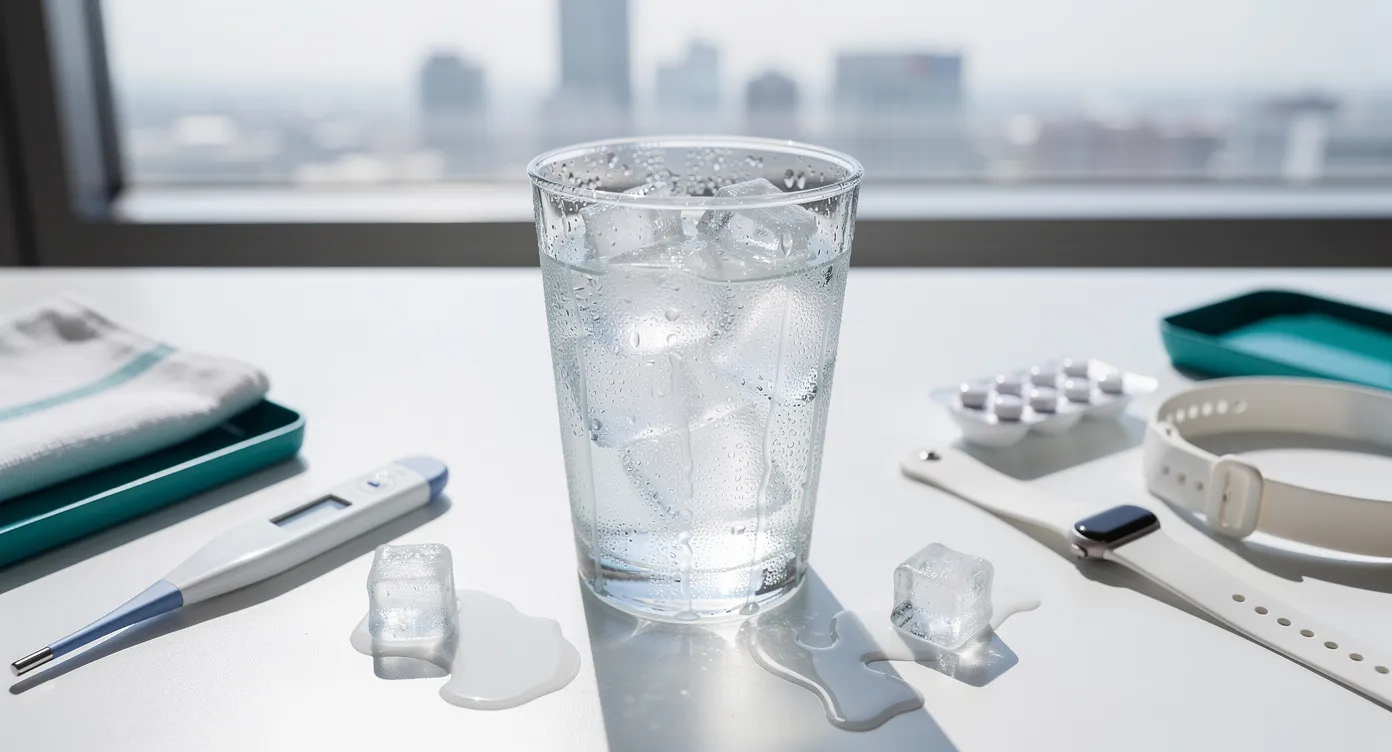
The good news is that heat exhaustion usually responds well to prompt first aid. Move to a cool, shaded area or an air-conditioned space. Remove any unnecessary clothing. Drink cool water slowly. Not ice-cold, not large gulps. Apply cool, wet cloths to your forehead, neck, and wrists. Lie down with your legs slightly elevated. Most people start to feel better within 30 to 60 minutes with these measures.
If symptoms don't improve within an hour, or if they worsen at any point, you need medical attention. Heat exhaustion that isn't managed properly can progress to heat stroke, sometimes quickly.
Care& members have access to on-premise lab work at our Yorkville clinic. If you've had a heat-related episode, your Nurse Practitioner can order bloodwork to check your kidney function and electrolytes during a follow-up visit. That kind of continuity makes a real difference in recovery.
Heat Stroke: Why It's a 911 Emergency
Heat stroke is a medical emergency, full stop. It occurs when your body's temperature regulation has failed entirely. Your core temperature climbs to 40°C or above, and your organs, including your brain, begin to sustain damage.
Recognizing Heat Stroke Symptoms
The hallmark of heat stroke is altered mental status. The person may seem confused, combative, or disoriented. They might not make sense when they speak. Seizures can occur. Loss of consciousness is possible. Unlike heat exhaustion, the skin is often hot and dry to the touch. Sweating may stop completely because the body's thermoregulation has broken down. The pulse is typically rapid and strong. Nausea and vomiting are common, and a severe, throbbing headache often develops.
What to Do if You Suspect Heat Stroke
Call 911 immediately. While waiting for paramedics, move the person to the coolest possible environment. Apply ice packs to the neck, armpits, and groin. These areas have large blood vessels close to the skin, which helps cool the blood faster. Fan them aggressively. If they're conscious and alert, small sips of cool water are okay. If they're confused or semi-conscious, do not give fluids by mouth because of the aspiration risk.
Heat stroke can cause permanent brain damage, organ failure, and death if not treated rapidly. If someone has hot, dry skin combined with confusion or loss of consciousness, call 911 without delay. Do not wait to see if they improve on their own.
Even after hospital treatment, recovery from heat stroke can take days to weeks. Some people experience lingering sensitivity to heat for months afterward, which is why follow-up care with your healthcare provider matters.
Who's Most at Risk
Anyone can develop heat illness, but certain groups face higher risk. Adults over 65 are particularly vulnerable because the body's ability to regulate temperature declines with age. People with chronic conditions like diabetes, heart disease, and kidney disease are also at increased risk. If you're managing a chronic condition, talking with your provider about a heat safety plan is a smart move. Care& offers Chronic Disease Management appointments where your NP can review your medications and adjust your care plan for the summer months.
Certain medications can also impair your body's heat response. Diuretics (water pills) can increase dehydration risk. Beta-blockers may reduce your heart's ability to compensate for heat stress. Antihistamines and some psychiatric medications can decrease sweating. If you take any of these, your Nurse Practitioner can help you understand your specific risk and create a prevention strategy.
People who work or exercise outdoors in Toronto's summer heat are obviously at higher risk, even if they're young and fit. Weekend warriors training for fall marathons, construction workers, and cycling commuters all need to take heat acclimatization seriously. And don't forget that children are more susceptible to heat illness than adults. Their bodies heat up faster, and they're less likely to recognize early symptoms. For families with young children, Pediatric Care visits can include guidance on keeping kids safe during Toronto's heat waves.
Worried about your heat risk this summer? Your NP can help you plan ahead.
Meet Our NPsWhen to See Your Nurse Practitioner
If you experience heat stroke symptoms, go to the emergency department. That's non-negotiable. No clinic visit can replace the rapid cooling, IV fluids, and monitoring that a hospital provides in that situation.
But there are several scenarios where seeing your Nurse Practitioner before or after a heat event makes a real difference. If you've had a heat exhaustion episode and want to understand why it happened, your NP can evaluate contributing factors like medications, hydration habits, and underlying health conditions. If you recovered from heat exhaustion but still feel off days later (persistent fatigue, headaches, or difficulty tolerating warmth), a follow-up visit with bloodwork can rule out lingering electrolyte imbalances or kidney strain.
Prevention visits are just as valuable. If you take medications that affect heat tolerance, your provider can review your prescription list and discuss adjustments for the summer. If you have a chronic condition, a proactive conversation about heat safety is far better than an ER visit in July.
Care& Family Health is a Family Practice led by Nurse Practitioners who have time to go through these details with you. Appointments aren't rushed, and because you see the same NP at each visit, they already know your history. Care& isn't covered by OHIP. It operates on a membership model at $450+HST per year for unlimited visits, or a $100 per-visit option. For many Torontonians, especially those without a family doctor, it provides the kind of consistent, relationship-based care that's become hard to find. You can see how it works in more detail on the Care& website.
If you're pregnant, breastfeeding, or planning a pregnancy, it's especially important to discuss heat safety with your provider. Pregnancy increases your susceptibility to overheating, and some cooling strategies need to be modified. Your NP can tailor advice to your situation.
Frequently Asked Questions
Can heat exhaustion turn into heat stroke?
Yes. Heat exhaustion is considered a precursor to heat stroke. If someone with heat exhaustion doesn't cool down and rehydrate, their condition can progress to heat stroke within 30 minutes or less. That's why prompt first aid for heat exhaustion is so important. Any worsening of symptoms, especially confusion or a change in consciousness, means you should call 911.
How long does it take to recover from heat exhaustion?
Most people feel significantly better within one to two hours once they're in a cool environment and rehydrating. However, you may feel fatigued and mildly unwell for 24 to 48 hours afterward. Avoid heat exposure and strenuous activity for at least a day or two. If symptoms persist beyond 48 hours, it's worth seeing your healthcare provider.
Is it safe to exercise outdoors in Toronto during a heat warning?
The City of Toronto issues heat warnings when the humidex is expected to reach 40°C or higher. During these periods, it's best to exercise in the early morning (before 10 a.m.) or after sunset. Stay hydrated before, during, and after activity. Wear light-coloured, loose-fitting clothing. If you feel any early symptoms like dizziness, excessive sweating, or nausea, stop immediately and get to a cool space.
I don't have a family doctor. Where can I get help with heat-related concerns in Toronto?
If you're one of the many Torontonians without a family doctor, Care& Family Health offers a membership-based model where you're matched with a dedicated Nurse Practitioner who gets to know your history. Your NP can help assess your heat illness risk, review your medications, and provide follow-up care after a heat-related episode. The clinic is in Yorkville, with appointments available by phone, video, or in person.
Ready to prioritize your health?
Book an appointment with our experienced Nurse Practitioners today.
Book AppointmentOr call us at (647) 951-4770