In This Article
What Diverticulitis Actually Is
To understand diverticulitis, it helps to start one step earlier with diverticulosis. As many of us age, small pouches called diverticula can form in the wall of the colon, most commonly in the lower-left section where the sigmoid colon sits. Having these pouches is called diverticulosis, and it's remarkably common. By the time people reach their sixties, a large share of the population has them, and most never notice a thing.
Diverticulitis is what happens when one or more of those pouches becomes inflamed or infected. That inflammation is what turns a silent, harmless anatomical quirk into pain, fever, and the sense that something is genuinely wrong. The condition ranges widely in severity. Many cases are mild and settle with the right treatment and rest, while a smaller number involve complications like an abscess, a blockage, or a perforation that need more intensive care.
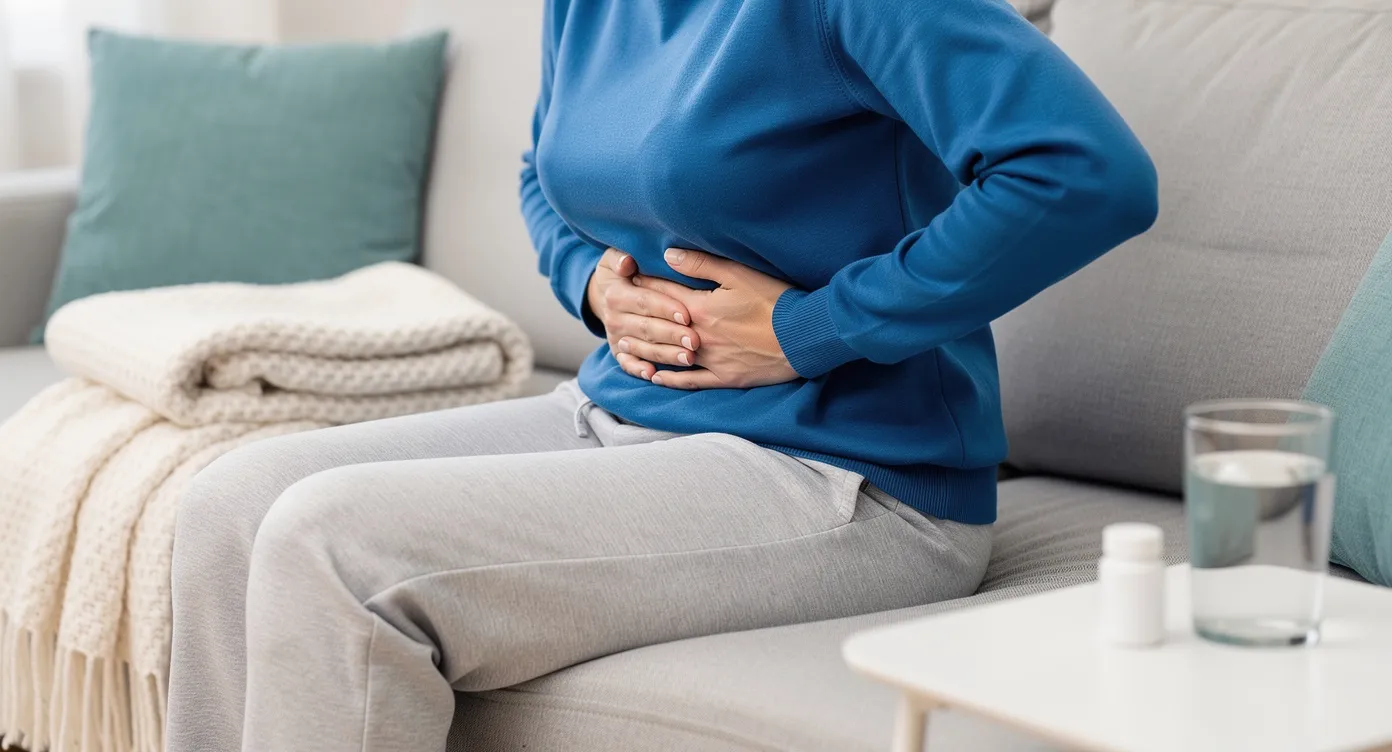
The reason the pain so often lands on the lower left is simply anatomy. The sigmoid colon, where diverticula tend to cluster, sits on that side of the abdomen. That's why a persistent, tender ache in the lower-left quadrant is one of the more recognizable signals that this might be more than ordinary digestive upset.
Recognizing the Symptoms
The classic picture of diverticulitis is steady pain in the lower-left abdomen that builds over a day or two rather than coming and going in sharp waves. Unlike the fleeting cramps of gas or a passing bug, this pain tends to stick around and often gets worse with movement or when you press on the area. For a smaller group of people, particularly those of Asian descent, the pain can show up on the right side instead, which sometimes gets mistaken for appendicitis.
Alongside the pain, several other diverticulitis symptoms commonly appear together:
- A low-grade or moderate fever, sometimes with chills
- Bloating and a tender, distended belly
- A noticeable change in bowel habits, whether that's constipation or diarrhea
- Nausea, and occasionally vomiting
- A loss of appetite you can't quite explain
What makes this tricky is that plenty of everyday conditions share these features. Irritable bowel syndrome, a stomach virus, a urinary tract infection, and even ovarian problems can all produce lower abdominal discomfort and bloating. For women especially, pelvic causes are worth ruling out, which is why a symptom like persistent bloating with pain deserves a proper look. Our discussion of pelvic pain and bloating that deserve a closer look walks through some of those overlapping possibilities. The takeaway is that the specific pattern here, lower-left pain plus fever plus altered bowels, is what nudges a provider toward considering diverticulitis rather than a simpler explanation.
"Steady lower-left pain that builds over a day or two, paired with fever and changed bowel habits, is the pattern that separates diverticulitis from an ordinary upset stomach."
What Causes It and Who's at Risk
The exact trigger for why a particular pouch flares on a particular day isn't always clear. For a long time the standard explanation was that hardened bits of stool became trapped in a diverticulum, but current understanding suggests inflammation, changes in the gut microbiome, and pressure within the colon all play a part. What we do know is which factors raise the odds of developing diverticular disease and of having a flare.
Age is the biggest one, with risk climbing steadily after 40. A diet low in fibre and high in red meat appears to increase risk, as does being physically inactive, carrying excess weight, and smoking. Some medications, including regular use of NSAIDs like ibuprofen, have been linked to a higher chance of complications. Genetics matter too, so a family history of diverticular disease can tip the scales.
Here's a piece of reassuring news that overturns old advice: the long-standing warning to avoid nuts, seeds, popcorn, and corn to prevent diverticulitis hasn't held up under research. For most people these foods are safe, and there's no strong evidence they get lodged in the pouches. If you've been carefully avoiding them for years, that caution is likely unnecessary, though your provider can give you guidance tailored to your own history.
When abdominal symptoms need investigating, having lab work done without an extra trip helps. Care& offers on-premise lab work at our Yorkville clinic, so bloodwork your Nurse Practitioner orders can often be handled in the same visit rather than sending you across the city.
How It's Diagnosed and Treated
Diagnosis usually begins with a conversation and a physical exam. Your provider will ask about the timing and location of your pain, your fever, and any changes in your bowels, then gently examine your abdomen to find where the tenderness sits. Bloodwork often follows, since an elevated white blood cell count and inflammatory markers can support the picture. In many cases, a CT scan of the abdomen is the test that confirms diverticulitis and shows whether there's a complication like an abscess.
Treatment depends heavily on severity. A mild, uncomplicated case in an otherwise healthy person is often managed at home. That may involve a period of rest, a temporary shift to clear fluids or a low-fibre diet to let the colon settle, and pain control that avoids the NSAIDs mentioned earlier. Antibiotics used to be routine for every case, but guidelines have shifted, and some mild episodes now heal without them. Your provider will weigh your specific situation before deciding.
A Note on Antibiotics and Medications
When antibiotics are needed, they should always be taken exactly as directed by your provider, and the full course finished even once you feel better. If you take other medications, your provider can help you choose options that won't cause interactions. Should you develop a rash, swelling, or trouble breathing after starting a new antibiotic, that can signal an allergic reaction, and the way symptoms escalate is similar to what we describe in our piece on when swelling and reactions mean something more. If you're pregnant, breastfeeding, or planning a pregnancy, check with your provider before starting any new medication, since some antibiotics are preferred over others during pregnancy.
More severe cases, or those with complications, may need intravenous antibiotics in hospital, drainage of an abscess, or in some situations surgery. After recovery from a flare, a colonoscopy is often recommended once the inflammation has fully settled, to look at the colon directly and rule out other causes. Because diverticular disease tends to recur and often coexists with other digestive concerns, ongoing follow-up matters, and this is an area where structured chronic condition management can help you stay ahead of flares rather than reacting to them.
Go to the nearest emergency department or call 911 if you have severe or rapidly worsening abdominal pain, a high fever with shaking chills, a rigid or board-like belly, inability to pass stool or gas, persistent vomiting, or blood in your stool. These can signal a serious complication such as a perforation, abscess, or obstruction that needs urgent treatment.
Eating for Diverticular Disease
Diet plays two different roles depending on where you are in the cycle. During an active flare, the goal is to rest the colon, so your provider may suggest clear fluids for a short stretch, then a gradual return through low-fibre foods as symptoms ease. This isn't a permanent way of eating. It's a temporary strategy to let inflammation calm down.
Between flares, the aim flips almost entirely. A high-fibre diverticular disease diet is the cornerstone of prevention. Fibre softens stool and reduces pressure inside the colon, which is thought to lower the chance of new pouches forming and existing ones flaring. That means building meals around vegetables, fruits, whole grains, beans, and lentils. If your fibre intake has been low, increase it slowly over a few weeks and drink plenty of water, since ramping up too fast can leave you gassy and bloated.
Staying physically active, keeping a healthy weight, and not smoking round out the lifestyle picture. None of these guarantees you'll never have a flare, but together they meaningfully improve your odds. A provider who knows your history can help you build a realistic plan rather than a generic one, and adjust it as your body responds.
Concerned about your symptoms? Your NP can help.
Meet Our NPsWhen to See Your Nurse Practitioner
If you've had lower-left abdominal pain for more than a day, especially with fever, bloating, or a shift in your bowel habits, that's the point to have it assessed rather than riding it out. Wondering when to see a doctor for abdominal pain is a common hesitation, and the honest answer is that persistent, localized pain with any warning sign deserves a professional look. Diverticulitis responds better to early treatment, and catching a flare before it worsens can spare you a hospital stay.
In Ontario, an OHIP family doctor or a walk-in clinic is one route, and if you have a family physician you can reach promptly, that's a reasonable place to start. The reality for many Torontonians is that finding timely care is harder than it should be, with long waits and rushed visits that don't leave room to explain a complicated set of symptoms. Care& exists as an option for exactly that gap. As a Nurse Practitioner-led family practice, we offer unrushed appointments that start on time, on-site lab work, and continuity with the same NP who comes to know your history. Membership is not covered by OHIP, and you can see how the membership works to decide whether it fits your needs.
Abdominal pain has a wide range of causes, and your Nurse Practitioner can help assess your symptoms, order the right tests, arrange treatment, and coordinate any specialist referral or colonoscopy follow-up you might need. If your symptoms are severe or escalating, though, an emergency department is the right destination rather than a scheduled appointment.
Frequently Asked Questions
How is diverticulitis different from regular indigestion?
Indigestion tends to be upper-abdominal, comes and goes, and often relates to meals or overeating. Diverticulitis usually causes steady pain in the lower-left abdomen that persists and worsens, frequently alongside fever and a change in bowel habits. If pain sticks around for more than a day and comes with fever, it's time to have it assessed.
Do I really need to avoid nuts, seeds, and popcorn?
Probably not. The old advice to avoid these foods hasn't been supported by research, and for most people they're safe to eat and even beneficial as sources of fibre. If you have a specific complicated history, your provider can give you personalized guidance, but blanket avoidance is no longer standard.
Can diverticulitis go away without antibiotics?
Some mild, uncomplicated cases now heal with rest, fluids, and dietary changes rather than antibiotics, based on updated guidelines. That decision should always be made by a healthcare provider after assessing your symptoms, since more serious cases still need antibiotics or hospital care. Never skip prescribed treatment on your own.
Will diverticulitis keep coming back?
Recurrence is possible, though many people have only a single episode. A high-fibre diet, regular activity, a healthy weight, and not smoking all lower your risk of future flares. Ongoing follow-up with a provider who knows your history helps you catch and manage recurrences early.
I can't find a family doctor in Toronto. Where can I get this assessed?
Finding a family physician who can see you promptly is genuinely difficult across the city right now. Care& is a Nurse Practitioner-led clinic in Yorkville, offering unrushed appointments, on-site lab work, and continuity with a dedicated NP. Membership is not covered by OHIP, but it gives you a reliable way to have symptoms like persistent abdominal pain evaluated without the uncertainty of a long walk-in wait.
Ready to prioritize your health?
Book an appointment with our experienced Nurse Practitioners today.
Book AppointmentOr call us at (647) 951-4770