Yes, Heat Actually Lowers Your Blood Pressure
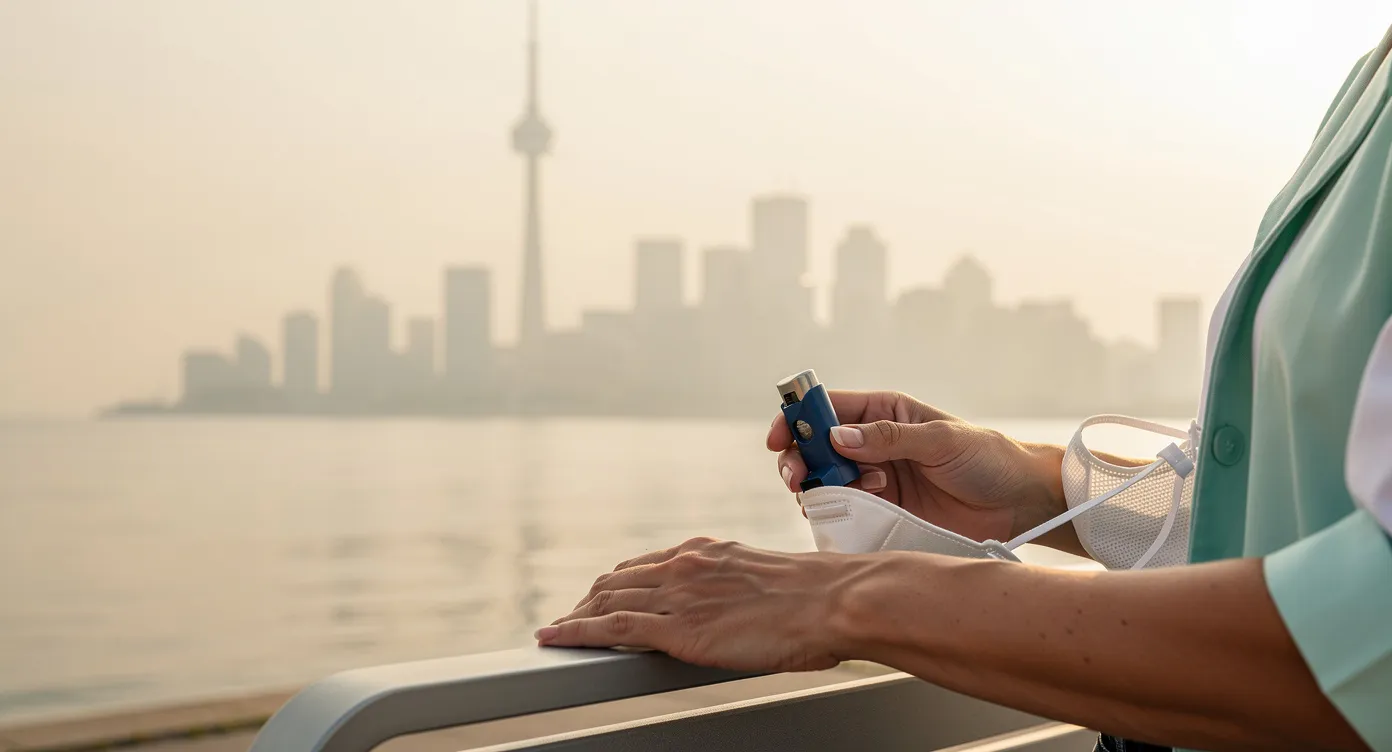
The short answer is straightforward. When temperatures rise, your blood vessels dilate to help your body release heat through the skin. This process, called vasodilation, reduces the resistance inside your arteries. Less resistance means lower blood pressure readings. Add in the fluid and salt you lose through sweat, and your blood volume decreases too. Both factors push your numbers down.
For most people, this mild seasonal drop isn't a problem. But if you're already taking medication to lower your blood pressure, the combined effect of medication plus heat-related vasodilation can push your readings too low. That's when symptoms appear. Dizziness when standing, fatigue that feels heavier than the usual summer slowdown, blurred vision, or a general sense that something is off. These are signs of hypotension, and they're especially common during Toronto's humid stretches in July and August when your body works overtime to cool itself.
This pattern is well documented in medical literature. Blood pressure tends to be highest in winter and lowest in summer, often shifting by 5 to 10 mmHg or more. If you're someone whose readings sit near the lower end of normal on medication, that seasonal shift can make a real difference in how you feel day to day.
What This Means for Your Medication
If your blood pressure drops significantly in the summer, your medication dose may need a seasonal adjustment. This is more common than most people realize, and it doesn't mean your treatment plan is flawed. It means your body is responding to the environment, and your treatment should respond too. Diuretics (sometimes called water pills) are especially important to watch during hot weather because they increase fluid loss through urination. When you're already sweating heavily, that extra fluid reduction can tip you into dehydration faster.
Other classes of blood pressure medication, including ACE inhibitors, ARBs, and calcium channel blockers, can also contribute to lower-than-expected readings during heat waves. The key point is this: never adjust your dose on your own. Stopping or reducing a blood pressure medication without guidance can cause dangerous rebound spikes. Instead, track your readings and share them with your healthcare provider so they can make an informed decision about whether a temporary dose change makes sense.
If you're pregnant, breastfeeding, or planning a pregnancy, this is especially important. Some blood pressure medications carry specific risks during pregnancy, and summer heat adds another variable your provider needs to account for. Similarly, if you take other medications alongside your blood pressure drugs, your provider can help you choose adjustments that won't cause interactions.
Care& members can book unlimited visits throughout the summer to fine-tune their blood pressure management as the weather shifts. Because you see the same Nurse Practitioner each time, your NP already knows your medication history and baseline readings. That continuity makes seasonal adjustments faster and safer. Learn more about Chronic Disease Management at Care&.
Staying Safe When the Temperature Climbs
Managing blood pressure fluctuations in hot weather doesn't require a dramatic lifestyle change. A few practical habits go a long way. First, stay hydrated. This sounds obvious, but many people underestimate how much fluid they lose on a 30-degree day in Toronto, particularly if they're spending time outside or exercising. Water is your best bet. If you sweat heavily, a drink with electrolytes can help replace lost sodium and potassium, both of which influence blood pressure.
Monitor at Home
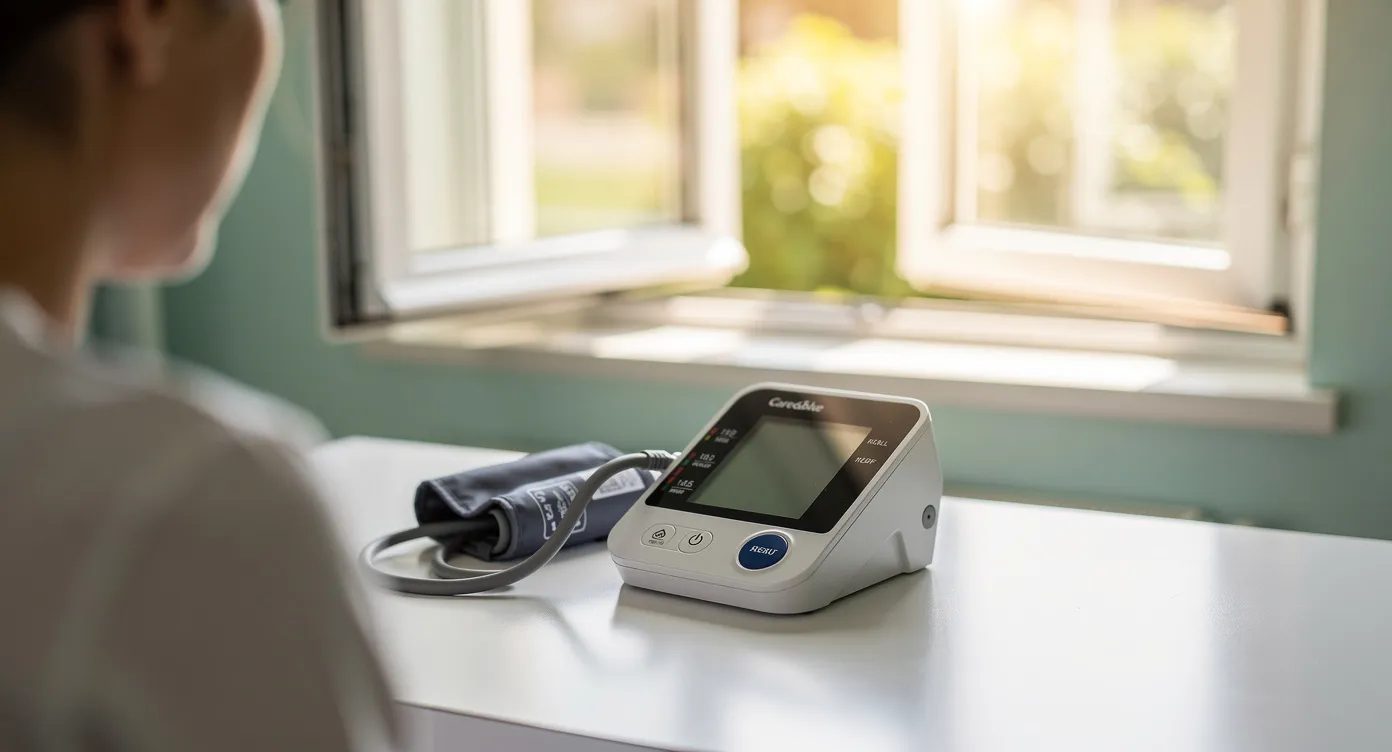
Home blood pressure monitoring is one of the most useful things you can do during the summer months. Take your readings at the same time each day, ideally in the morning before medication. Keep a log. If you notice your systolic pressure (the top number) consistently dropping below 100, or if you're experiencing symptoms like dizziness or fatigue, that's information your Nurse Practitioner needs to see. Many providers at Care& Family Health review these logs during visits or through Virtual Care appointments, which can be especially convenient when you'd rather not commute across the city in a heat wave.
Know Your Triggers
Alcohol, large meals, and prolonged standing can all amplify summer-related blood pressure drops. Hot baths and saunas compound the effect of heat even further. If you're on blood pressure medication and you feel unsteady after a long walk in the sun or a glass of wine on a patio, those aren't random events. They're predictable interactions between your medication, the heat, and the trigger. Awareness is half the battle.
For older adults, the risks are higher. Age-related changes in blood vessel flexibility mean the body doesn't compensate as quickly for sudden pressure drops. If you're managing a parent's or grandparent's blood pressure, summer is the season to pay closer attention. Children and adolescents on blood pressure medication may also respond differently to heat, so pediatric management should always be discussed with a qualified provider.
Care& members get unlimited visits to manage ongoing conditions.
See Membership PricingWhen Low Blood Pressure Becomes an Emergency
Fainting or near-fainting episodes, confusion, rapid or shallow breathing, cold and clammy skin, or a systolic reading below 80 mmHg. These can indicate dangerously low blood pressure or heat stroke. Call 911 immediately. Do not attempt to adjust medication on your own in this situation.
Most summer blood pressure dips are mild and manageable. But severe hypotension combined with heat exhaustion can become serious quickly. If you feel faint, move to a cool environment, lie down with your legs elevated, and sip water. If symptoms don't resolve within a few minutes, or if someone becomes confused or unresponsive, that's a 911 call. This is especially true for people taking multiple blood pressure medications or those with other heart conditions.
When to See Your Nurse Practitioner
If your home readings are consistently lower than usual, if you're experiencing lightheadedness or fatigue that's disrupting your daily life, or if you're unsure whether your current dose is still appropriate for the summer months, it's time to talk with your provider. These conversations don't always require an in-person visit. A quick virtual appointment with your NP can be enough to review your readings and decide on next steps.
Many people in Toronto struggle to get timely appointments for medication adjustments through OHIP-covered clinics, especially during the summer when schedules thin out. Care& Family Health offers a membership model that isn't covered by OHIP, but it's designed for exactly this kind of ongoing care. Your Nurse Practitioner knows your history, your medications, and your baseline numbers. That means seasonal adjustments happen faster and with more context than starting from scratch with a new provider. You can see full details on Membership Pricing.
Frequently Asked Questions
Should I take my blood pressure medication at a different time in the summer?
Timing changes should only be made on the advice of your healthcare provider. Some people benefit from taking their dose in the evening rather than the morning during hot months, but this depends on the specific medication and your individual reading patterns. Keep taking your medication as prescribed and bring your home readings to your next appointment.
Can dehydration cause high blood pressure in summer too?
Yes, it can work both ways. Mild dehydration often lowers blood pressure, but severe dehydration can trigger a stress response that temporarily raises it. Your body releases hormones like adrenaline and vasopressin to compensate for low fluid volume, and those hormones can constrict blood vessels. Consistent hydration is the simplest way to keep your readings stable during the summer.
What if my family doctor doesn't have availability for weeks?
Waiting weeks for a medication review during a heat wave isn't ideal, especially if you're symptomatic. Care& Family Health operates on a membership model where members get unlimited visits with the same Nurse Practitioner. That means if your readings shift in July, you can get your NP's input while it's still relevant rather than waiting until September. It's not covered by OHIP, but for people managing ongoing conditions like hypertension, the continuity and access can make a meaningful difference. You can explore how it works at Care& Family Practice.
Ready to prioritize your health?
Book an appointment with our experienced Nurse Practitioners today.
Book AppointmentOr call us at (647) 951-4770