
What Causes Food Cravings? The Short Answer
Food cravings are rarely about willpower. They're driven by a mix of blood-sugar swings, hormone fluctuations, sleep debt, stress, habit, and sometimes an actual nutrient your body is running low on. When you crave sugar, salt, or carbs specifically, your brain is usually chasing a fast fix for one of these underlying states. A dip in blood sugar triggers a sugar craving because glucose is the quickest source of energy. A stressful afternoon raises cortisol, which pushes you toward carbs and sweets because they briefly calm the stress response. Low iron or magnesium can show up as cravings too, though not always in obvious ways.
The reason cravings feel so urgent is that they're wired into ancient survival circuitry. Your brain rewards you with dopamine when you eat calorie-dense food, and it learns to repeat whatever gave it that hit. So when people ask "why do I crave sugar" or "why can't I stop reaching for carbs," the honest answer is that several systems are usually firing at once. The good news is that most of them are measurable and manageable once you know which one is driving the bus.
Blood Sugar Swings Are the Usual Suspect
The single most common driver of an afternoon craving is a blood-sugar rollercoaster. When you eat a meal heavy in refined carbs and light on protein, fibre, or fat, your blood sugar spikes quickly and then crashes just as fast. That crash is what sends you hunting for a cookie an hour or two later. Your body reads the dip as an emergency and demands the fastest possible fuel, which is exactly what sugar provides.
This is why a breakfast of just a bagel or a sugary coffee often sets you up for a full day of cravings, while a breakfast with protein and fibre keeps you steadier. If your cravings come in predictable waves tied to the clock, blood sugar is almost always involved. For some people, these swings are an early sign of insulin resistance or prediabetes, which is why persistent, intense cravings paired with fatigue or thirst are worth checking. Your provider can order simple bloodwork like a fasting glucose or an A1C to see how your body is handling sugar over time.
Hormones and Cravings Are Tightly Linked
Hormones shape cravings more than most people realize. Cortisol, your main stress hormone, rises during busy or anxious periods and increases appetite for sweet and salty comfort food. Sleep matters here too. A single short night raises ghrelin, the hormone that signals hunger, and lowers leptin, the one that signals fullness. That's why a poor sleep leaves you ravenous and reaching for carbs the next day.
For many women, cravings follow the menstrual cycle. The days before a period bring a drop in estrogen and progesterone alongside a dip in serotonin, and carbohydrates temporarily boost serotonin, which is why chocolate and bread call so loudly during that window. Pregnancy and perimenopause shift the hormonal picture again. If your cravings feel closely tied to your cycle or a life stage, tracking them for a couple of months gives your provider useful information to work with.
Both Care& locations offer on-premise lab work, so the bloodwork that checks your iron, magnesium, and blood sugar can be drawn during your visit rather than at a separate lab across town. Your results flow straight into the Care& app, where you and your Nurse Practitioner can review them together.
Can Cravings Mean a Nutrient Deficiency?
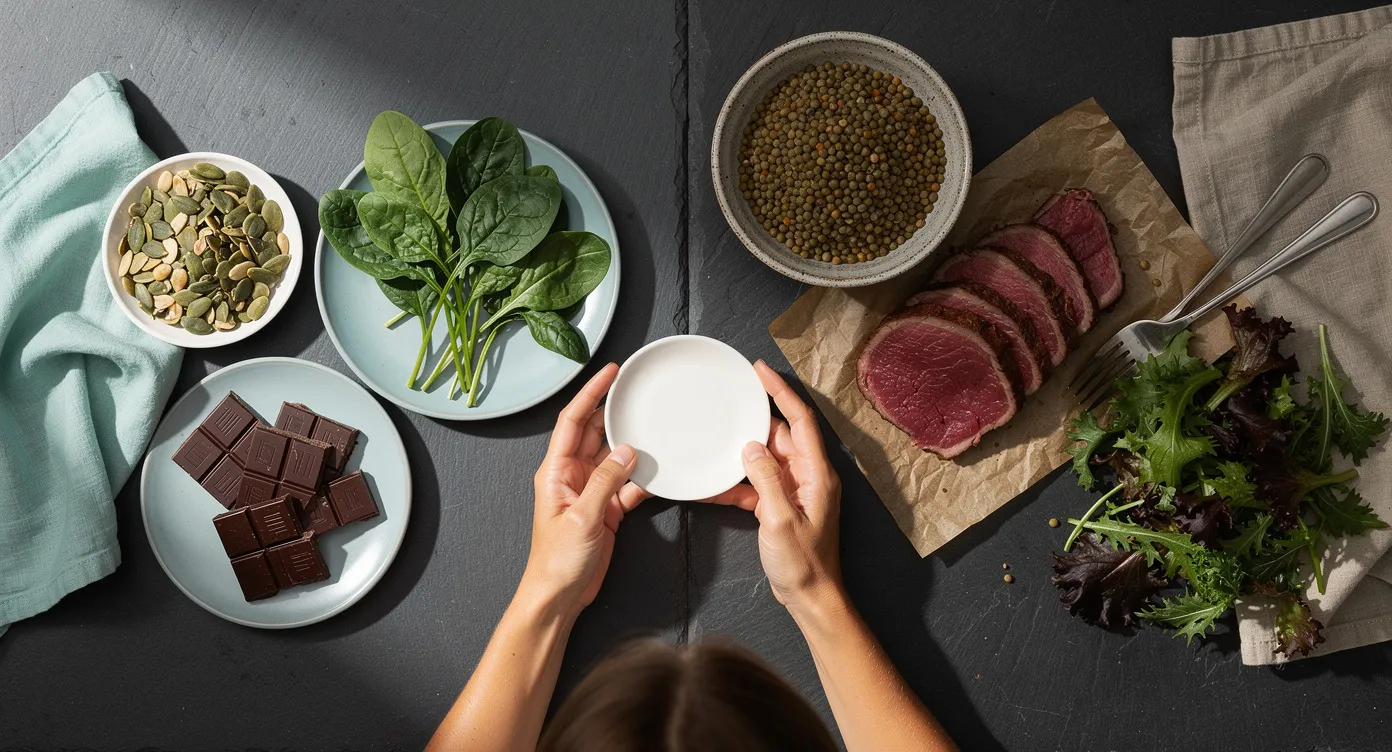
Sometimes, yes, though the popular idea that craving chocolate means you need magnesium is more myth than science. The clearest example is iron. People with iron deficiency sometimes develop pica, a craving for non-food items like ice, dirt, or clay. A strong, persistent urge to crunch ice in particular is a recognized flag for low iron and deserves a blood test. Low magnesium, low zinc, and certain vitamin deficiencies can also influence appetite and cravings, though the connections are subtler.
The important thing is that you can't reliably guess a deficiency from a craving alone. Craving salt could mean nothing, or it could point to dehydration, low sodium, or in rare cases an adrenal issue. This is where testing beats guessing. If your cravings are new, intense, or paired with symptoms like fatigue, hair loss, restless legs, or shortness of breath, that pattern is worth investigating properly. A visit to your Family Practice provider can sort out which cravings are just habit and which ones are your body flagging something real.
Concerned about your symptoms? Your NP can help.
Meet Our NPsHow to Stop Cravings Before They Start
You can't willpower your way out of a biological signal, but you can change the conditions that create it. The most effective move is to steady your blood sugar. Build meals around protein, fibre, and healthy fat so glucose rises and falls gently instead of spiking and crashing. A breakfast with eggs or Greek yogurt does far more to quiet afternoon cravings than a muffin ever will.
Sleep and stress are the next levers. Protecting seven to nine hours of sleep keeps your hunger hormones in balance, and finding a real outlet for stress lowers the cortisol that pushes you toward comfort food. Staying hydrated helps too, since thirst is often mistaken for hunger. When a craving does hit, giving it ten or fifteen minutes often lets it pass on its own. If cravings are relentless despite these changes, that's a signal to look deeper, especially if they're part of a larger picture like weight changes or an ongoing condition. For people managing diabetes or metabolic conditions, working through cravings is part of Chronic Disease Management, where your provider can connect the dots between your symptoms and your numbers over time.
If a nutrient issue turns up and you need supplements, get guidance first. Iron in particular can be hard on the stomach and interacts with other medications, so dosing should be as directed by your provider. If you're pregnant, breastfeeding, or planning a pregnancy, check with your provider before starting any new supplement or medication. If you take other medications, your provider can help you choose options that won't cause interactions.
When to See Your Nurse Practitioner
Cravings that are sudden, extreme, or paired with fatigue, thirst, hair loss, or an urge to eat ice deserve a proper look, since they can point to iron deficiency, thyroid issues, or blood-sugar problems. OHIP-covered walk-in clinics are one option, but if you can't find a family doctor in Toronto or want an unrushed appointment that starts on time with a provider who knows your history, Care& offers a membership-based alternative. You can learn more about the model on our How It Works page or review the details on our Membership Pricing page. Care& is not covered by OHIP.
Frequently Asked Questions
Why do I crave sugar at night specifically?
Evening sugar cravings usually come down to a day of blood-sugar swings, accumulated stress, and simple habit. If you undereat during the day or skip protein at meals, your body often demands quick energy after dinner. Poor sleep the night before makes it worse by disrupting your hunger hormones. Steadier meals and consistent sleep usually calm the nighttime pull.
Do children get food cravings for the same reasons as adults?
Kids experience cravings driven by blood sugar, sleep, and habit much like adults, but growth spurts and higher energy needs add another layer. A child who craves and crunches ice, or seems unusually tired, should be checked for iron deficiency. Management for children differs from adults, so speak with a provider about your child's specific needs. Care& offers Pediatric Care for families who want dedicated time to sort this out.
I can't find a family doctor in Toronto. Where can I get my cravings and bloodwork checked?
Finding a family doctor in Toronto can take years on a waitlist, which leaves a lot of people without timely care for exactly these questions. Care& is a Nurse Practitioner-led clinic where you get unrushed appointments with a dedicated NP who knows your history, plus on-site lab work to check iron, magnesium, and blood sugar. It's membership-based and not covered by OHIP, and it's an option for people who want continuity and time with the same provider at every visit.
Ready to prioritize your health?
Book an appointment with our experienced Nurse Practitioners today.
Book AppointmentOr call us at (647) 951-4770