In This Article
Why Summer Wrecks Your Sleep
Toronto summers are glorious in many ways, but they're surprisingly hard on sleep. In late June, the sun doesn't set until almost 9:15 p.m., and true darkness can hold off until well past 10 p.m. Meanwhile, overnight temperatures in the city often stay above 20°C, sometimes pushing into the high twenties during heat waves. Your body is caught between two forces that both work against restful sleep: too much light and too much warmth.
Most people think of insomnia as a winter problem, something tied to stress or seasonal mood changes. But sleep problems during summer are remarkably common. Research consistently shows that sleep duration dips in the warmer months across the Northern Hemisphere. The trouble is that because summer feels like such a positive season, people rarely connect their restless nights to the calendar. They blame stress, caffeine, or screens when the biggest disruptor might be the sun streaming through their west-facing bedroom window at 8:45 p.m.
Understanding the biology behind summer sleep problems is the first step to fixing them. And it really does come down to two things: light and temperature.
Long Days, Late Light, and Your Melatonin Clock
Your body's internal clock, known as the circadian rhythm, is primarily set by light exposure. When light enters your eyes, it signals the suprachiasmatic nucleus in your brain to suppress melatonin production. Melatonin is the hormone that makes you feel drowsy and prepares your body for sleep. In winter, melatonin starts rising in the late afternoon. In summer, it can be delayed by an hour or more simply because the sun is still up.
This shift happens gradually through spring, so you might not notice it at first. By mid-June, though, many Torontonians find themselves naturally staying up later, scrolling on their phones or binge-watching shows because they genuinely don't feel tired. The problem surfaces when the alarm goes off at 6:30 a.m. and you've only had five or six hours of sleep. Do that for a few weeks and you're dealing with a real sleep deficit.
The Weekend Catch-Up Trap
A lot of people try to compensate by sleeping in on weekends. While one extra hour can help, dramatically shifting your wake time by two or three hours on Saturday and Sunday actually makes things worse. It creates what sleep researchers call "social jet lag," where your circadian rhythm never fully stabilizes. Consistency matters more than total hours, and your body does better with a regular wake time seven days a week.
"Summer insomnia isn't about what you're doing wrong at bedtime. It's about what the sun and the heat are doing to your biology all day long."
How Heat Disrupts Deep Sleep
Your core body temperature naturally drops by about 1°C as you fall asleep. This drop is part of the mechanism that triggers sleep onset and helps you transition into the deeper, restorative stages of the sleep cycle. When your bedroom is too warm, your body struggles to shed that heat efficiently. The result isn't always that you can't fall asleep. Sometimes you fall asleep fine but wake up at 3 a.m. sweating and restless, unable to get back to the deep sleep your brain needs.
Toronto's urban heat island effect compounds the problem. If you live in a condo or apartment in the downtown core, nighttime temperatures inside can be significantly higher than what Environment Canada reports. Concrete, glass, and asphalt absorb heat during the day and release it slowly overnight. Older buildings without central air conditioning can become genuinely uncomfortable, and even buildings with AC can struggle during extended heat waves.
The ideal bedroom temperature for sleep is between 16°C and 19°C. That might sound cool, but your body genuinely sleeps better when the room is on the cooler side. If you can't get your bedroom that low, there are still meaningful steps you can take. And understanding how temperature affects your sleep architecture can motivate you to prioritize the adjustments that matter most.
Practical Tips for Sleeping Better in Summer
Control the Light
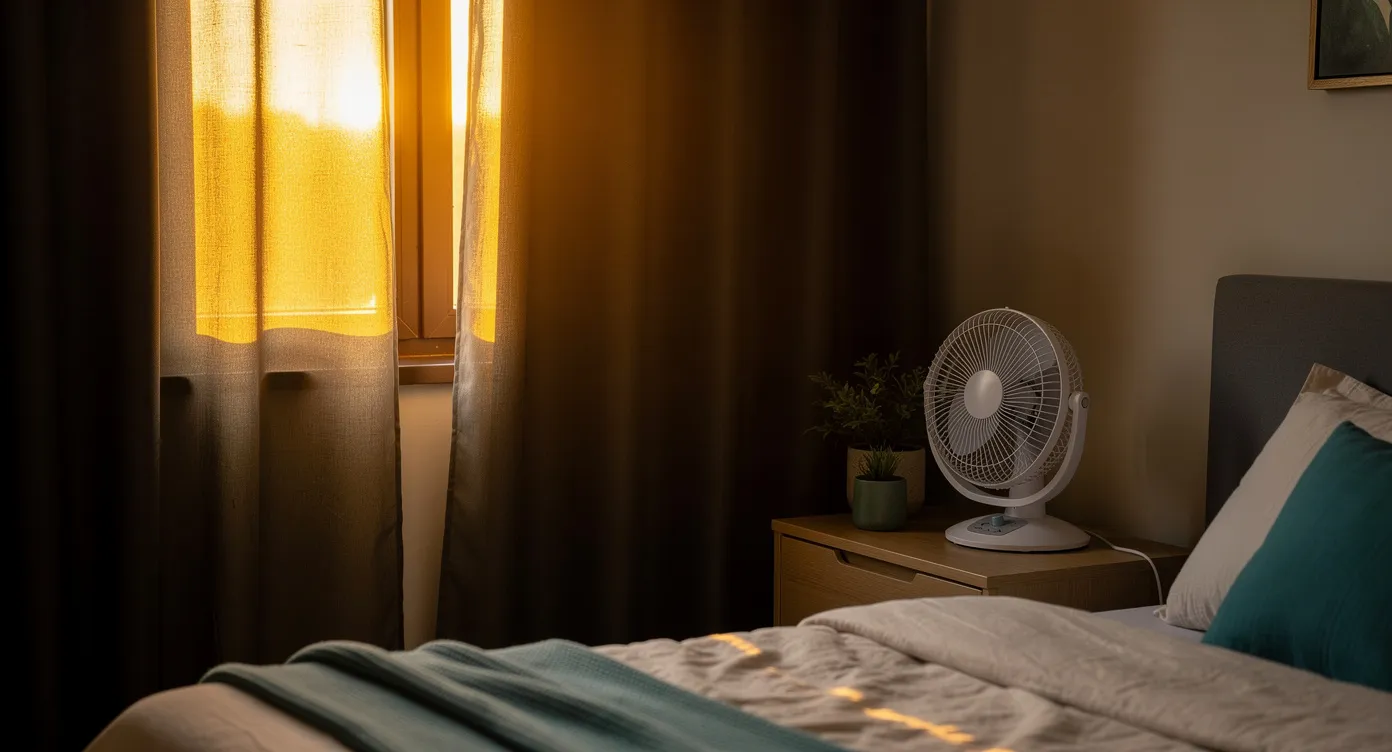
Blackout curtains are the single most effective investment you can make for summer sleep. They block the late-evening light that delays your melatonin production and prevent the early-morning sun from waking you before your alarm. If blackout curtains aren't an option, a good-quality sleep mask works almost as well. Look for one with a contoured design that doesn't press on your eyelids.
In the hour before bed, dim the lights in your home intentionally. This means switching overhead lights off and using a lamp, or lowering the brightness on screens. You've probably heard the "no screens before bed" advice many times, but the real issue is the brightness and the blue wavelength, not the screen itself. Turning brightness to its lowest setting and using a warm-tone filter can reduce the impact significantly if you're not ready to give up your evening reading.
Cool the Room (and Your Body)
If you have air conditioning, set it to around 18°C about 30 minutes before bed. If you don't, a fan pointed toward an open window can create a cross-breeze, and placing a shallow pan of ice in front of the fan adds a surprising amount of cooling power. Taking a lukewarm shower before bed also helps. Counterintuitively, the warm water dilates blood vessels near the surface of your skin, which actually helps your core temperature drop more quickly once you're in bed.
Breathable bedding makes a measurable difference too. Cotton or bamboo sheets wick moisture better than polyester blends. If you're sleeping on a memory foam mattress, consider a cooling mattress pad. Memory foam retains heat more than traditional innerspring mattresses, and that extra warmth can be enough to pull you out of deep sleep.
If summer insomnia is affecting your mood, focus, or energy, it's worth mentioning at your next visit with your Nurse Practitioner at Care&. Sleep issues and mental health are deeply connected, and your NP can help assess whether something more than environment is contributing to your restless nights.
Protect Your Routine
Summer's social calendar is one of its best features, but late patios and weekend barbecues can push your bedtime later and later. You don't need to skip the fun. Just try to keep your wake-up time within 30 minutes of its usual mark, even on weekends. This single habit does more for your circadian stability than any supplement or sleep gadget.
Alcohol is another sneaky summer sleep disruptor. A cold beer on a warm evening feels relaxing, but alcohol fragments your sleep in the second half of the night. You might fall asleep faster, but you'll wake up more often and spend less time in REM sleep. If you notice that your worst nights follow evenings with a few drinks, that connection is real and worth paying attention to.
Should You Take Melatonin in Summer?
Melatonin supplements are widely available in Canada and can be helpful for short-term use, particularly when your circadian rhythm has been thrown off by seasonal light changes. A low dose (0.5 mg to 3 mg) taken 30 to 60 minutes before your desired bedtime can help nudge your internal clock back on track. It's not a sedative. It works as a timing signal, telling your brain that it's time to prepare for sleep.
That said, melatonin isn't the answer for everyone. If your sleep problem is primarily heat-related, melatonin won't help much because the issue isn't timing but comfort. And if you're dealing with chronic insomnia that's been going on for more than a few weeks, relying on melatonin can mask an underlying issue that deserves a proper evaluation.
If you're pregnant, breastfeeding, or planning a pregnancy, check with your provider before starting melatonin or any new supplement. The same goes for children. Pediatric sleep management may differ from adult approaches, and a healthcare provider should guide any decisions about supplements for kids. If you take other medications, your provider can help you choose options that won't cause interactions.
Annual check-ups with your own NP, every year.
See Membership PricingWhen to See Your Nurse Practitioner
Most summer sleep disruptions respond well to the environmental and behavioral changes described above. But if you've been struggling to fall asleep or stay asleep for more than three or four weeks despite making those adjustments, it's time to talk to a healthcare provider. Persistent insomnia can be a sign of underlying conditions like thyroid imbalance, anxiety, depression, or sleep apnea. These are things that no amount of blackout curtains will fix.
You should also bring it up if your daytime functioning is noticeably impaired. Falling asleep at your desk, difficulty concentrating, increased irritability, or a pattern of relying on caffeine just to get through the afternoon are all signs that your sleep debt has crossed from inconvenience into health concern.
At Care& Family Health, your Nurse Practitioner can review your sleep patterns, check for contributing medical factors through Family Practice visits, and order lab work if needed. Sometimes a simple blood test reveals a treatable issue like low iron or a vitamin D imbalance that's compounding your summer sleep problems. If you don't currently have a family practice provider, Care& operates on a membership model ($450+HST per year for unlimited visits) that isn't covered by OHIP. It's designed for people who want consistent access to a provider who actually knows their history. You can also use Virtual Care to discuss sleep concerns from home.
Keep a simple sleep diary for one to two weeks before your appointment. Note your bedtime, approximate time to fall asleep, number of wake-ups, and wake time. This gives your NP at Care& concrete data to work with and makes the conversation much more productive. Learn more about how Care& works.
Frequently Asked Questions
Why can't I sleep when it's hot even though I feel tired?
Your body needs to lower its core temperature by about 1°C to initiate sleep. When the room is too warm, this cooling process is disrupted, preventing you from transitioning into deeper sleep stages. You feel tired because you are tired. Your body just can't complete the physical process of falling asleep efficiently in the heat.
Is it safe to take melatonin every night during the summer?
Melatonin is generally considered safe for short-term use in most adults. However, using it nightly for more than a few weeks without guidance from a healthcare provider isn't recommended. It can mask underlying sleep issues, and long-term effects aren't well studied. A low dose for a week or two to reset your schedule is a more targeted approach.
Do blackout curtains really make a difference for summer insomnia?
Yes. Blackout curtains are one of the most effective environmental changes for summer sleep problems. By blocking late-evening and early-morning light, they help your brain produce melatonin on its normal schedule rather than the delayed timeline that long summer days create. For many people, this single change is enough to restore consistent sleep.
I'm new to Toronto and don't have a family doctor. Where can I go for help with persistent sleep issues?
Care& Family Health is a Nurse Practitioner-led family practice with a clinic in Yorkville, Toronto. It doesn't require OHIP or a referral. Membership costs $450+HST per year and includes unlimited visits with the same NP, so you can build an ongoing relationship with a provider who understands your full health picture. It's a good option if you're looking for consistent, unhurried care while you settle into the city.
Ready to prioritize your health?
Book an appointment with our experienced Nurse Practitioners today.
Book AppointmentOr call us at (647) 951-4770