
In This Article
Why Preventive Screenings Matter More Than You Think
There's a common misconception that if you feel fine, you don't need to see a healthcare provider. But many of the conditions that cause the most harm in Canada, including cardiovascular disease, type 2 diabetes, and several cancers, develop silently for years before symptoms appear. By the time you notice something wrong, the window for early intervention may have narrowed considerably.
Preventive health screenings exist to catch these conditions early, when treatment is most effective and least invasive. Ontario has organized screening programs for breast, cervical, and colorectal cancers, but these programs only work if you know when you're eligible and actually follow through. A surprising number of Torontonians don't. According to provincial health data, screening participation rates for colorectal cancer remain well below target, and many adults haven't had their blood pressure or cholesterol checked in years.
The solution isn't to order every test available. Over-screening can lead to false positives, unnecessary procedures, and real anxiety. What you need is a provider who knows your personal and family history and can apply current evidence-based guidelines to determine exactly which tests make sense for you right now. That's what a thorough annual health check-up is designed to do. And it's the foundation of the care model at Care& Family Health, where your Nurse Practitioner takes the time to review your full screening schedule during every visit.
Ages 18–39: Building Your Health Baseline
If you're a younger adult, you might assume preventive screening is something for your parents to worry about. But your twenties and thirties are the ideal time to establish baseline measurements that your provider will compare against for decades to come. Think of this period as setting the reference points that make future screening meaningful.
Blood Pressure
Every adult should have their blood pressure checked at least every two years starting at age 18, and annually if readings are borderline (130–139/85–89 mmHg). High blood pressure has no symptoms in its early stages, and it's one of the leading risk factors for stroke and heart disease. If you have a family history of hypertension, your NP may recommend more frequent monitoring.
Cervical Cancer Screening
Ontario's cervical screening program recommends Pap tests every three years for anyone with a cervix, starting at age 25 (or 21 in some guidelines, depending on sexual history). The program is shifting toward HPV primary testing, which may change the interval. Your healthcare provider will help you understand which protocol applies to you. Don't wait for a reminder letter. Many people assume they're up to date when they're actually overdue.
STI Screening
Sexually active adults should be screened for chlamydia, gonorrhea, syphilis, and HIV based on risk factors. This isn't a one-time test. If you have new partners, your NP can help you determine the right frequency. STI screening is a normal, routine part of Family Practice, and a good provider will bring it up matter-of-factly.
Mental Health Check-Ins
While there's no single blood test for depression or anxiety, your annual physical should include a mental health screen. Mood disorders often emerge in young adulthood, and early identification leads to more effective management. Don't wait for a crisis to bring this up with your provider.
Care& members see the same Nurse Practitioner at every visit. That continuity means your NP already knows your family history, lifestyle, and previous results. They can spot trends in your health data over time, rather than starting from scratch each appointment. Learn more about how it works.
Ages 40–49: When Screening Gets Serious
Your forties are when screening schedules start to expand noticeably. Cardiovascular risk, metabolic conditions, and certain cancers become more relevant, and the screenings that catch them early become essential parts of your health checkup schedule.
Cardiovascular Risk Assessment
By age 40, every adult should have a formal cardiovascular risk assessment. This involves blood work (fasting lipids and glucose), blood pressure measurement, and a calculation that factors in your age, sex, smoking status, and family history. The Framingham Risk Score, commonly used in Canadian practice, estimates your ten-year risk of a cardiovascular event. Your NP will use this to decide whether lifestyle changes alone are sufficient or whether medication should be considered.
Diabetes Screening
Type 2 diabetes screening with fasting glucose or HbA1c should begin at age 40 and repeat every three years. If you have risk factors like obesity, a family history of diabetes, or are part of a higher-risk ethnic group (South Asian, Indigenous, African, or Hispanic descent), screening should start earlier and happen more frequently. Toronto's incredible diversity means many residents carry risk factors that warrant earlier testing, and a good provider will account for this.
Breast Cancer Screening
The Ontario Breast Screening Program recommends mammography every two years starting at age 50 for average-risk individuals. However, if you have a first-degree relative who was diagnosed with breast cancer, or other significant risk factors, your healthcare provider may recommend starting screening mammograms in your forties. This is a conversation worth having with your NP well before age 50.
"The right screening at the right age can catch a problem years before it becomes dangerous. The wrong screening at the wrong time can create anxiety over nothing."
Eye and Dental Health
While not part of a standard annual physical, your provider should ask about your last eye exam and dental visit. The Canadian Association of Optometrists recommends comprehensive eye exams every two years for adults aged 20–64, and annually after 65. Glaucoma screening becomes increasingly relevant from your forties onward, especially if you have a family history.
Ages 50 and Beyond: Staying Ahead of Risk
After 50, your screening schedule reaches its most active phase. This is also the age range where screening has the strongest evidence for saving lives, particularly for colorectal cancer and cardiovascular disease. If you've been putting off a proper health assessment, now is the time to catch up.
Colorectal Cancer Screening
Starting at age 50, every adult should be screened for colorectal cancer. Ontario's program uses the fecal immunochemical test (FIT), a simple at-home stool test done every two years. If the result is positive, you'll be referred for a colonoscopy. If you have a strong family history of colorectal cancer (a first-degree relative who was diagnosed before age 60), your provider may recommend colonoscopy directly, starting at age 40 or ten years before the age your relative was found to have cancer, whichever comes first.
Breast and Prostate Considerations
Mammography every two years is standard for people aged 50–74 at average risk. Beyond 74, the decision to continue screening should be individualized based on your overall health and life expectancy. For prostate cancer, the Canadian Task Force on Preventive Health Care does not recommend routine PSA screening for average-risk individuals, as the evidence shows more potential for harm than benefit in the general population. However, if you have a strong family history or are of African descent, a conversation with your NP about the risks and benefits of PSA testing is appropriate.
Bone Density
Osteoporosis screening with a DEXA scan is recommended for all women aged 65 and older, and for men aged 70 and older. If you have risk factors like long-term corticosteroid use, low body weight, smoking, or a history of fragility fractures, screening should start earlier. Falls and fractures in older adults can be life-altering, and early identification of bone loss allows for preventive treatment.
Abdominal Aortic Aneurysm
Men aged 65–80 who have ever smoked should have a one-time abdominal ultrasound to screen for abdominal aortic aneurysm. This is a potentially fatal condition that is easily detected with imaging and can be monitored or treated before rupture. It's one of those screenings that many people have never heard of, but it can be lifesaving.
If you're managing ongoing conditions like high blood pressure, diabetes, or elevated cholesterol, your screening needs become more tailored. At Care& Family Health, Chronic Disease Management is a core part of what NPs do, and your provider will adjust your screening schedule based on how your condition is progressing.
Some symptoms should never wait for a scheduled screening. Call 911 or go to the nearest emergency department for sudden chest pain or pressure, sudden weakness or numbness on one side of your body, difficulty speaking, sudden severe headache unlike any you've had before, or coughing up blood. These may indicate a stroke, heart attack, or other urgent condition where minutes matter.
When to Get Blood Work Done
One of the most common questions people ask is how often they need blood work. The answer depends entirely on your age, risk factors, and what's being tested. There is no single "annual blood panel" that applies to everyone, despite what you may have seen on wellness websites.
For most adults under 40 with no risk factors, blood work every three to five years is sufficient. This typically includes fasting glucose, lipid profile, and basic metabolic markers. Starting at 40, fasting glucose and lipids should be checked at least every three years as part of your cardiovascular risk assessment. If you're on medications for cholesterol, blood pressure, thyroid conditions, or diabetes, your provider will order labs more frequently to monitor treatment effectiveness and watch for side effects.
Complete blood count (CBC), kidney and liver function tests, and thyroid panels aren't recommended as routine annual screening for everyone. Your NP will order these when there's a clinical reason. Requesting "everything" without indication often leads to incidental findings that require follow-up testing, causing unnecessary worry and cost. Evidence-based blood work means testing with purpose, not testing for reassurance.
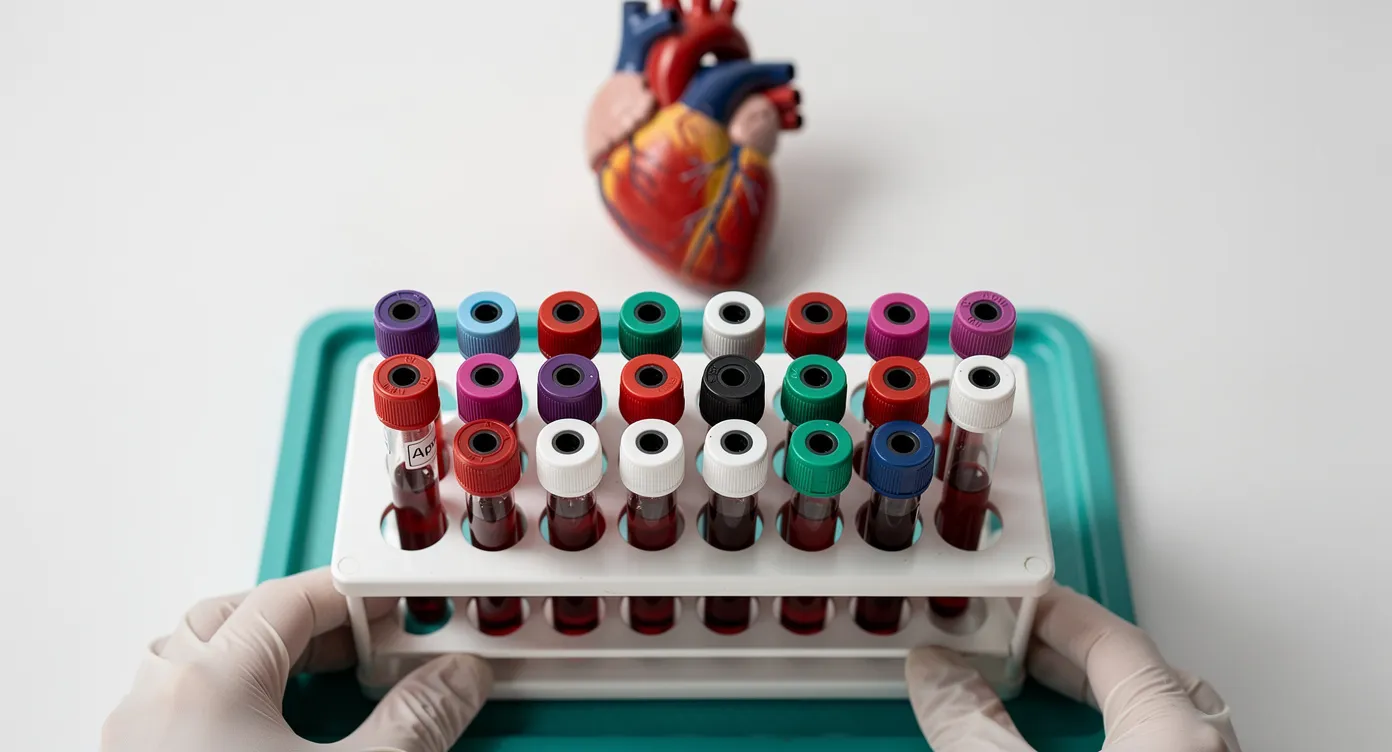
Care& has on-premise lab facilities at its Yorkville clinic, so you can often have your blood drawn at the same visit where your NP orders the test. Results are available through the Care& app (app.careand.ca), and your Nurse Practitioner will review them with you, either in person, by phone, or by video.
If you're pregnant, breastfeeding, or planning a pregnancy, your screening needs shift significantly. Prenatal blood work includes additional tests like blood type, rubella immunity, hepatitis B, and gestational diabetes screening. Your provider will walk you through the full schedule based on your trimester. Pediatric screening schedules are also distinct from adult guidelines, so if you have children, make sure they're being assessed according to age-appropriate recommendations.
Annual check-ups with your own NP, every year.
See Membership PricingWhen to See Your Nurse Practitioner
If it's been more than a year since your last thorough health assessment, that's reason enough to book an appointment. If you've recently turned 40, 50, or 65, you're likely entering a new phase of screening recommendations, and a comprehensive visit will help you understand what's changed. If you have a new family history development, like a parent or sibling being found to have cancer, diabetes, or heart disease, your screening schedule may need to be updated immediately.
If you have an OHIP family practice, your family provider can handle most of these screenings. The challenge many Toronto residents face is that their OHIP provider is booked weeks or months out, appointments are rushed to 10 minutes, and there isn't time for a thorough preventive review. Others have lost their family provider entirely and are on a waitlist for a new one, with no clear timeline.
Care& Family Health exists for people in exactly these situations. The membership model (not covered by OHIP, $450+HST per year for unlimited visits) is designed for adults who want unrushed appointments with a dedicated Nurse Practitioner who knows their history. Whether you're catching up on years of missed screening or staying current with your annual physical in Toronto, your NP at Care& will build a personalized screening plan and follow through on every result. You can meet our NPs to find the right fit.
Frequently Asked Questions
Do I really need an annual physical if I feel healthy?
Yes. Many serious conditions, including high blood pressure, high cholesterol, prediabetes, and early-stage cancers, produce no symptoms at all in their early stages. An annual physical isn't about treating what hurts. It's about catching what's developing silently so you can act before it becomes harder to manage.
What blood tests should I ask for at my annual check-up?
Rather than requesting specific tests, tell your provider about your family history, lifestyle, and any symptoms or concerns. They'll determine which tests are appropriate based on current guidelines and your risk profile. For most adults over 40, this includes fasting glucose and lipid panel at minimum. Additional tests depend on your individual situation.
Are cancer screening guidelines the same across all of Canada?
Not exactly. While the Canadian Task Force on Preventive Health Care provides national recommendations, each province runs its own screening programs. Ontario has organized programs for breast, cervical, and colorectal cancer, each with specific eligibility criteria and recall systems. Your healthcare provider should follow the most current provincial guidelines while also considering national evidence.
Can I be screened too often or for too many things?
Yes. Over-screening is a real concern. Tests done without clinical indication can produce false-positive results, leading to follow-up biopsies, imaging, and significant anxiety. For example, routine PSA testing for average-risk men and annual chest X-rays for non-smokers are not recommended by most guideline bodies because the harms outweigh the benefits in those populations.
How often should I get a check-up if I don't have a family practice provider?
You should still aim for at least one thorough health assessment per year. If you're currently unattached, Care& Family Health offers a membership-based model that gives you a dedicated Nurse Practitioner for ongoing care. Because Care& isn't covered by OHIP, there's no waitlist to get attached. Your NP will establish a screening plan at your first visit and track your results over time through the Care& app, so nothing falls through the cracks.
Ready to prioritize your health?
Book an appointment with our experienced Nurse Practitioners today.
Book AppointmentOr call us at (647) 951-4770