How Do You Treat a Poison Ivy Rash?
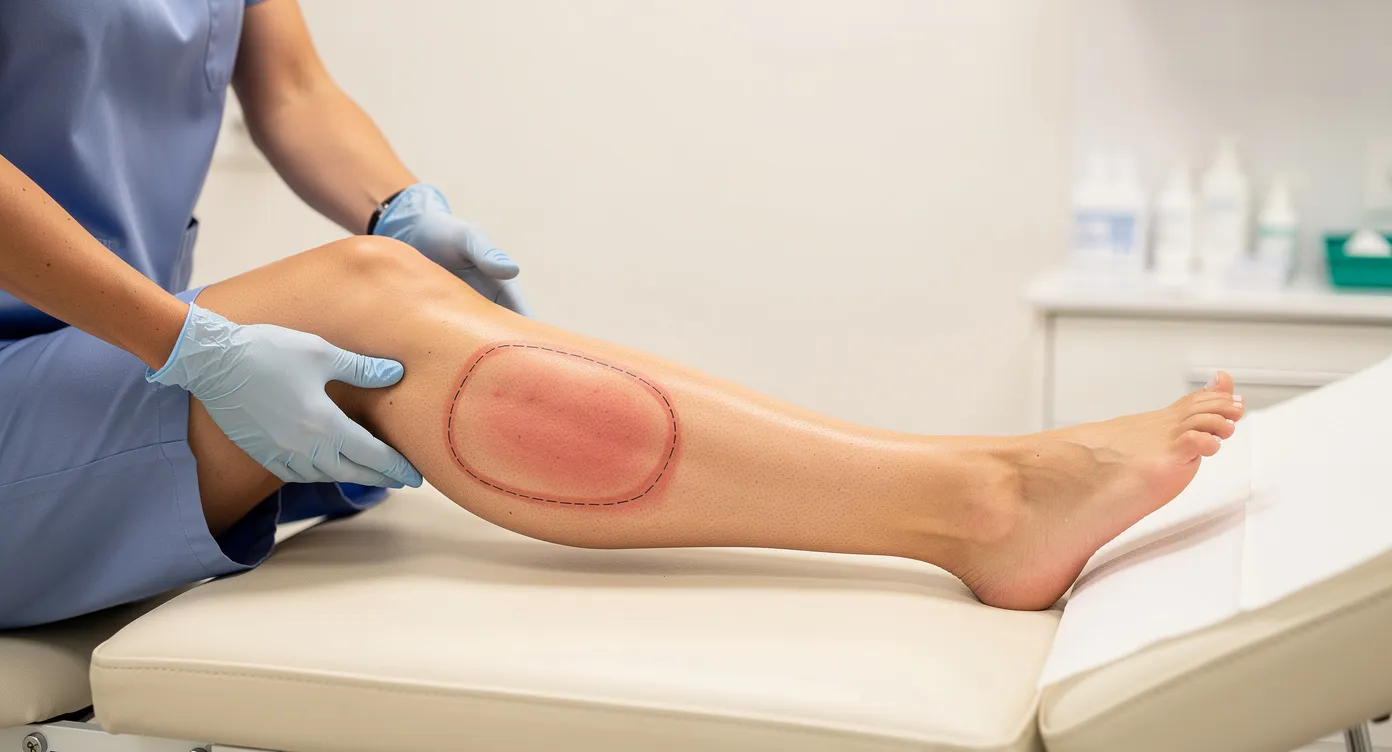
The rash comes from urushiol, an oily resin found in poison ivy, poison oak, and poison sumac. Within minutes of contact, urushiol binds to your skin, which is why washing quickly matters. If you can rinse the area with soap and cool water within the first hour or two of exposure, you may prevent or reduce the reaction. After that window, the resin has already triggered your immune system, and treatment shifts to managing the itch and inflammation while your body clears the reaction.
For a mild to moderate rash, home care is usually enough. Cool compresses several times a day calm the burning. An over-the-counter hydrocortisone cream reduces inflammation, and calamine lotion or colloidal oatmeal baths help with the itch. Oral antihistamines can make you more comfortable, especially at night when the itching tends to peak. Try hard not to scratch. Broken skin invites bacterial infection, and scratching won't spread the rash itself, though it can prolong your discomfort.
One reassuring fact worth remembering. Poison ivy is not contagious from person to person, and the fluid inside the blisters does not spread it. New patches that appear over a few days usually reflect areas that got a heavier dose of urushiol or thinner skin that reacted more slowly, not the rash migrating across your body.
What Actually Stops the Itch
The itch of poison ivy can be relentless, and people often reach for whatever is in the medicine cabinet. Topical hydrocortisone at drugstore strength helps mild cases, but it's often too weak for a widespread or intensely inflamed rash. Cold, not hot, is your friend. Heat opens blood vessels and makes the itch worse. If you're pregnant, breastfeeding, or planning a pregnancy, check with your provider before starting any new medication, including oral antihistamines and stronger topical steroids.
When a rash needs prescription-strength treatment, a Care& Nurse Practitioner can assess it during your visit and send a prescription to your pharmacy with a single click through the Care& app. No separate follow-up call, no chasing down a script later.
How Long Does Poison Ivy Last?
A typical poison ivy rash lasts one to three weeks. Mild cases often settle within a week to ten days. More severe reactions, especially in people who are highly sensitive to urushiol, can linger for three weeks or longer. The blisters usually crust and dry out over the second week, and the skin gradually returns to normal after that, sometimes with temporary discoloration.
The timeline can feel longer than it is because new patches keep surfacing. If you touched a contaminated garden tool, shoe, or dog, and then handled other parts of your body before washing, you can re-expose yourself days later. This is why cleaning gear, clothing, and pets after a hike matters as much as washing your own skin. Urushiol can stay active on surfaces for a long time, sometimes months, if it isn't cleaned off.
If your rash isn't improving after a week, is getting worse instead of better, or covers a large portion of your body, that's a signal to have it looked at. A stronger prescription treatment can shorten the course and bring real relief. Managing a stubborn skin reaction is exactly the kind of everyday health concern a Family Practice provider handles routinely.
When Poison Ivy Needs Medical Care
Most poison ivy heals on its own, but certain situations call for professional assessment. A rash on your face, eyes, mouth, or genitals deserves prompt attention because swelling in these areas can cause complications. The same is true for a rash covering a large area of your body, roughly more than a quarter of your skin, or blisters that are extensive and weeping.
Signs of a secondary bacterial infection are another reason to be seen. Watch for increasing redness, warmth, swelling, pus, red streaks spreading from the rash, or a fever. These suggest the skin barrier has been breached and may need an antibiotic alongside treatment for the rash itself. If you take other medications, your provider can help you choose options that won't cause interactions.
If you have trouble breathing or swallowing, swelling of the face or throat, or widespread hives after exposure, this can signal a severe allergic reaction. Call 911 immediately. If you carry an epinephrine auto-injector (EpiPen), use it immediately and then call 911. This is most relevant if poison ivy was burned and the smoke was inhaled, which can affect the airway and lungs.
For a rash that's severe but not an emergency, a prescription oral corticosteroid or a stronger topical steroid can make a significant difference. Your Nurse Practitioner can evaluate the rash, rule out infection, and prescribe the right treatment during the same visit. Children's skin reacts differently and pediatric dosing varies, so a rash on a young child is worth having assessed rather than treated with adult products at home. Care& offers Pediatric Care for exactly these kinds of concerns.
Concerned about your symptoms? Your NP can help.
Meet Our NPsWhen to See Your Nurse Practitioner
If your rash is spreading, involves your face or a large area, shows signs of infection, or simply isn't improving after a week of home care, it's time to have it assessed. OHIP-covered walk-in clinics are one option, though they often mean a long wait and a provider who doesn't know your history. Care& is not covered by OHIP and runs on a membership model for people who want unrushed appointments that start on time with the same Nurse Practitioner each visit. For anyone managing ongoing skin issues alongside other conditions, that continuity carries over into Chronic Disease Management too.
Frequently Asked Questions
Can poison ivy spread to other people?
No. The rash itself is not contagious, and the fluid inside the blisters cannot spread it. What can transfer to another person is the urushiol resin if it's still on your skin, clothing, or gear before washing. Once you've washed the oil off, there's nothing left to pass along.
Should I pop the blisters?
No. Leaving blisters intact protects the raw skin underneath and lowers the risk of bacterial infection. If a blister breaks on its own, keep the area clean and covered with a light dressing. Popping them deliberately only opens the door to infection and slows healing.
What if I can't find a family doctor in Toronto?
Many Toronto residents are on years-long waitlists for a family doctor, which leaves everyday concerns like a spreading rash falling to crowded walk-in clinics. Care& offers an alternative for people who want timely, unrushed appointments with a dedicated Nurse Practitioner who knows their history. It's a membership model not covered by OHIP, with a clinic in Yorkville.
Ready to prioritize your health?
Book an appointment with our experienced Nurse Practitioners today.
Book AppointmentOr call us at (647) 951-4770