
In This Article
Why Male Pelvic Pain Gets Overlooked
Chronic pelvic pain affects an estimated 10 to 15 percent of men at some point in their lives, yet it remains one of the least discussed conditions in men's health. Part of the problem is cultural. Men are often reluctant to bring up symptoms involving the pelvis, groin, or genitals, especially when those symptoms are vague or hard to pinpoint. Many put off seeking care for months or even years, hoping things will resolve on their own.
The other part of the problem is medical. When men do bring up pelvic pain, the conversation tends to default immediately to the prostate. And while the prostate is certainly one possible cause, this narrow focus means other conditions get missed. Pelvic floor muscle dysfunction, pudendal nerve irritation, bladder conditions, and musculoskeletal issues can all produce nearly identical symptoms. Without a thorough history and examination, it's easy to end up with a vague diagnosis and a prescription that doesn't actually address what's going on.
Toronto men searching for answers about groin pain or chronic pelvic discomfort deserve more than a five-minute appointment and a quick antibiotics prescription. They deserve a provider who will sit down, listen to the full story, and systematically consider all the possibilities. That's the kind of Family Practice that actually gets results for complex, sensitive conditions like this.
Causes of Male Pelvic Pain Beyond the Prostate
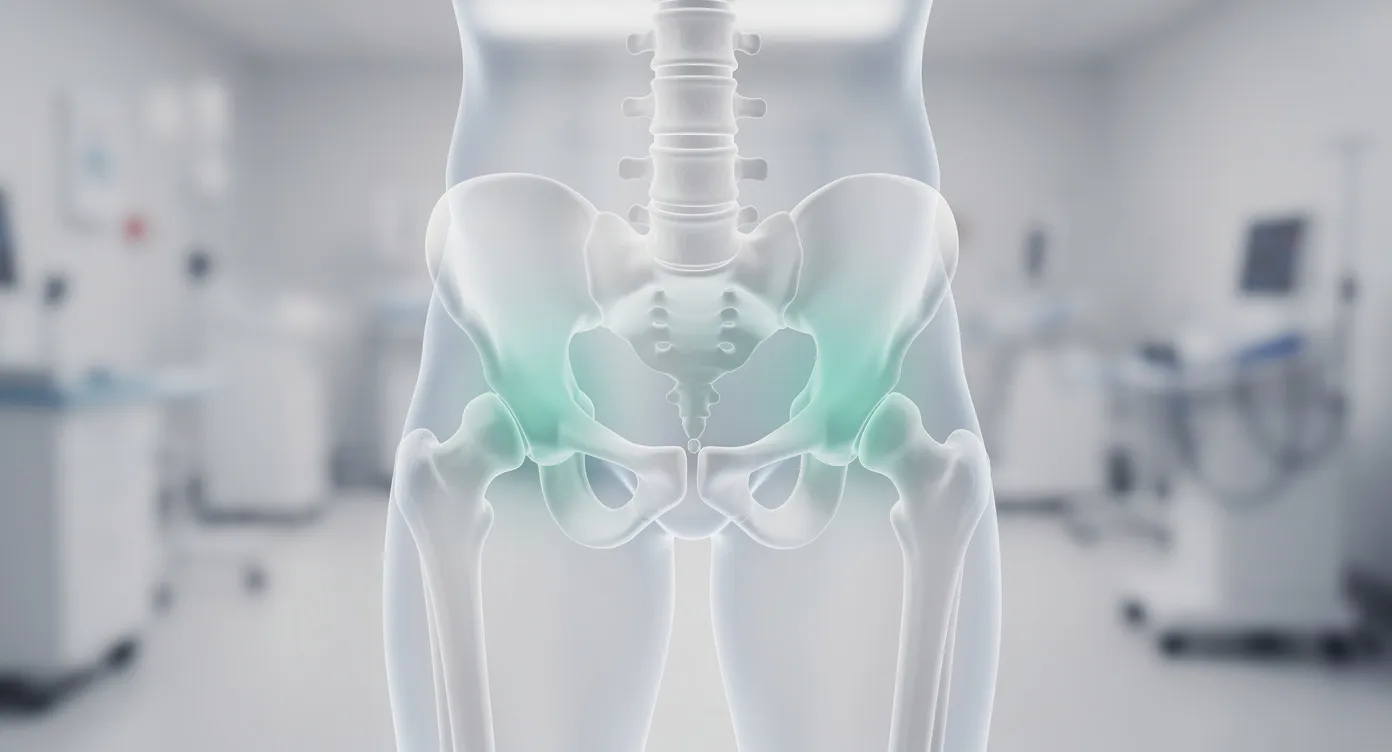
When you hear "male pelvic pain," your mind probably goes straight to the prostate. But the pelvis is a complex region containing muscles, nerves, bones, joints, the bladder, the rectum, and the lower intestines. Pain in this area can originate from any of these structures, and often from more than one at the same time.
Musculoskeletal Sources
The hip joints, sacroiliac joints, and lower lumbar spine can all refer pain into the groin and pelvic region. Men who sit for long periods at work, cycle regularly, or have a history of lower back injury are particularly prone to this kind of referred pain. It can feel deep, achy, and hard to localize. Sometimes it worsens with certain positions or after prolonged sitting. A provider who examines the hips and spine alongside the pelvic organs can often identify these musculoskeletal contributors.
Nerve-Related Pain
Pudendal neuralgia is a condition where the pudendal nerve, which runs through the pelvis, becomes compressed or irritated. This can cause burning, stabbing, or aching pain in the perineum, the area between the scrotum and the anus. The pain typically worsens with sitting and improves when standing or lying down. It's often misdiagnosed as prostatitis because the location of the discomfort is so similar. Inguinal nerve entrapment, sometimes occurring after hernia repair surgery, is another nerve-related cause of groin pain in men that frequently goes unrecognized.
Bladder and Urinary Causes
Interstitial cystitis, also called painful bladder syndrome, isn't just a women's condition. It affects men too, causing pelvic pressure, urinary urgency, and discomfort that can mimic prostatitis symptoms almost exactly. Chronic urinary tract infections, bladder stones, and urethral strictures can also present as pelvic pain. Urinary symptoms don't always mean the prostate is involved.
Gastrointestinal Causes
Irritable bowel syndrome, chronic constipation, and inflammatory bowel conditions can all cause lower abdominal and pelvic pain. The rectum sits directly behind the prostate, so rectal inflammation or spasm can feel remarkably like prostate pain. Men who notice their pelvic pain worsening with bowel movements or dietary changes should mention this to their healthcare provider. It's a clue that the GI tract might be contributing.
"The pelvis is where muscles, nerves, organs, and bones all converge. When pain shows up here, a single-organ approach almost never tells the full story."
Prostatitis: What It Actually Means
Prostatitis is one of the most common diagnoses given to men with pelvic pain, but the term itself can be misleading. There are actually four categories of prostatitis, and only one of them involves an active bacterial infection of the prostate gland. Acute bacterial prostatitis causes fever, chills, and severe pain. It's unmistakable and relatively straightforward to treat with antibiotics.
The vast majority of men diagnosed with prostatitis actually have what's called chronic prostatitis/chronic pelvic pain syndrome, or CP/CPPS. Despite the name, research has shown that many of these men have no evidence of prostate inflammation at all. The condition is better understood as a chronic pain syndrome involving the pelvic floor muscles and nervous system rather than a true infection or inflammation of the prostate. This distinction matters enormously because it changes the entire treatment approach. Antibiotics won't help if bacteria aren't the problem.
If you've been diagnosed with prostatitis and your symptoms haven't improved with one or more courses of antibiotics, it's worth asking whether your pain might actually be coming from the pelvic floor, the nerves, or another structure entirely. A Nurse Practitioner who takes time to review your full history can help reframe the diagnosis and redirect treatment. At Care&, appointments aren't rushed, which gives your NP the space to explore these possibilities with you.
Pelvic Floor Dysfunction in Men
The pelvic floor is a group of muscles that stretches like a hammock across the bottom of the pelvis, supporting the bladder, rectum, and other organs. Most people associate pelvic floor problems with women, but men have these muscles too. And they can become just as dysfunctional.
Pelvic floor dysfunction in men typically involves muscles that are chronically tight and in spasm rather than weak. This hypertonic state can cause a dull ache in the perineum, pain at the tip of the penis, discomfort during or after ejaculation, urinary hesitancy, and a feeling of incomplete bladder emptying. Stress, anxiety, prolonged sitting, heavy lifting, and even habitual postures can contribute to pelvic floor tension over time.
The connection between stress and pelvic floor dysfunction is particularly strong. Many men unconsciously clench their pelvic floor muscles during periods of high stress, similar to how others clench their jaw or tighten their shoulders. Over months and years, this chronic tension can become a persistent pain pattern. Understanding this connection is often the first step toward relief.
How Pelvic Floor Dysfunction Is Managed
Treatment for pelvic floor dysfunction in men typically involves pelvic floor physiotherapy with a trained therapist who specializes in this area. Unlike the Kegel exercises often recommended for women, treatment for hypertonic pelvic floors focuses on relaxation, stretching, and release techniques. Some men benefit from biofeedback, which uses sensors to help you learn to relax muscles you didn't even realize you were tensing.
Your healthcare provider may also recommend stress management strategies, modifications to exercise routines, and warm baths or heat therapy. In some cases, low-dose muscle relaxants or medications that target nerve pain can be helpful alongside physiotherapy. If you're pregnant, breastfeeding, or planning a pregnancy (relevant if your partner is), check with your provider before starting any new medication. If you take other medications, your provider can help you choose options that won't cause interactions.
Care& members can book same-day appointments through the Care& app at app.careand.ca, making it easy to get in quickly when symptoms flare. Your dedicated Nurse Practitioner already knows your history, so you won't have to retell your story from scratch every time.
How Male Pelvic Pain Is Diagnosed and Treated
Diagnosing chronic pelvic pain in men requires patience and a systematic approach. There's no single test that identifies the cause. Instead, your provider will piece together clues from your history, a physical examination, and targeted investigations.
The Assessment Process
A thorough assessment starts with a detailed conversation about your symptoms. When did the pain start? What makes it better or worse? Does it change with urination, bowel movements, ejaculation, sitting, or exercise? Is there associated urinary urgency or frequency? These details help your Nurse Practitioner narrow down which structures are most likely involved.
Physical examination may include an abdominal exam, assessment of the lower back and hips, and a digital rectal exam to evaluate the prostate and pelvic floor muscles. Lab work, including urinalysis and prostate-specific antigen (PSA) testing when appropriate, can help rule out infection and other conditions. Depending on findings, your provider might also order imaging or refer you for further evaluation.
Care& Family Health offers on-premise lab work at its Yorkville clinic, so you can have blood and urine tests done the same day as your appointment. No separate trip to an outside lab needed.
Treatment Approaches
Treatment for male pelvic pain depends entirely on the underlying cause, which is why accurate diagnosis matters so much. For bacterial prostatitis, antibiotics remain the standard of care. For pelvic floor dysfunction, the primary treatment is physiotherapy. Nerve-related pain may respond to medications like gabapentin or pregabalin, nerve blocks, or specialized physiotherapy. Bladder-related conditions have their own targeted treatments.
Many men with chronic pelvic pain benefit from a multimodal approach that addresses several contributing factors at once. This might include pelvic floor physiotherapy, stress reduction techniques, dietary modifications, appropriate medications, and regular follow-up to track progress. Chronic Disease Management is an area where having consistent follow-up with the same provider makes a real difference in outcomes. Conditions like CP/CPPS often take weeks or months to improve, and having a provider who tracks your progress over time helps ensure the treatment plan is actually working.
Go to your nearest emergency department or call 911 if you experience sudden, severe pelvic or testicular pain (which could indicate testicular torsion), fever with chills and inability to urinate (signs of acute bacterial prostatitis or urinary retention), blood in your urine accompanied by severe pain, or pelvic pain following trauma. Testicular torsion is a surgical emergency where every hour counts.
Want to learn more about how Care& works?
See How It WorksWhen to See Your Nurse Practitioner
You should book an appointment if pelvic, groin, or perineal pain has persisted for more than a few weeks. The same applies if you're experiencing urinary symptoms like urgency, frequency, or difficulty starting your stream alongside the pain. Pain during or after ejaculation, discomfort that worsens with sitting, and a general feeling that something isn't right in the pelvic area are all valid reasons to seek care. Don't wait for symptoms to become unbearable.
If you have an OHIP-covered family doctor, they can certainly begin the workup. However, many Toronto residents find it difficult to get timely appointments or enough face time for a complex condition like chronic pelvic pain. Five to ten minutes often isn't enough to discuss sensitive symptoms, take a thorough history, and develop a thoughtful plan. That's where Care& Family Health fills an important gap. Our membership model gives you unlimited visits with the same Nurse Practitioner, so you can take the time you need. Appointments start on time, aren't rushed, and you'll never feel like you're being hurried out the door.
For men without a family doctor in Toronto, Care& has a convenient clinic in Yorkville. Membership is $450+HST per year for unlimited visits, or you can come in on a pay-per-visit basis at $100 per appointment. Either way, you'll get a dedicated NP who takes your concerns seriously and follows up consistently.
While pelvic pain primarily affects adults, adolescent boys can occasionally experience pelvic floor issues or referred pain from musculoskeletal causes. Pediatric management differs, so if your teen is experiencing these symptoms, consult a provider experienced in Pediatric Care for age-appropriate evaluation.
Frequently Asked Questions
Can chronic pelvic pain in men go away on its own?
Acute episodes sometimes resolve without treatment, but chronic pelvic pain that has lasted more than three months is unlikely to disappear on its own. Most men need some combination of physiotherapy, lifestyle changes, and sometimes medication to see meaningful improvement. The sooner you start a proper evaluation, the sooner you can begin targeted treatment.
Is chronic pelvic pain a sign of prostate cancer?
Prostate cancer is rarely a cause of chronic pelvic pain, especially in younger men. Early prostate cancer typically causes no symptoms at all. That said, persistent pain always warrants proper evaluation to rule out serious conditions. Your provider can order a PSA test and perform an examination to put your mind at ease.
How long does it take to recover from chronic pelvic pain syndrome?
Recovery timelines vary widely depending on the underlying cause and how long the pain has been present. Many men notice improvement within six to twelve weeks of starting pelvic floor physiotherapy. Others take several months, particularly if multiple factors are contributing. Consistency with treatment and regular follow-up with your healthcare provider are the strongest predictors of a good outcome.
Does cycling cause pelvic pain in men?
Cycling can contribute to pelvic pain due to prolonged pressure on the perineum from the saddle. This pressure can irritate the pudendal nerve and compress pelvic floor structures. If you're an avid cyclist experiencing pelvic symptoms, a proper bike fit, a saddle with a center cutout, and periodic standing during rides can help reduce the strain. You don't necessarily have to give up cycling, but modifications are often needed.
I can't find a family doctor in Toronto. Where can I get help for pelvic pain?
You're not alone. Thousands of Torontonians are in the same situation. Care& Family Health is a Nurse Practitioner-led clinic in Yorkville that accepts new patients without a waitlist. Care& isn't covered by OHIP, but the membership model gives you unlimited visits with a dedicated NP who can thoroughly investigate your symptoms. You can learn more at How It Works or call (647) 951-4770 to get started.
Ready to prioritize your health?
Book an appointment with our experienced Nurse Practitioners today.
Book AppointmentOr call us at (647) 951-4770