
In This Article
How GLP-1 Medications Work
GLP-1 stands for glucagon-like peptide-1, a hormone your gut naturally releases after you eat. It does several useful things at once. It signals your pancreas to release insulin, slows how quickly food leaves your stomach, and tells your brain that you're full. Medications like semaglutide and tirzepatide are engineered to mimic this hormone, which is why they were originally developed to treat type 2 diabetes and later found to be effective for weight management.
The practical effect is that your appetite quiets down. Many people describe it as a reduction in the constant "food noise" that pulls them toward snacking or second helpings. You feel satisfied sooner, stay satisfied longer, and the mental preoccupation with food eases. That combination makes it easier to eat less without the white-knuckle willpower that most restrictive diets demand.
It helps to understand that these medications are not a shortcut around healthy habits. They work best alongside sensible nutrition, regular movement, and adequate sleep. Think of a GLP-1 as a tool that lowers the biological resistance your body puts up when you try to lose weight, not a replacement for the underlying lifestyle changes that keep the results durable.
Ozempic, Wegovy, and the Other Options
The names get confusing fast, partly because the same active ingredient shows up under different brand names for different approved uses. Ozempic and Wegovy are both semaglutide. Ozempic is approved in Canada to treat type 2 diabetes, while Wegovy is approved specifically for weight management. They are the same molecule at different dosing, which is why you'll hear both names in weight loss conversations even though only one carries the official weight indication.
There's also Rybelsus, an oral form of semaglutide taken as a daily pill rather than a weekly injection. And Mounjaro and Zepbound, both tirzepatide, work on two gut hormone pathways instead of one and have shown strong results in clinical trials. Availability of each product in Ontario shifts over time, and supply has been tight for certain brands, so the medication you start on may depend on what's accessible when you begin.
Injection versus pill
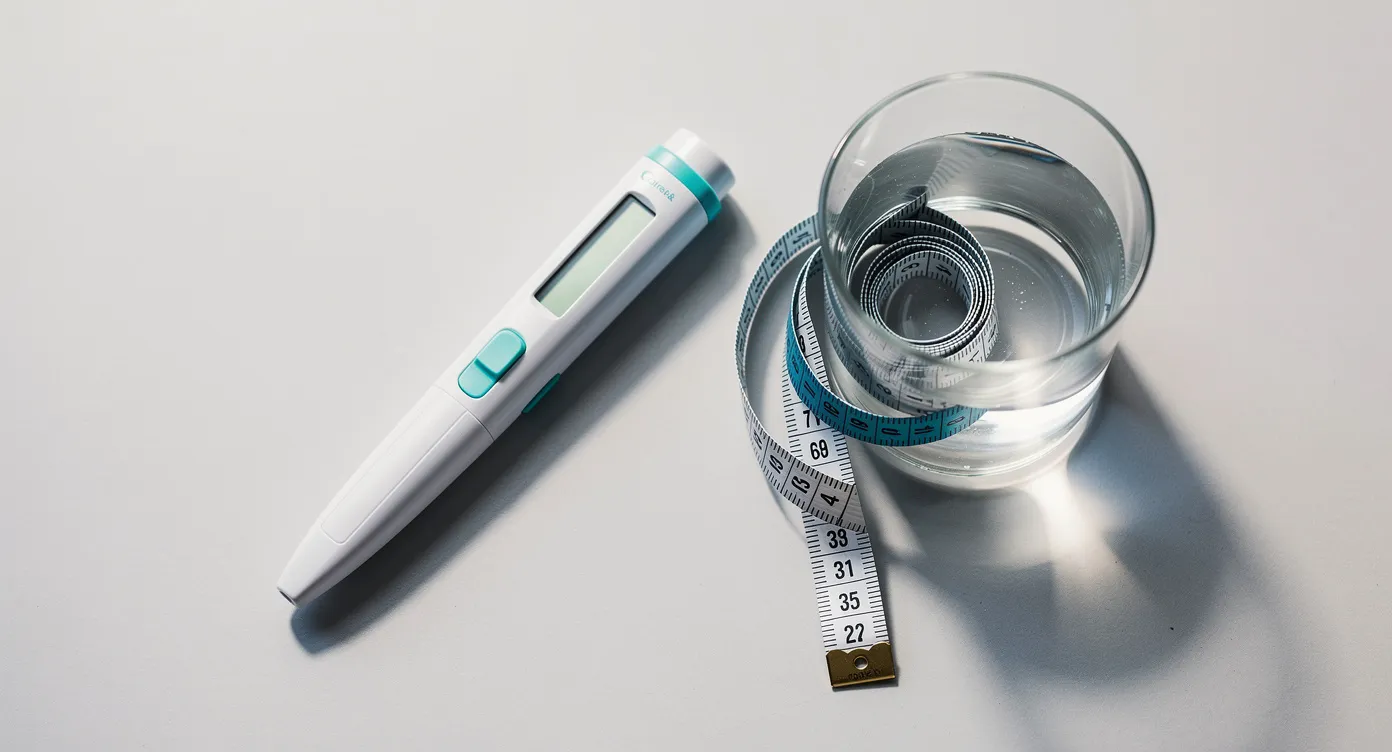
Most GLP-1 medications are self-administered once a week using a small pre-filled pen with a very fine needle. The injection goes into the fat just under the skin of your abdomen, thigh, or upper arm, and most people find it far less intimidating than they expected. The oral option appeals to anyone uneasy about needles, though it requires taking it on an empty stomach with specific timing. Your provider can walk you through the practical differences and help match a format to your routine.
"A GLP-1 lowers the biological resistance your body puts up when you try to lose weight. It doesn't replace the habits that keep the results."
Who Qualifies for GLP-1 Weight Loss Therapy
Eligibility isn't a matter of simply wanting to lose a few pounds before an event. Clinical guidelines generally point to GLP-1 therapy for adults with a body mass index of 30 or higher, or a BMI of 27 or higher when accompanied by a weight-related condition such as type 2 diabetes, high blood pressure, obstructive sleep apnea, or high cholesterol. BMI is an imperfect measure, so your provider will look at the fuller picture including your medical history, waist circumference, and overall metabolic health.
There are also situations where a GLP-1 isn't appropriate. A personal or family history of medullary thyroid cancer or a rare condition called multiple endocrine neoplasia type 2 rules these medications out. A history of pancreatitis, certain gastrointestinal disorders, or gallbladder disease calls for extra caution. This is exactly why a proper assessment matters before anyone hands you a prescription.
If you're pregnant, breastfeeding, or planning a pregnancy, check with your provider before starting any new medication. GLP-1 medications are not recommended during pregnancy, and guidance suggests stopping them well before trying to conceive. These are decisions to make together with a Nurse Practitioner who knows your full history rather than acting on general information alone.
GLP-1 therapy works best when bloodwork guides the plan. At Care&, lab work is done on-premise, and your results flow straight into the Care& app at app.careand.ca, so you and your Nurse Practitioner can track your metabolic markers over time without chasing paperwork between clinics.
What It Costs in Ontario
The medication itself is the main expense, and it's paid out of pocket unless you have private insurance that covers it. As a general range, semaglutide products in Ontario tend to cost somewhere in the neighbourhood of a few hundred dollars per month, with the exact figure depending on the brand, your dose, and the pharmacy. Ontario's public drug program covers certain GLP-1 medications for people with type 2 diabetes under specific criteria, but coverage for weight management alone is far more limited.
Many workplace and private drug plans do include some coverage, so it's worth checking your benefits before you assume you'll pay full price. Some plans require prior authorization, which means your provider submits documentation supporting the prescription. Beyond the drug, budget for the periodic bloodwork and follow-up visits that responsible GLP-1 care requires, since dosing is adjusted gradually and monitored over months rather than set once and forgotten.
On the appointment side, keep in mind that Care& operates on a membership model and is not covered by OHIP. Membership runs $450 plus HST per year for unlimited visits, or you can pay $100 per visit. That covers the assessment, prescribing, and ongoing monitoring, though not the medication or lab fees themselves. You can see the full breakdown on the membership pricing page.
Side Effects and Safety
The most common side effects are digestive. Nausea, diarrhea, constipation, and a feeling of fullness are frequently reported, especially in the early weeks and after each dose increase. These usually ease as your body adjusts, which is part of why the dose is stepped up slowly rather than started high. Eating smaller portions, avoiding greasy or very rich foods, and staying hydrated all help soften the transition.
Less common but more serious risks include pancreatitis, gallbladder problems, and dehydration from persistent vomiting. There's also growing attention to the loss of muscle mass alongside fat, which is why maintaining protein intake and resistance exercise matters throughout treatment. If you take other medications, your provider can help you choose options that won't cause interactions, and this is worth discussing carefully if you manage diabetes or blood pressure conditions that respond to weight change.
Ongoing monitoring is not optional with these medications. This kind of structured follow-up sits squarely within chronic disease management, where your provider tracks your response, adjusts the dose, and watches for warning signs over time. Pediatric use is a separate matter with its own criteria, so care for children and teens should always involve a provider who manages that age group specifically.
Severe, persistent abdominal pain that may radiate to your back, especially with vomiting, can signal pancreatitis and needs urgent evaluation. Seek emergency care right away for signs of a severe allergic reaction such as swelling of the face, lips, or throat, difficulty breathing, or a rapidly spreading rash. If you carry an epinephrine auto-injector (EpiPen), use it immediately and then call 911.
Wondering whether GLP-1 therapy is right for you? Your NP can assess and guide you.
Meet Our NPsGetting a Prescription Without a Family Doctor
In Ontario, Nurse Practitioners can assess your eligibility, prescribe GLP-1 medications, and monitor your progress, which matters given how many Torontonians are without a family doctor right now. You don't need an existing physician relationship to be evaluated properly. What you do need is a real assessment, because a safe prescription depends on your history, your current medications, and baseline lab work rather than a quick online form.
A typical path starts with a conversation about your goals and medical background, followed by bloodwork to establish a baseline. If a GLP-1 is appropriate, your provider prescribes a low starting dose and schedules follow-ups to increase it gradually and check how you're tolerating it. If you'd like to see how membership-based visits and prescribing work in practice, the how it works page lays out the steps, and prescription refills happen with a single tap in the Care& app rather than another round of phone tag.
Care& takes the same continuity-focused approach with other treatments that require assessment and monitoring, whether that's medical options for male pattern hair loss or accessing PrEP without a family doctor. The common thread is a dedicated Nurse Practitioner who knows your file and stays with you across visits rather than starting from scratch each time.
When to See Your Nurse Practitioner
If you're carrying excess weight that's affecting your health, or you've tried lifestyle changes and hit a plateau your body keeps defending, it's worth a proper conversation with a provider about whether GLP-1 therapy fits your situation. This is also the moment to review any existing conditions, since weight loss can change how medications for diabetes and blood pressure need to be dosed. A brief chat can save you from starting something that isn't right for your body.
An OHIP-covered family doctor is absolutely a valid route if you have one and can get a timely appointment. The reality in Toronto is that many people either don't have a family doctor or face long waits for the kind of unhurried visit that a weight management conversation deserves. Care& exists for exactly that gap. As a Nurse Practitioner-led family practice with a clinic in Yorkville, we offer unrushed appointments that start on time, on-premise lab work, and the same NP at every visit so your care actually builds on itself. Membership is not covered by OHIP, and that trade-off buys you continuity and time with a provider who knows your history.
Frequently Asked Questions
How much weight can you expect to lose on a GLP-1 medication?
Clinical trials of semaglutide and tirzepatide for weight management have shown average reductions in the range of roughly 15 to 20 percent of body weight over about a year, though individual results vary widely. Weight loss is gradual and depends heavily on pairing the medication with nutrition and activity changes. Your provider can set realistic expectations based on your starting point and health profile.
What happens if you stop taking the medication?
Because GLP-1 medications work by managing appetite while you take them, appetite often returns when you stop, and many people regain some or most of the weight over time. That's why these medications are generally considered a long-term treatment rather than a short course. Any decision to pause or stop should be made with your provider, who can help plan the transition and support the habits that maintain your results.
Do you need bloodwork before starting?
Yes. Baseline bloodwork helps establish your metabolic health, screen for conditions that affect eligibility, and give your provider a reference point to monitor as treatment continues. If you're unsure how to arrange testing on your own, it's worth reading up on getting bloodwork without a family doctor in Toronto. Skipping this step is one of the red flags of an unsafe prescribing service.
Is Ozempic safe if you don't have diabetes?
Semaglutide has been studied for weight management in people without diabetes, and Wegovy is the version approved for that use in Canada. Safety still depends on your individual health, medications, and history, which is why an assessment is essential rather than optional. A provider will screen for the conditions that make these medications inappropriate before prescribing.
Can you get assessed for GLP-1 therapy if you don't have a family doctor in Toronto?
Yes. You don't need an existing family doctor to be evaluated for weight loss medication in Ontario, since Nurse Practitioners can assess, prescribe, and monitor GLP-1 therapy. Care& is a membership-based option for people who want unrushed appointments with a dedicated NP who follows their progress over time. You can reach the team at (647) 951-4770 or helpdesk@careand.ca to learn how membership works.
Ready to prioritize your health?
Book an appointment with our experienced Nurse Practitioners today.
Book AppointmentOr call us at (647) 951-4770