In This Article
- Why Takeout Culture Costs More Than Money
- Meal Prep Basics That Actually Work on a Busy Schedule
- Building Balanced Meals Without a Nutrition Degree
- Batch Cooking Strategies for Sunday Afternoon
- Common Meal Prep Pitfalls and How to Avoid Them
- When to See Your Nurse Practitioner
- Frequently Asked Questions
Why Takeout Culture Costs More Than Money
Toronto is a city of extraordinary food. From the roti shops on Eglinton to the ramen joints tucked into Kensington Market basements, you can eat brilliantly here without ever turning on a stove. But when restaurant meals and delivery apps become your default five or six nights a week, something starts to shift in your body that goes well beyond your bank balance. Nurse Practitioners at Care& regularly see patients who are exhausted, gaining weight around their midsection, and struggling with focus. And more often than not, the common thread is nutrition that's been outsourced entirely to whoever is cooking on the other end of the delivery app.
The problem with frequent takeout isn't just calories. Restaurant food tends to be significantly higher in sodium, added sugars, and saturated fat compared to home-cooked meals. A single takeout lunch in downtown Toronto can contain 1,500 to 2,000 milligrams of sodium. That's close to a full day's recommended limit in one sitting. Over time, those numbers quietly accumulate into higher blood pressure, elevated cholesterol, and insulin resistance. These aren't dramatic health crises. They're slow, sneaky shifts that your body adapts to until the lab results tell a different story.
There's also the blood sugar rollercoaster that comes from eating meals heavy in refined carbohydrates with very little fibre or protein. You know the feeling. That 2 p.m. crash where your eyelids feel like they're made of concrete. Your brain is foggy, you reach for another coffee, and the cycle starts again. For professionals whose work demands sharp thinking and sustained energy, this pattern is quietly eroding your performance alongside your health.
Meal Prep Basics That Actually Work on a Busy Schedule
Let's be honest about something. Most meal prep advice on the internet is written for people who apparently have three free hours on a Sunday and a kitchen the size of a small restaurant. That's not the reality for most Toronto professionals living in condos with galley kitchens and schedules that bleed well past five o'clock. The version of meal prepping that actually sticks is simpler, more forgiving, and far less Instagram-worthy than what you've seen online.
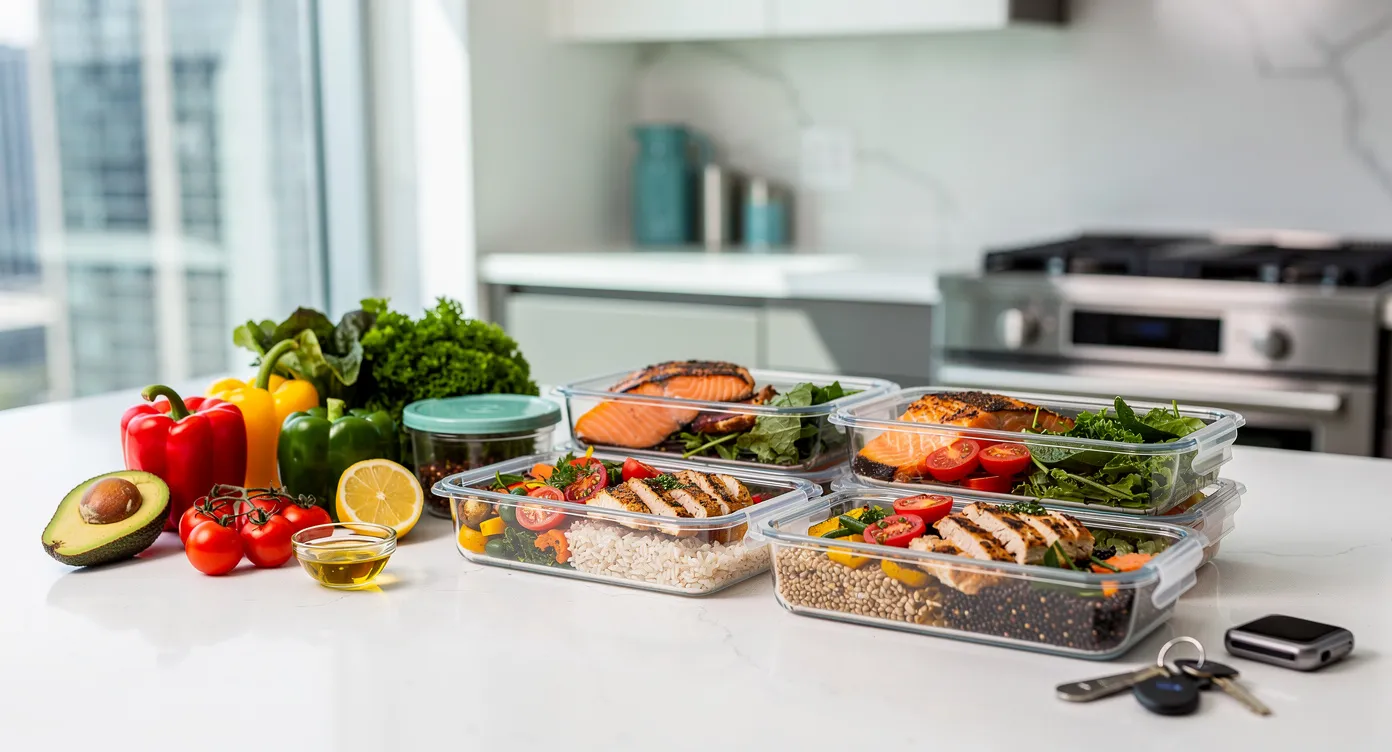
Effective meal planning for a busy schedule doesn't mean cooking twelve perfectly portioned containers of chicken and broccoli. It means preparing flexible building blocks that you can mix and match throughout the week. Think of it as cooking components, not complete meals. A batch of roasted sweet potatoes. A pot of quinoa or brown rice. A container of washed and chopped vegetables. Some marinated protein that's ready to cook quickly. These components can become a grain bowl for lunch, a stir-fry for dinner, or get tossed into a wrap when you're out the door in ten minutes.
The Two-Hour Rule
If you can carve out roughly two hours once a week, you can prepare enough components to cover about 70 to 80 percent of your weekday meals. That's the sweet spot. You don't need to prep every single meal. You just need to reduce the number of decisions you make when you're already tired and hungry. Decision fatigue is real, and it's the reason you end up ordering takeout even though you have groceries sitting in your fridge. When the building blocks are already prepped, the friction between you and a healthy meal drops dramatically.
The best day to prep depends on your life. Sunday afternoon works for many people, but if your weekends are packed, Wednesday evening can serve as a mid-week reset. Some people do a quick twenty-minute prep session twice a week rather than one longer block. The format matters less than the consistency.
Building Balanced Meals Without a Nutrition Degree
You don't need to count macros or weigh your food to eat well. The simplest framework that healthcare providers recommend is the plate method. Imagine your plate divided roughly into quarters. One quarter is protein. One quarter is a complex carbohydrate or whole grain. The remaining half is vegetables or a mix of vegetables and fruit. Add a small portion of healthy fat. That's it. No app required.
Protein is the anchor that most busy professionals underestimate, especially at breakfast and lunch. Adequate protein keeps your blood sugar stable, supports muscle maintenance, and reduces the kind of gnawing hunger that sends you to the vending machine at 3 p.m. Good prep-friendly protein sources include chicken thighs, hard-boiled eggs, canned lentils, tofu, canned salmon, and Greek yogurt. If you have dietary restrictions or food allergies, your healthcare provider can help you identify protein sources that work for your specific needs.
"The goal isn't a perfect diet. It's building a pattern where the easy choice and the healthy choice are the same thing most of the time."
Fibre: The Overlooked Nutrient
Most Canadians get roughly half the recommended daily fibre intake, and this shows up in everything from digestive issues to cholesterol levels. Fibre slows the absorption of sugar into your bloodstream, feeds the beneficial bacteria in your gut, and keeps you feeling full between meals. When you're meal prepping, adding fibre is as simple as choosing brown rice over white, tossing a can of chickpeas into your grain bowl, or keeping a bag of frozen edamame in the freezer for a quick addition to any meal.
If you're managing a condition like Type 2 diabetes or high cholesterol, the fibre content of your meals becomes even more important. Your Nurse Practitioner can review your current eating patterns and help you set specific targets. At Care& Family Health, these kinds of conversations happen during regular Chronic Disease Management visits, where there's enough time to talk through the practical details of what you're actually eating day to day.
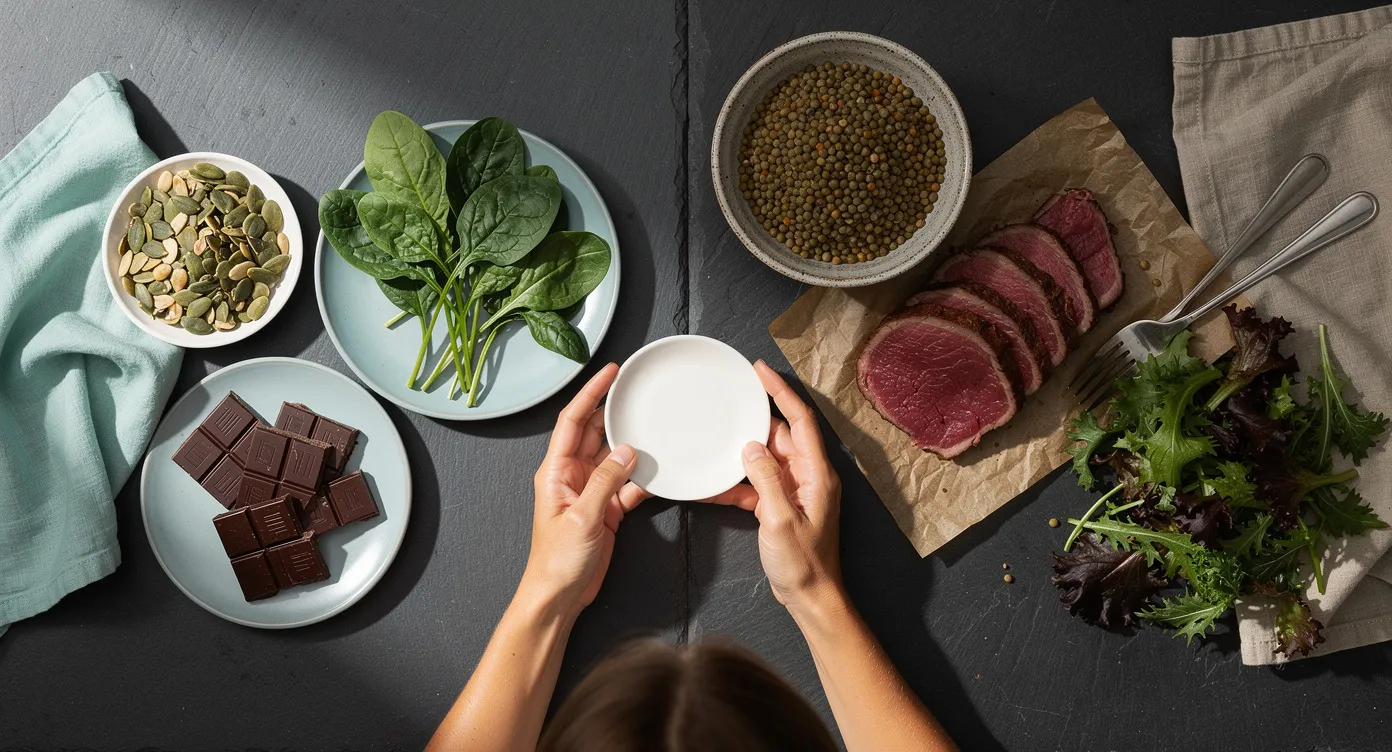
Care& members have access to on-premise lab work at our Yorkville clinic. If you're concerned about how your diet is affecting your health, your NP can order bloodwork to check markers like fasting glucose, HbA1c, cholesterol, iron, and vitamin D. All without a separate trip to an outside lab.
Batch Cooking Strategies for Sunday Afternoon
Here's a realistic batch cooking session that takes about two hours and sets you up for the work week. This isn't about perfection. It's about making Monday through Friday dramatically easier.
The Protein
Pick one or two protein sources and cook them in bulk. A sheet pan of chicken thighs seasoned simply with olive oil, salt, pepper, and garlic takes about 35 minutes in the oven and gives you protein for lunches and dinners all week. A pot of lentils simmers mostly on its own. Hard-boiled eggs take ten minutes of active time and last all week in the fridge. The key is keeping seasonings simple so the protein stays versatile. Lemon-herb chicken works just as well in a salad as it does over rice.
The Grains and Starches
Cook a large batch of one or two grains. Quinoa, brown rice, farro, or even a big pot of sweet potatoes. If you have a rice cooker or Instant Pot, this is largely hands-off time. These form the base of your bowls, wraps, and side dishes throughout the week. One batch of quinoa can become a breakfast porridge with cinnamon and fruit on Monday, a lunch grain bowl on Tuesday, and a stuffed pepper filling on Wednesday.
The Vegetables
Roast two large sheet pans of mixed vegetables. Broccoli, bell peppers, zucchini, cauliflower, and carrots all roast beautifully at 400°F with a drizzle of olive oil. Simultaneously, wash and chop raw vegetables for snacking and salads. Pre-washed greens in a container lined with a paper towel will stay fresh for most of the week. The combination of roasted and raw vegetables gives you variety without any additional cooking during the week.
The Extras
Prepare two or three sauces or dressings. A simple tahini dressing, a quick peanut sauce, or a lemon-olive oil vinaigrette can transform the same basic ingredients into something that feels like a completely different meal. This is the secret weapon against meal prep boredom. The protein and grains stay the same, but the flavour profile changes with the sauce. A jar of good salsa, a tub of hummus, and a bottle of soy sauce also go a long way toward keeping things interesting with zero prep time.
If you're preparing meals for your family including children, the component-based approach is especially helpful. Kids can assemble their own plates or bowls with the ingredients they prefer. For children with specific nutritional needs or picky eating patterns, Pediatric Care visits can address growth-related nutrition concerns. Pediatric dietary management may differ from adult recommendations, so it's always worth checking with your provider about children's specific needs.
Want to learn more about how Care& works?
See How It WorksCommon Meal Prep Pitfalls and How to Avoid Them
Pitfall One: Going All-In Too Fast
The most common reason people abandon meal prepping is that they try to go from zero to five prepped meals a day overnight. This creates a wall of effort that isn't sustainable. A better approach is to start by prepping just your lunches for the work week. That's five meals. Once that becomes routine, add breakfasts. Then expand to dinners. Building the habit gradually means it actually sticks, which is worth far more than one heroic week of perfect eating followed by three weeks of takeout.
Pitfall Two: Ignoring What You Actually Like to Eat
There's no point prepping a week of plain grilled chicken and steamed broccoli if that's not something you'd ever order at a restaurant. Meal prep should reflect your actual taste preferences. If you love bold flavours, invest in good spice blends and sauces. If you prefer warm meals, choose recipes that reheat well. If you genuinely dislike cooking, embrace the "assembly meals" approach. Rotisserie chicken from the grocery store, pre-washed salad mix, canned beans, and a store-bought dressing is a perfectly valid meal prep strategy.
Pitfall Three: Not Accounting for Social Meals
Toronto's food scene is part of what makes this city great, and eating out with friends or colleagues is part of a healthy social life. Don't prep seven dinners if you know you'll eat out twice. Be realistic about your week. Meal prepping for four dinners and five lunches might be more accurate than trying to account for every meal. The flexibility keeps you from feeling trapped by your own containers of food.
Pitfall Four: Skipping the Grocery List
Walking into a No Frills or Loblaws without a list is how you end up with a cart full of aspirational ingredients and nothing that actually forms a meal. Before your weekly shop, take five minutes to plan your components. Write down exactly what proteins, grains, vegetables, and sauces you need. Check what's already in your fridge. This simple habit cuts food waste, saves money, and makes your actual prep session much faster because you're not standing in your kitchen improvising.
While nutrition changes are typically gradual, certain symptoms require urgent attention. If you experience sudden, unexplained weight loss of more than 10 pounds, persistent vomiting or inability to keep food down, signs of severe dehydration such as dark urine, dizziness, or fainting, or symptoms of a severe allergic reaction to a new food (swelling of the face, tongue, or throat, difficulty breathing), seek emergency care immediately. If you carry an epinephrine auto-injector (EpiPen), use it immediately and then call 911.
When to See Your Nurse Practitioner
Meal prepping and eating well are powerful tools, but they work best when paired with an understanding of what's actually going on inside your body. There are specific situations where a conversation with your healthcare provider about nutrition becomes genuinely important. If you're constantly fatigued despite getting adequate sleep, if you've noticed unexplained weight changes, if you have a family history of diabetes or heart disease, or if you suspect a nutrient deficiency, these are all reasons to book an appointment.
A Nurse Practitioner can order bloodwork to check your fasting blood sugar, cholesterol panel, iron levels, vitamin B12, vitamin D, and thyroid function. These tests create a clear picture of how your current eating habits are translating into measurable health outcomes. From there, your NP can help you set specific, evidence-based nutrition goals rather than following generic advice from the internet.
If you have an OHIP-covered family doctor, they can certainly order these tests and discuss nutrition with you. But many Torontonians find that rushed ten-minute appointments don't leave much room for a real conversation about meal planning, food preferences, and the practical barriers to eating better. For those who don't have a family doctor at all, or who want longer, unrushed visits with a provider who knows their history, Care& Family Health offers a Family Practice experience built for exactly these kinds of conversations. With a Membership that covers unlimited visits, you can come back and follow up on how your nutrition changes are affecting your numbers without worrying about appointment availability.
If you're pregnant, breastfeeding, or planning a pregnancy, your nutritional needs shift significantly. Certain nutrients like folate, iron, and omega-3 fatty acids become especially important. Check with your provider before making major dietary changes or starting any new supplements during this time. If you take medications for chronic conditions, your provider can also help you choose foods that won't cause interactions. For example, people taking blood thinners need to be mindful of vitamin K intake from leafy greens.
Care& members get same-day or next-day appointment availability, and every visit is with the same dedicated NP who knows your history. That continuity means you're not re-explaining your health goals every time. Your Nurse Practitioner can track your progress over months and adjust recommendations as your bloodwork and symptoms change. You can also manage prescriptions and view your lab results in real time through the Care& app at app.careand.ca.
Frequently Asked Questions
How long does meal prepped food last in the fridge?
Most cooked proteins, grains, and roasted vegetables will last three to four days in the fridge when stored in airtight containers. If you're prepping for a full five-day work week, plan to freeze portions intended for Thursday and Friday and thaw them the night before. Raw prepped vegetables like chopped peppers and washed greens will stay fresh for four to five days if stored with a paper towel to absorb excess moisture.
Can meal prepping help with weight loss?
Meal prepping supports weight management primarily by giving you more control over portion sizes and ingredients. When you cook at home, you naturally use less oil, sodium, and sugar than most restaurants. You also tend to eat more vegetables and fibre, which increases satiety. Research consistently shows that people who cook more meals at home have healthier body weight over time compared to those who eat out frequently. That said, meal prepping isn't a magic solution. The types of foods you choose and overall portion sizes still matter.
What if I have food allergies or dietary restrictions?
Meal prepping is actually easier with food allergies because you control every ingredient. For those with celiac disease, nut allergies, or other restrictions, home-cooked meals eliminate the uncertainty of restaurant cross-contamination. The component-based approach works especially well here. Prepare safe grains, proteins, and vegetables separately so family members with different needs can assemble their own meals. If you take other medications or have conditions that affect how your body processes certain nutrients, your healthcare provider can help you choose options that won't cause interactions.
Is it cheaper to meal prep than to eat out in Toronto?
Significantly. The average lunch delivery in Toronto costs between $18 and $25 including fees and tips. That's roughly $90 to $125 per work week on lunches alone. A week's worth of meal prepped lunches using store-bought ingredients typically costs $30 to $50 total. Even accounting for the higher cost of quality proteins and organic produce, you're likely to save $200 to $400 per month. That savings can add up meaningfully over a year, whether you put it toward better groceries, fitness, or other aspects of your wellbeing.
I can't find a family doctor in Toronto. Can I still get nutrition-related bloodwork done?
You can. Care& Family Health is a Nurse Practitioner-led Family Practice with a clinic in Yorkville, Toronto. Your NP can order all the same bloodwork a physician would, including fasting glucose, lipid panels, iron studies, and vitamin levels. Care& isn't covered by OHIP, but the membership is $450 plus HST per year for unlimited visits, which many professionals find worthwhile for the same-day availability, on-site lab work, and unrushed appointments. You can learn more about how it works on the Care& website.
Ready to prioritize your health?
Book an appointment with our experienced Nurse Practitioners today.
Book AppointmentOr call us at (647) 951-4770