What Are the Normal Side Effects After an Iron Infusion?
For most people, the common side effects after an iron infusion are mild and pass within a day or two. You might notice a temporary headache, some muscle or joint aches, mild nausea, or a metallic taste in your mouth during the drip. A brief flushing sensation, where your face or chest feels warm and looks a little pink, is also common and usually settles within minutes. Some people feel more tired than usual for a day, while others feel a subtle lift in energy within the first week as their iron stores begin to rebuild.
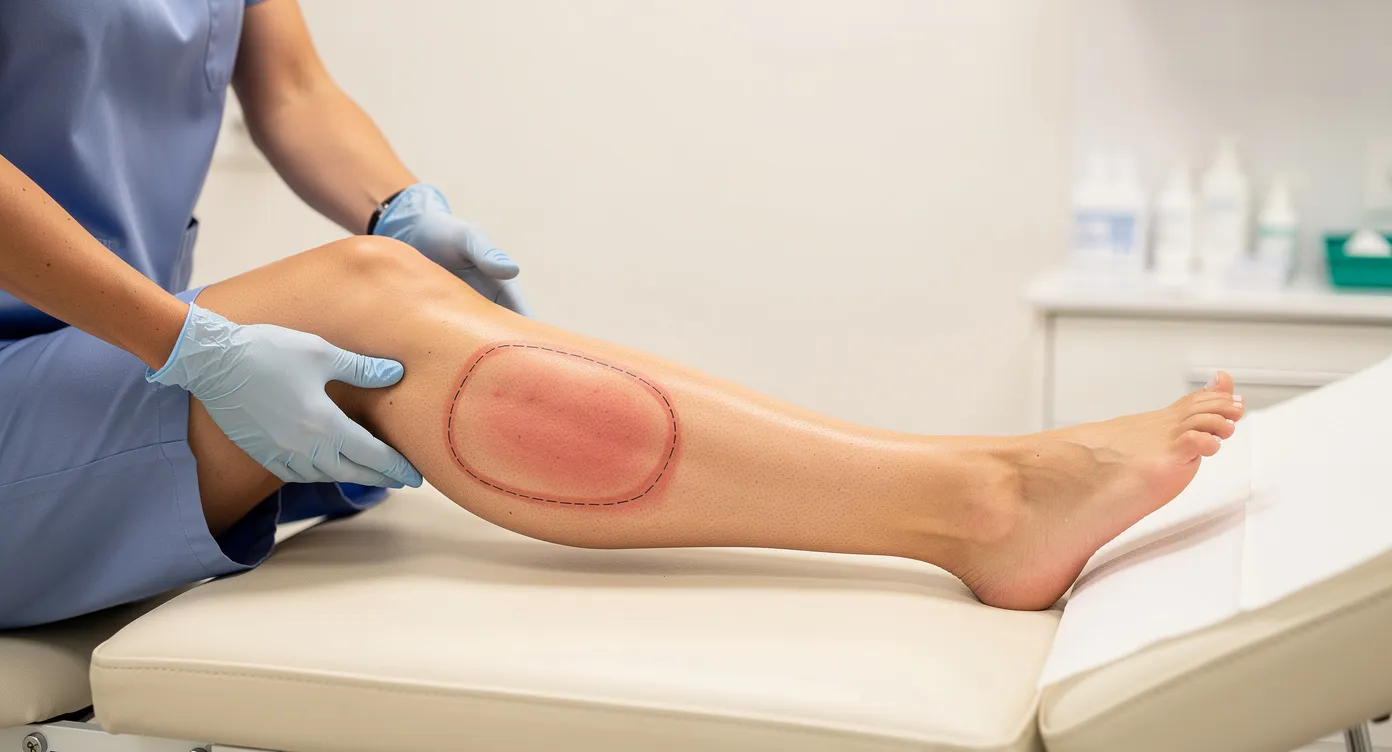
You may also see a small amount of bruising, tenderness, or a slight bump at the needle site. This is normal and typically fades over a few days. Occasionally the skin over the infusion site can develop a brownish stain if a tiny amount of iron leaks under the skin, though careful placement and monitoring make this uncommon. None of these reactions mean something has gone wrong. They're your body's ordinary response to receiving a concentrated dose of a mineral it was running low on.
Why These Reactions Happen
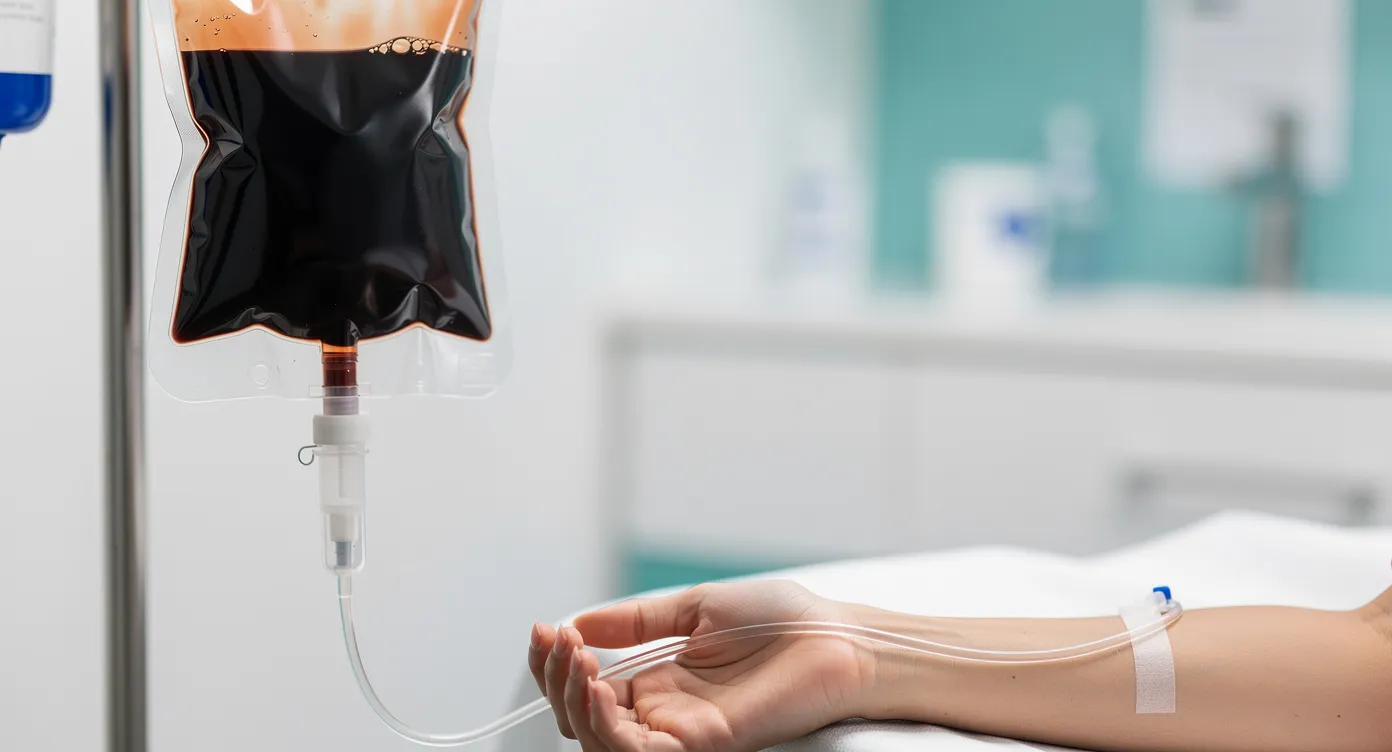
Iron is delivered intravenously precisely because your body needs a larger, faster correction than oral supplements can provide. When that iron enters your bloodstream, it can briefly trigger the immune system's messengers, which is what produces those flu-like aches or the warm flush. This is different from an allergy. It's a transient, self-limiting response, and it tends to be milder when the infusion is given slowly and under supervision. If you'd like a fuller walk-through of the appointment itself, our guide on what to expect during an iron infusion, from the visit to recovery covers the whole process step by step.
At Care&, your IV therapy and iron infusion is supervised by a Nurse Practitioner from start to finish, with the infusion rate adjusted to your comfort. Because the same NP follows your bloodwork over time, they already know your iron history before you sit down in the chair.
What's Not Normal: Signs That Need Attention
While serious reactions to modern iron formulations are rare, it helps to know the difference between a passing side effect and something that needs prompt care. Contact your provider or seek medical attention if you develop a rash or hives that spread, significant swelling of the face, lips, or tongue, difficulty breathing, chest tightness, or a rapid heartbeat during or after your infusion. A high fever, worsening pain at the injection site with spreading redness, or persistent vomiting also warrant a call.
True anaphylaxis is uncommon with today's iron products, but it's the reason infusions should always be given where someone can monitor you. If you carry an epinephrine auto-injector (EpiPen), use it immediately and then call 911. This is exactly why an infusion supervised by a healthcare provider offers peace of mind that a rushed setting can't. Your NP watches for early signs and can respond before a mild reaction becomes a bigger one.
How to Feel Your Best in the Days After
Recovery is usually straightforward. Drink plenty of water in the 24 hours after your infusion, since hydration helps your body process the iron and can ease mild headaches. Eat normally, rest if you feel tired, and avoid a punishing workout on the same day. If you have aches or a low-grade headache, a simple over-the-counter pain reliever taken as directed by your provider is generally fine for most adults. If you take other medications, your provider can help you choose options that won't cause interactions.
Keep the infusion site clean and dry, and leave any small bruise alone to heal on its own. Many people feel steadily better over the following two to four weeks as their ferritin and hemoglobin climb. If you're pregnant, breastfeeding, or planning a pregnancy, check with your provider before starting any new medication for symptom relief. Iron needs and treatment plans for children differ from those of adults, so pediatric care should always be guided directly by a provider.
Concerned about your symptoms? Your NP can help.
Meet Our NPsWhy Supervised Infusions Make the Experience Safer
The reason so many Toronto residents feel uneasy before an infusion is that they don't know who will be watching them or how long the appointment will take. When your infusion is unhurried and monitored, the small reactions that do happen get caught early and managed calmly. At Care& Family Health, infusions are booked as proper appointments that start on time, so you're never squeezed in and left to watch the drip alone.
Iron deficiency is also worth understanding in context, because it isn't always tied to anemia. Some people have normal blood counts yet still feel wiped out, which we explain in our piece on iron deficiency without anemia and why you can feel exhausted despite normal tests. If ongoing fatigue or a chronic condition is driving your low iron, your provider can fold infusion care into a broader plan through chronic disease management, rather than treating each symptom in isolation. Curious about the practical side of booking? Our overview of how Care& works lays out the membership and appointment details.
When to See Your Nurse Practitioner
If your side effects last more than a couple of days, feel severe, or you're simply unsure whether what you're experiencing is normal, reach out to your provider. OHIP-covered care is always an option, but if you can't find a family doctor, want longer appointments, or prefer unrushed follow-up, Care& offers NP-led infusions and continuity with a provider who knows your history. Membership at Care& isn't covered by OHIP, and you can learn about iron infusion costs and coverage in Toronto before you decide.
Frequently Asked Questions
How long do iron infusion side effects usually last?
Most mild side effects like headache, muscle aches, or a metallic taste fade within 24 to 48 hours. Flushing typically passes within minutes during the infusion itself. If symptoms linger beyond a few days or intensify, contact your healthcare provider to be checked.
Can I go to work the day after an iron infusion?
Many people return to normal activities the next day, especially if they felt fine during the appointment. That said, some feel tired or achy for a day, so it's wise to keep your schedule light and stay well hydrated. Listen to your body and rest if you need to.
What if I can't find a family doctor in Toronto for follow-up care?
Finding a family doctor in Toronto can take years, which leaves many people without consistent follow-up. Care& is a membership-based option, not covered by OHIP, where you see a dedicated Nurse Practitioner for unrushed appointments and ongoing care. You get continuity with the same provider, on-site lab work, and health records through the Care& app.
Ready to prioritize your health?
Book an appointment with our experienced Nurse Practitioners today.
Book AppointmentOr call us at (647) 951-4770