
In This Article
Why Iron Deficiency in Women Gets Missed
Iron deficiency is the most common nutritional deficiency in the world, and women of reproductive age bear the brunt of it. Studies consistently show that up to 30% of menstruating women are iron deficient, yet many go years without a diagnosis. The reasons for this gap are frustrating but not surprising. The symptoms overlap with dozens of other conditions, and busy clinical settings don't always allow enough time to connect the dots.
There's also a normalization problem. When a woman tells her healthcare provider she's exhausted, the conversation often stops at "You're busy" or "That's just stress." Heavy periods get chalked up to being a normal part of life. Brain fog gets attributed to aging or anxiety. These aren't bad-faith responses, but they do reflect a pattern where women's symptoms are under-investigated. A five-minute appointment simply isn't long enough to explore what's really going on beneath the surface.
In Toronto, where many people don't have a family doctor at all, the problem compounds. Walk-in clinics focus on acute issues. You're in and out quickly, and preventive screening for something like ferritin levels rarely makes the cut. At Care& Family Health, we see this pattern regularly. Women come in after years of being told their fatigue is normal, and within a single thorough visit, we find the answer they've been missing.
Symptoms That Go Way Beyond Feeling Tired
Most people associate iron deficiency with tiredness, and that's accurate. But the symptom list is much longer and much stranger than most women realize. Iron is essential for producing hemoglobin, the protein in red blood cells that carries oxygen throughout your body. When iron stores drop, every organ and system feels the effects. Your muscles ache. Your heart races. Your ability to concentrate deteriorates.
The Symptoms You'd Expect
Fatigue is the hallmark. Not the "I stayed up too late" kind of tired, but a deep, persistent exhaustion that doesn't improve with sleep. You might feel winded climbing the stairs at Bay Station or find that your usual run along the waterfront suddenly feels impossible. Pale skin and pale inner eyelids are classic signs too. Some women notice their nail beds lose colour, or their skin takes on an almost waxy quality.
The Symptoms You Wouldn't
This is where it gets interesting. Iron deficiency can cause restless legs syndrome, that maddening urge to move your legs when you're trying to fall asleep. It can trigger unusual cravings for ice, dirt, or starch. This condition, called pica, sounds bizarre until you understand that it's your body's confused attempt to correct a mineral shortage. Hair loss is another common complaint. Women notice more hair in their brush, thinner ponytails, and shedding that seems excessive. Brain fog, poor memory, irritability, and even depression can all trace back to low iron.
Cold intolerance is another underappreciated symptom. If you're the person in the office who's always freezing while everyone else is comfortable, your iron levels might be to blame. Frequent infections can also be a sign, since iron plays a role in immune function. The point is that iron deficiency doesn't announce itself with a single obvious symptom. It whispers across your whole body, and if nobody asks the right questions, the whispers get ignored.
"Iron deficiency doesn't announce itself with a single obvious symptom. It whispers across your whole body, and if nobody asks the right questions, the whispers get ignored."
Who's at Risk: It's Not Just About Diet
When people think of iron deficiency, they often jump straight to diet. And yes, not eating enough iron-rich foods is a contributing factor. But for women specifically, the biggest driver is blood loss through menstruation. A woman with heavy periods can lose significant amounts of iron every month, and the body simply can't replace it fast enough through food alone.
Certain life stages elevate your risk even further. Pregnancy dramatically increases iron demands because your blood volume expands by nearly 50% to support the growing baby. Postpartum women are vulnerable too, especially if they experienced blood loss during delivery. Women approaching menopause often have heavier or more irregular periods, making the perimenopausal years a surprisingly high-risk window. If you're experiencing changes related to perimenopause, a visit focused on Menopause Care can help address iron concerns alongside other hormonal shifts.
Vegetarians and vegans face a particular challenge. Plant-based iron (non-heme iron) is harder for the body to absorb than the iron found in meat (heme iron). This doesn't mean a plant-based diet is incompatible with healthy iron levels. It just means you need to be more strategic and more vigilant about monitoring. Conditions like celiac disease, inflammatory bowel disease, and even frequent use of antacids can all reduce iron absorption, regardless of how much iron you eat.
There are also groups that fly under the radar. Female athletes, particularly runners, lose iron through a process called foot-strike hemolysis, where red blood cells break down from repetitive impact. Women who donate blood regularly are generous but putting their own stores at risk. And anyone who's had bariatric surgery may have reduced absorptive capacity in the gut.
The Right Blood Tests (and Why "Normal" Isn't Always Fine)
This is one of the most important sections of this article, because getting the wrong test, or misinterpreting the right one, is where the system most often fails women. If you go to a walk-in clinic and say you're tired, you might get a CBC (complete blood count). That test checks your hemoglobin, which tells you if you're anemic. But here's the critical gap: you can be severely iron deficient without being anemic. Your hemoglobin can look completely normal while your iron stores are nearly empty.
The test you actually need is a serum ferritin level. Ferritin is the protein that stores iron in your body, and it's the earliest and most sensitive marker of iron depletion. When ferritin drops, it means your reserves are being used up faster than they're being replenished. If nobody checks ferritin, the deficiency goes undetected until you've progressed to full-blown anemia. By that point, you've likely been suffering symptoms for months or even years.
What the Numbers Mean
This is where things get nuanced. Many lab reports flag ferritin as "normal" at levels as low as 12 to 15 micrograms per litre. But a growing body of medical evidence suggests that symptoms of iron deficiency, particularly fatigue, brain fog, and hair loss, often appear when ferritin drops below 30 to 50. Some experts argue that optimal ferritin for most women is above 50 or even 70. If your ferritin comes back at 18 and your report says "normal," you might walk away thinking everything is fine. A Nurse Practitioner who takes the time to look at your symptoms alongside your numbers will see the full picture.
Your provider may also order additional tests to get a clearer view. A transferrin saturation test and serum iron can help confirm iron deficiency. If there's concern about an underlying cause, further investigation might include testing for celiac disease, checking for blood loss through the GI tract, or reviewing your menstrual history in detail. The right workup depends on your individual story, which is exactly why having a provider who knows your history matters.
Care& members can get lab work done on-site at our Yorkville clinic. That means your Nurse Practitioner can order your ferritin test during your appointment and have you in the lab chair without a second trip across the city. Results go straight to your real-time health records in the Care& app.
Treatment That Actually Works
The good news is that iron deficiency is treatable. The less good news is that treatment takes patience and the right approach. Simply eating a steak isn't going to fix a ferritin of 8. Most women with confirmed iron deficiency will need supplementation, and the details of how you supplement matter more than you'd think.
Oral Iron Supplements
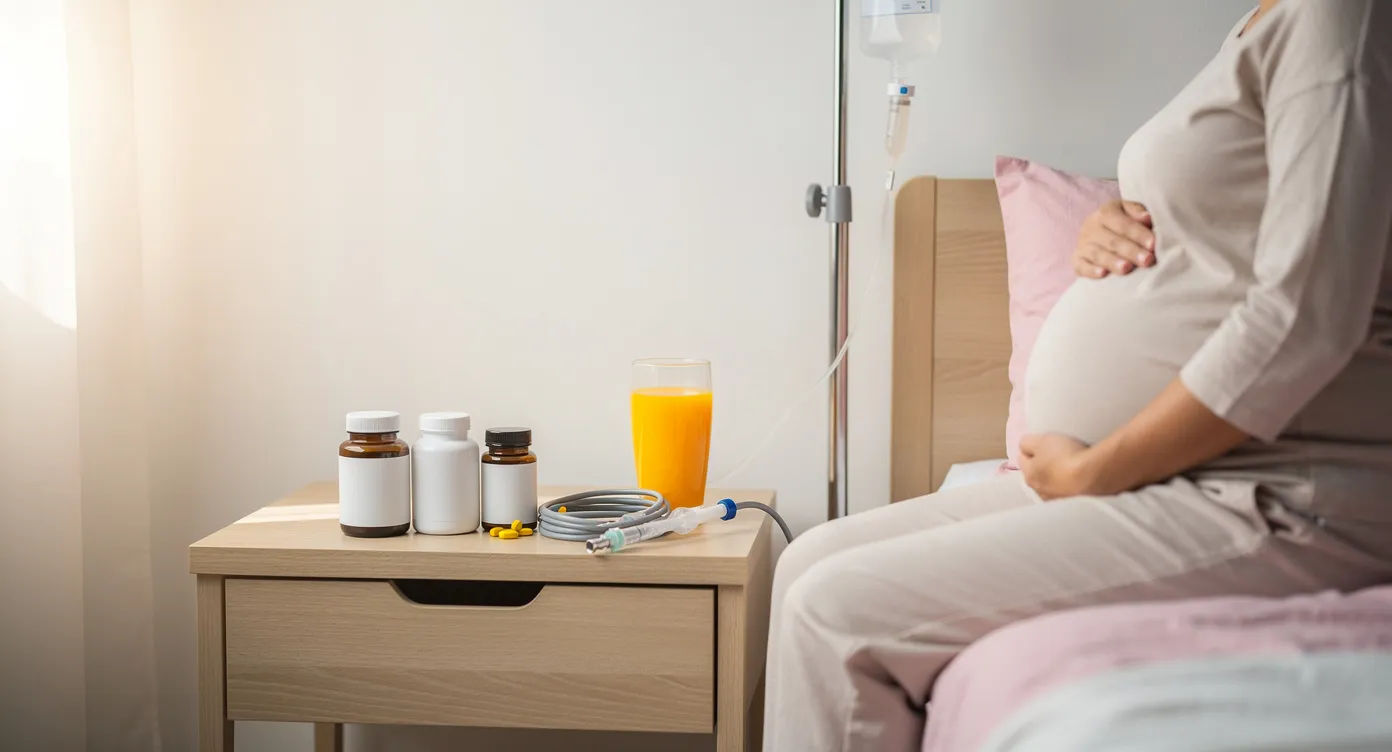
Oral iron is the first-line treatment for most cases of iron deficiency. Ferrous sulfate, ferrous gluconate, and ferrous fumarate are the most commonly prescribed forms. Your provider will typically recommend taking it on an empty stomach with vitamin C (a glass of orange juice works well) to maximize absorption. Avoid taking iron at the same time as calcium, coffee, tea, or antacids, as these all interfere with absorption.
The biggest challenge with oral iron is side effects. Constipation, nausea, stomach cramps, and dark stools are common complaints. Many women start iron and stop within a few weeks because they feel worse, not better. If this happens to you, don't give up. Your healthcare provider can adjust the dose, switch the form, or suggest taking it every other day, which research suggests can actually improve absorption while reducing side effects. Newer formulations like iron bisglycinate tend to be gentler on the stomach and are worth discussing.
IV Iron Infusion
For women who can't tolerate oral iron, who have very low ferritin, or who need faster results, intravenous (IV) iron is an excellent option. IV iron bypasses the gut entirely and delivers iron directly into your bloodstream. It's safe, well-studied, and increasingly accessible. Your NP can assess whether IV iron is appropriate for your situation and arrange a referral if needed.
Addressing the Root Cause
Supplementation alone isn't enough if you don't figure out why your iron is low in the first place. If heavy menstrual bleeding is the driver, your provider may discuss hormonal options like an IUD or oral contraceptives to reduce blood loss. If a GI condition is involved, treating that underlying issue is essential for long-term improvement. At Care&, the Women's Health appointments are designed to give your NP the time to explore these root causes with you, rather than just handing over a prescription.
If you're pregnant, breastfeeding, or planning a pregnancy, check with your provider before starting any new iron supplement. Iron needs change significantly during pregnancy, and your dosing and monitoring schedule will be different. Pediatric iron deficiency also requires a different approach. If you're concerned about your child's iron levels, consult their healthcare provider for age-appropriate assessment and treatment. If you take other medications, your provider can help you choose iron formulations and timing that won't cause interactions.
Want to learn more about how Care& works?
See How It WorksWhen to See Your Nurse Practitioner
If you've been living with persistent fatigue, unexplained hair loss, brain fog, or any combination of the symptoms described above, it's time to get your iron levels checked. Don't wait until you're dizzy or short of breath. The earlier iron deficiency is caught, the easier and faster it is to treat. A straightforward conversation with your Nurse Practitioner and a simple blood test can change the trajectory of how you feel for the rest of the year.
You should also consider getting checked if you have heavy periods, if you follow a vegetarian or vegan diet, if you've recently been pregnant, or if you have a condition that affects nutrient absorption. These are all situations where proactive screening prevents problems down the road.
If you have an OHIP-covered family doctor who can see you in a reasonable time frame, that's a great starting point. But the reality for many women in Toronto is that getting a timely appointment is difficult. Wait times of weeks or months are common, and when you do get in, the visit is often too brief to explore something like iron deficiency thoroughly. Care& Family Health offers a different model. With membership, you get unlimited visits with the same NP who knows your history. Appointments aren't rushed. You can book same-day when something comes up. And the on-site lab means you don't need to trek to a separate location for bloodwork.
For women who don't have a family doctor at all, Care& serves as your dedicated Family Practice. Your NP can order tests, prescribe supplements, manage follow-up, and coordinate specialist referrals if needed. It's the continuity of care that makes the difference between a one-off blood test and a real plan to get you feeling like yourself again.
Severe iron deficiency anemia can occasionally cause symptoms that need urgent attention. If you experience chest pain, rapid or irregular heartbeat, severe dizziness or fainting, difficulty breathing at rest, or very heavy menstrual bleeding that soaks through a pad or tampon every hour for several consecutive hours, go to your nearest emergency department or call 911. These symptoms can indicate dangerously low hemoglobin levels that require immediate treatment.
Care& members can refill prescriptions, including iron supplements, with one click through the Care& app. Your NP can also track your ferritin levels over time in your real-time health record, so you can see your progress together at follow-up visits.
Frequently Asked Questions
What's the difference between iron deficiency and anemia?
Iron deficiency means your body's stored iron (measured by ferritin) is low. Anemia means your hemoglobin has dropped enough that your red blood cells can't carry oxygen efficiently. You can be iron deficient for a long time before it progresses to anemia. This is why checking ferritin is so important. It catches the problem in its earlier, more treatable stage.
How long does it take to feel better after starting iron supplements?
Many women notice an improvement in energy within two to four weeks of starting oral iron. However, it typically takes three to six months of consistent supplementation to fully restore your ferritin to a healthy level. Don't stop taking your iron just because you feel better. Your provider will recheck your bloodwork to confirm your stores have been adequately replenished before tapering or stopping.
Can I just take iron supplements without getting tested first?
It's not recommended. Taking iron when you don't need it can cause your levels to climb too high, leading to a condition called iron overload, which damages your liver, heart, and other organs. Some people carry a genetic condition called hemochromatosis that makes them especially vulnerable to iron accumulation. A simple blood test confirms whether supplementation is appropriate and helps determine the right dose for you.
Will my iron deficiency come back after treatment?
It can, especially if the underlying cause isn't addressed. If heavy periods are driving the deficiency and that issue isn't managed, your stores will drop again once you stop supplementing. This is why treatment should involve two things: replenishing your iron and figuring out why it was low. Your healthcare provider can create a monitoring plan so you catch any decline before symptoms return.
I can't find a family doctor in Toronto. Can I still get tested and treated for iron deficiency?
Yes. Care& Family Health is a Nurse Practitioner-led clinic that functions as your family practice. Your NP can order all the necessary bloodwork, diagnose iron deficiency, prescribe treatment, and monitor your progress over time. The clinic isn't covered by OHIP, but membership starts at $450 per year for unlimited visits. You can check Membership Pricing for full details. For many Toronto women without a family doctor, it's the fastest way to get answers and start feeling better.
Ready to prioritize your health?
Book an appointment with our experienced Nurse Practitioners today.
Book AppointmentOr call us at (647) 951-4770