
Yes, Heat and Humidity Actually Cause More Yeast Infections
The short answer: Candida, the fungus responsible for most vaginal yeast infections, thrives in warm, moist environments. Your body normally keeps Candida in check through a balance of bacteria and natural pH levels. But when the external environment shifts toward higher temperatures and humidity, the conditions around your vulva and vagina can tip in Candida's favour.
Toronto summers bring a specific combination of heat and humidity that creates problems. Temperatures regularly sit above 30°C, and the humidex can push that feeling much higher. Add tight clothing, sweaty workouts on the waterfront trail, or a wet swimsuit after a dip at one of the city's pools, and you've created exactly the environment Candida loves. The fungus multiplies faster when moisture sits against the skin for extended periods. That's why so many women notice their first summer yeast infection after spending the day in a bathing suit or exercising in non-breathable fabrics.
Sweat itself doesn't cause yeast infections, but it changes the local environment. When sweat mixes with the warmth trapped in synthetic underwear or tight shorts, it raises the surface temperature and lowers ventilation. This creates what clinicians sometimes call a "micro-greenhouse effect." The result is an overgrowth of Candida that your body's defenses can't keep up with. Understanding this connection between summer conditions and recurring yeast infections is the first step toward prevention.
How to Prevent Yeast Infections in Hot Weather
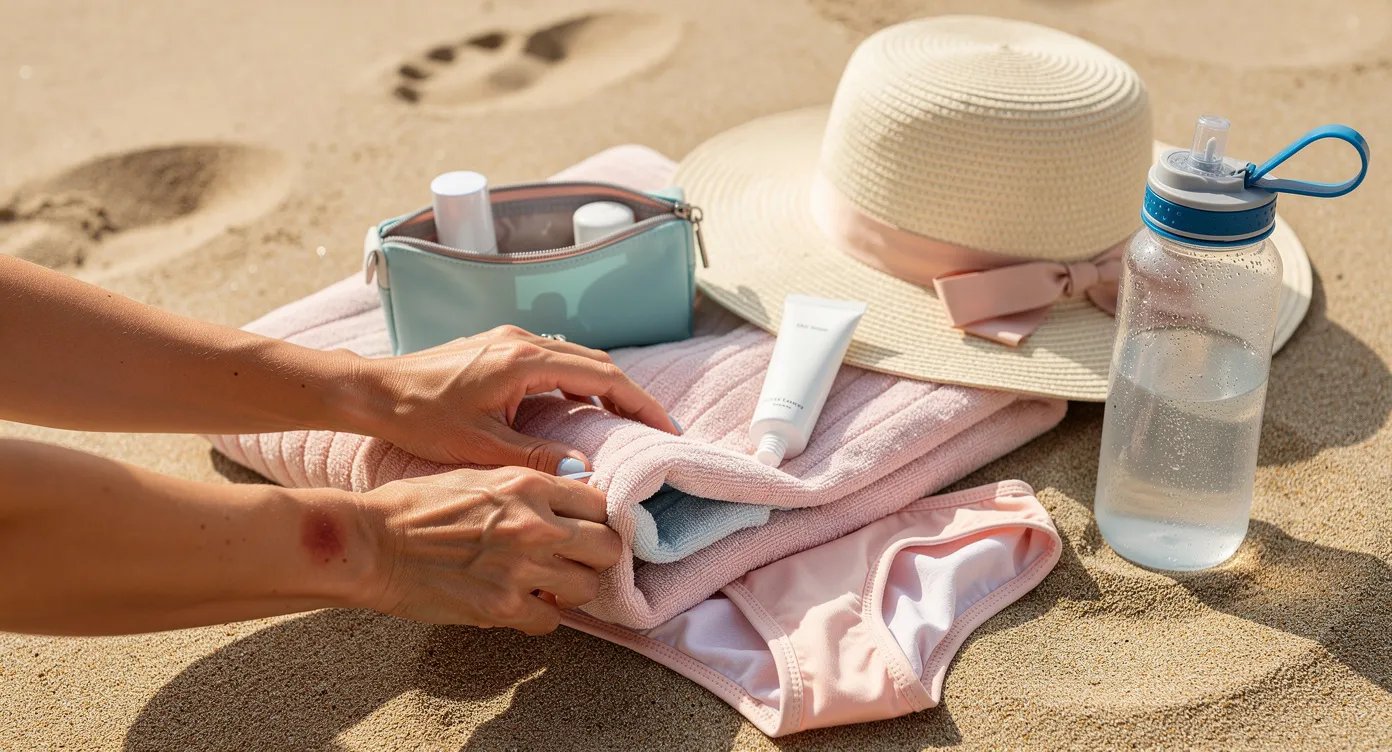
Prevention comes down to keeping the vulvar area cool, dry, and breathable. Cotton underwear makes a real difference because it wicks moisture away from the skin instead of trapping it the way nylon or polyester does. If you're heading to the beach or a pool, change out of your wet swimsuit as soon as you're done swimming. Sitting in damp fabric for hours is one of the most common triggers during summer.
After a workout, shower and change your clothes promptly. If you're using a gym downtown and can't shower right away, at least swap into dry underwear. Avoid douches, scented sprays, and perfumed washes in the vaginal area. These products disrupt the natural balance of bacteria that keeps Candida in check, and their use is associated with higher rates of vaginal yeast infections throughout the year. A gentle, unscented cleanser on the external vulva is all you need.
Lifestyle Adjustments That Help
Loose-fitting clothing goes a long way when the humidity climbs. Skirts, dresses, and wide-leg shorts allow airflow that tight jeans or leggings don't. If you prefer leggings for workouts, choose moisture-wicking fabrics designed for exercise and change out of them soon after. Sleeping without underwear can also help by giving the area a break from any fabric contact overnight.
Diet plays a smaller but still notable role. High sugar intake can contribute to Candida overgrowth in some women. Staying well-hydrated in the heat helps your body regulate itself overall, and probiotics containing Lactobacillus strains may support healthy vaginal flora. These aren't cures on their own, but they're useful pieces of a broader prevention plan. If you're dealing with recurring yeast infections every summer, working with a Nurse Practitioner to build a personalized prevention strategy can make a meaningful difference. The Women's Health services at Care& are designed for exactly this kind of ongoing, individualized care.
Treating a Summer Yeast Infection
Most uncomplicated vaginal yeast infections respond well to antifungal treatment. Over-the-counter options include topical creams and suppositories containing clotrimazole or miconazole, typically used for three to seven days. For women who prefer a single-dose option, a prescription oral antifungal like fluconazole may be appropriate. Your provider can determine which approach is best based on your symptoms and medical history.
The tricky part is knowing whether what you're experiencing is actually a yeast infection. Studies show that many women who self-diagnose yeast infections are wrong about half the time. The symptoms of Candida overgrowth, including itching, burning, and abnormal discharge, overlap significantly with bacterial vaginosis, contact dermatitis, and even some sexually transmitted infections. Getting the wrong diagnosis means getting the wrong treatment, which means the problem persists or worsens. A Nurse Practitioner can assess your symptoms, take a swab if needed, and make sure you're treating the right condition.
Care& Family Health offers on-premise lab work at our Yorkville clinic, so if your NP needs a swab to confirm a yeast infection or rule out other causes, it can be done during your appointment. No separate lab visit required.
If you're pregnant, breastfeeding, or planning a pregnancy, check with your provider before starting any new medication, including over-the-counter antifungals. Some treatments that are safe for most adults aren't recommended during pregnancy. Oral fluconazole, for example, is generally avoided during pregnancy, but topical options may be appropriate. Your NP can guide you through the safest choices for your situation.
For parents: yeast infections can also affect children, particularly diaper-area candidiasis in infants during hot weather. Pediatric management differs from adult treatment, so consult your healthcare provider rather than applying adult products to a child's skin. If you take other medications, your provider can help you choose antifungal options that won't cause interactions.
When Yeast Infections Keep Coming Back
Recurring yeast infections, defined as four or more episodes in a year, affect roughly 5 to 8 percent of women. Summer often marks the start of a frustrating cycle. You treat one infection, feel better for a few weeks, then the symptoms return as soon as the humidity spikes again. This pattern suggests something beyond just environmental triggers may be at play.
Recurrent Candida infections can be linked to underlying factors like uncontrolled blood sugar, hormonal changes, or immune system suppression. Women going through perimenopause or menopause may notice changes in vaginal flora that make infections more likely. If you're in that stage of life, the Menopause Care team at Care& can help connect the dots between hormonal shifts and recurring infections. Antibiotic use is another common trigger. If you've recently taken antibiotics for something else, the disruption to your vaginal microbiome can open the door for Candida to take over.
For recurrent infections, your Nurse Practitioner may recommend a longer course of treatment or a maintenance antifungal regimen taken over several months. This isn't something to manage on your own with repeated over-the-counter purchases. A proper assessment helps identify the underlying driver and build a plan that actually breaks the cycle.
Dealing with recurring yeast infections? Your NP can help you find the cause and build a plan.
Meet Our NPsWhen to See Your Nurse Practitioner
If this is your first yeast infection, if your symptoms don't resolve with over-the-counter treatment within a week, or if you're getting more than three infections per year, it's time to see a provider. You should also seek care if you have unusual discharge, pelvic pain, or fever alongside your symptoms, as these can point to a different condition that needs different treatment.
Many women in Toronto struggle to get timely appointments for women's health concerns through OHIP-covered clinics, especially for something that feels "minor" like a yeast infection. But recurring infections aren't minor when they affect your comfort and quality of life every summer. Care& Family Health offers a membership-based model (not covered by OHIP) that gives you unrushed time with the same NP who already knows your history. That continuity matters when you're troubleshooting a pattern of recurring infections. You can learn more about Membership Pricing to see if it's the right fit.
Frequently Asked Questions
Can swimming pools and hot tubs cause yeast infections?
The chlorinated water itself doesn't cause yeast infections. The problem is sitting in a wet swimsuit afterward. Prolonged moisture and warmth against the vulva create favourable conditions for Candida growth. Change into dry clothes as soon as you're done swimming, and you'll significantly reduce your risk.
Should I use probiotics to prevent summer yeast infections?
Some evidence supports the use of Lactobacillus-based probiotics for maintaining healthy vaginal flora, but they're not a standalone prevention strategy. They work best as part of a broader approach that includes breathable clothing, good hygiene habits, and prompt treatment when symptoms arise. Talk to your healthcare provider about whether a specific probiotic might be helpful for you.
Where can I find a provider for women's health concerns in Toronto?
Many Toronto residents find it difficult to access a family practice provider who has time for thorough women's health discussions. Care& Family Health is a Nurse Practitioner-led clinic in Yorkville. Their membership model means your NP has the time to listen, assess properly, and create a plan that addresses your specific concerns rather than rushing through a five-minute appointment.
Ready to prioritize your health?
Book an appointment with our experienced Nurse Practitioners today.
Book AppointmentOr call us at (647) 951-4770