In This Article
Why Your Motivation Fades With the Light
Toronto loses daylight fast in the fall. In late September, sunset still lands after 7 p.m. Once the clocks fall back on the first Sunday in November, it drops to around 5 p.m. By mid-December, the sun is gone before 4:45. If your workout usually happens after work, that shift can knock it off the calendar almost overnight.
There's a biological piece to this too. Your body relies on light to set its internal clock. Earlier darkness nudges your brain to release melatonin sooner, which is why 6 p.m. in November can feel a lot like 9 p.m. in July. Many people find they want to curl up at home rather than lace up their shoes. That's a normal response to the season, not a character flaw.
For some people, the seasonal dip goes deeper. Seasonal affective disorder (SAD) is a type of depression that follows a seasonal pattern, usually starting in fall and easing in spring. If low mood, oversleeping, or pulling away from friends lasts more than a couple of weeks, it deserves a conversation with your provider, not just a new workout playlist. At Care&, we see this pattern every autumn. Exercise can support your mood, but it isn't a substitute for a proper assessment.
Whatever's behind your slump, the first practical hurdle for most people is the dark itself.
Exercising in the Dark: How to Stay Visible and Safe
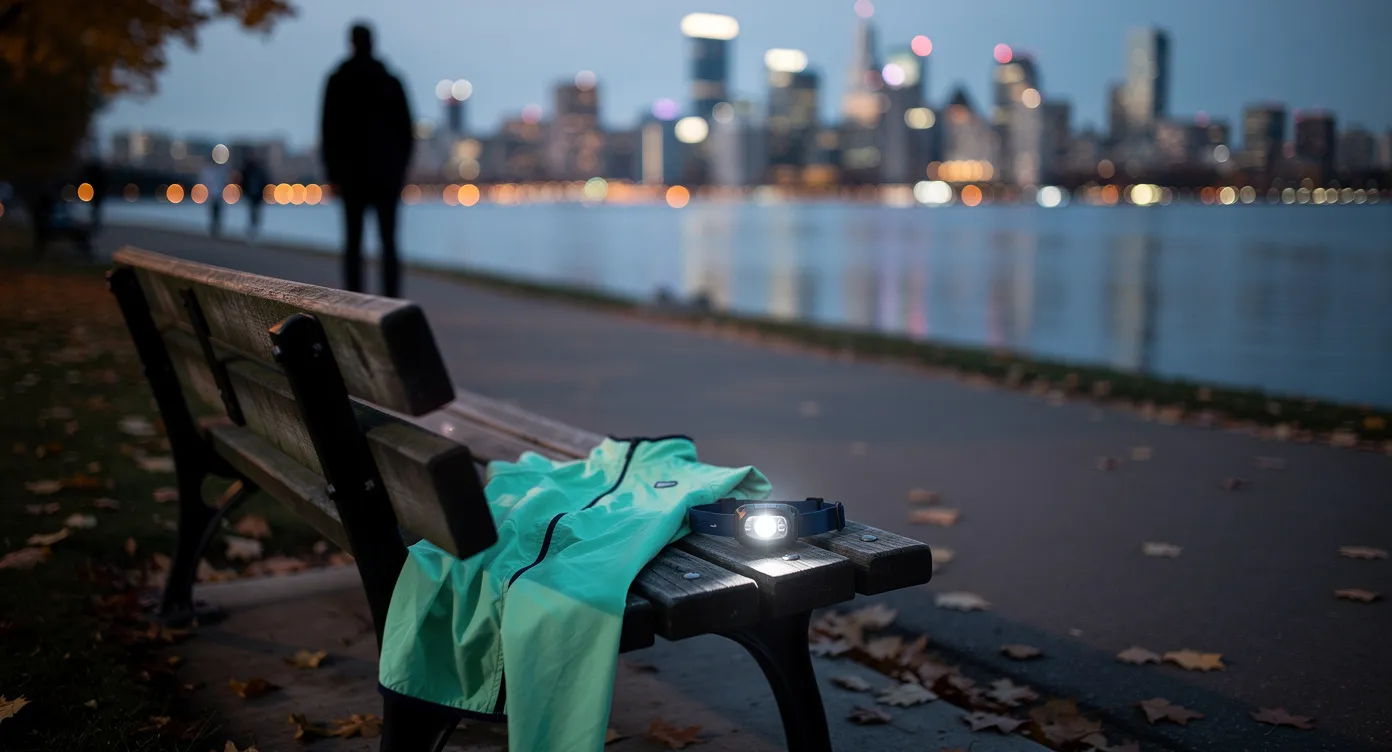
Drivers have a much harder time spotting pedestrians and runners after dusk, especially on wet evenings when headlights glare off the pavement. Dark leggings and a black jacket might look sleek, but they make you close to invisible at a crosswalk. Reflective gear works best on the parts of you that move, like your ankles and wrists, because motion catches a driver's eye faster than a static patch on your back.
Your route matters as much as your gear. Toronto's ravine trails, like the Don Valley and Humber paths, are beautiful by day but largely unlit and quiet after dark. Save them for weekend mornings. On weeknights, stick to well-lit, busier streets or the better-lit stretches of the Martin Goodman Trail along the waterfront. A few outdoor exercise safety habits make a big difference in fall:
- Wear reflective bands or a vest, plus a small clip-on light or headlamp
- Choose well-lit routes with steady foot traffic
- Run or walk facing traffic if there's no sidewalk
- Keep one earbud out, or keep the volume low, so you can hear cars and cyclists
- Share your location or planned route with a friend or partner
- Carry your phone and some form of ID
Watch your footing on wet leaves
Fallen leaves are one of the sneakier fall hazards in this city. After rain, a layer of wet maple leaves on a sidewalk can be almost as slippery as ice, and they hide cracks and uneven pavement underneath. Shorten your stride on leaf-covered stretches, slow down on hills, and choose shoes with decent tread. On the first frosty mornings of late October, bridges and shaded paths often freeze before anywhere else.
Dressing for Fall Running in Toronto
The classic rule for running in fall is to dress as if it's about 10 degrees warmer than the thermometer says. You'll feel chilly for the first five minutes, and that's the point. Once your body warms up, overdressing leaves you soaked in sweat, and damp clothing pulls heat away from you fast once you slow down.
Layering is your friend. Start with a moisture-wicking base layer and skip cotton, which holds onto sweat. Add a light insulating layer on colder days and a wind-resistant shell when the breeze comes off the lake. Toronto's wind can make 5°C feel much colder near the water. Light gloves and a headband that covers your ears are small items that make a big difference in comfort.
Cold, dry air can also irritate your airways. If you notice coughing, wheezing, or chest tightness on chilly runs, you're not alone. Our post on exercising outdoors safely with asthma in Toronto covers warm-up strategies and when to talk to your provider about a plan. Warming up indoors for five to ten minutes, and breathing through a light scarf or buff, can help too.
Rethinking Your Schedule for Shorter Days
Sometimes the most effective fall fitness move isn't better gear. It's a different time slot. Morning workouts get you outside in natural light, which helps anchor your body clock and may give your mood a lift for the rest of the day. If mornings aren't realistic, a brisk lunchtime walk catches the brightest part of the day. Downtown, the PATH network gives you kilometres of indoor walking when the weather turns ugly.
Indoor options count just as much. City of Toronto community centres offer affordable fitness programs and pools across the city. Bodyweight circuits in your living room, stair climbs in your condo building, and online yoga classes all move you toward Canada's physical activity guidelines. For adults, that's at least 150 minutes of moderate-to-vigorous activity a week, plus muscle-strengthening work at least twice a week. Twenty-minute sessions add up faster than you'd think.
If you followed our spring fitness guide for outdoor exercise in Toronto, think of fall and winter as maintenance season. You're not chasing new records. You're protecting the habit you built.
"The goal in November isn't a personal best. It's keeping the habit alive until the light comes back."
Keeping the whole family moving
Kids feel the early darkness too, especially once after-school park time disappears. Indoor play, weekend daylight outings, and family walks right after school can help fill the gap. Activity needs for children and teens differ from adult guidelines, so if you have questions about your child's activity, energy, or health, check in with a healthcare provider who cares for children.
Starting a new routine this fall? If you've been inactive for a while or live with a condition like high blood pressure, diabetes, or asthma, a quick check-in first is a smart move. At Care&, your NP can review your history and help you build a plan that fits your body and your schedule.
Annual check-ups with your own NP, every year.
See Membership PricingLow Energy, Sleep, and Fall Colds
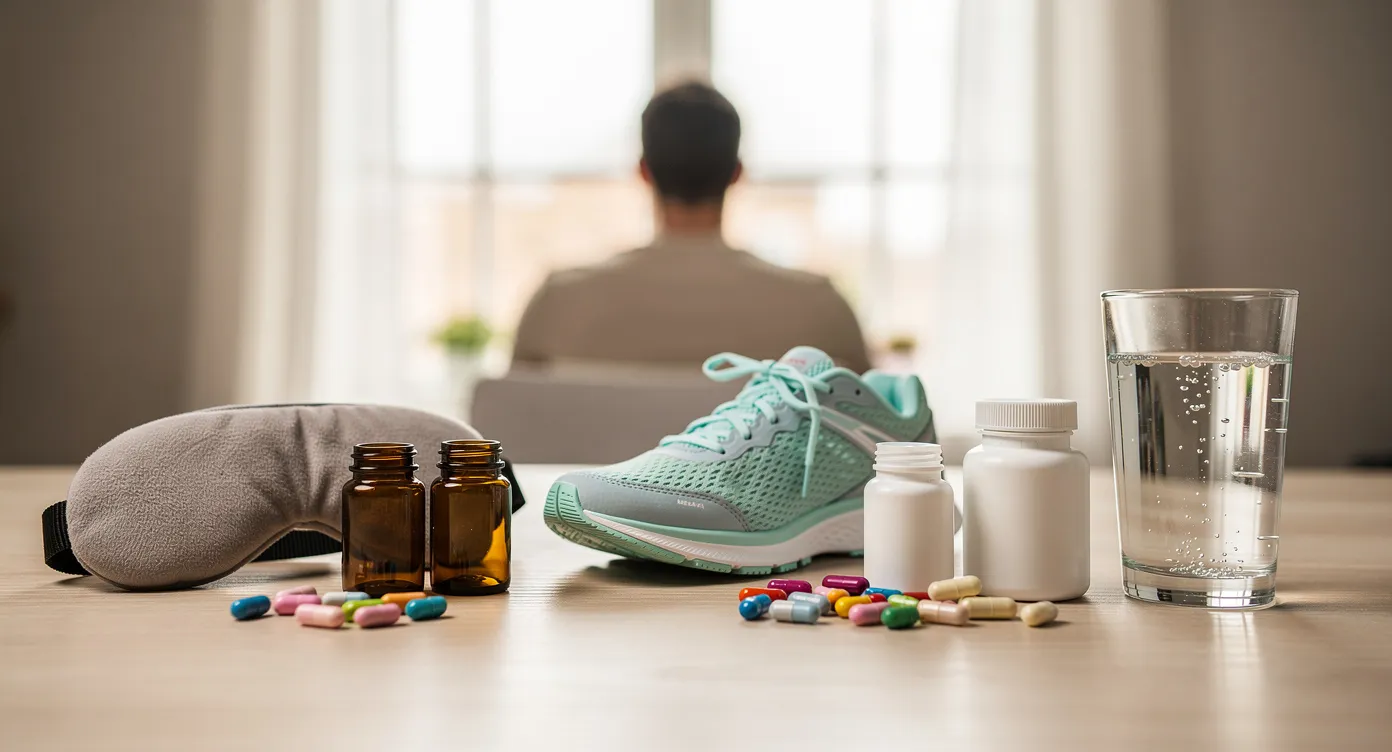
Some winter workout motivation problems aren't really about motivation. If you're dragging through every session, or you feel wiped out even after a full night's sleep, something else may be going on. Iron deficiency is common, especially in people who menstruate, follow a plant-based diet, or run long distances. Low vitamin D is also common in Canada because, from roughly October to March, the sun at our latitude is too weak for your skin to make much of it. Thyroid issues can also show up as fatigue.
These are all things simple bloodwork can help clarify. Programs like Care& Vitality focus on energy and overall wellness, with your provider looking at the full picture rather than just one symptom. If you're considering supplements like vitamin D or iron, talk with your provider about whether you need them and how much, as directed by your provider. If you're pregnant, breastfeeding, or planning a pregnancy, check with your provider before starting any new medication or supplement. If you take other medications, your provider can help you choose options that won't cause interactions.
Protecting your sleep
Good sleep and regular exercise support each other. Aim for consistent bed and wake times, even on weekends, and get outside in the morning when you can. If hard evening workouts leave you wired at bedtime, try moving intense sessions earlier and keeping evenings for gentle stretching or a walk.
Exercising with a cold
Fall brings a steady stream of colds. A common rule of thumb is the "neck check." If your symptoms stay above the neck, like a runny nose or mild sore throat, light activity is usually fine. If you have a fever, chest congestion, or body aches, rest instead. Most fall colds are viral, and our guide on whether you actually need antibiotics for fall infections explains when a visit makes sense.
Care& members can have lab work done on-premise, so checking iron or vitamin D levels doesn't mean a separate trip across town. Your results appear in the Care& app, and your NP walks you through what they mean for your energy and your training.
When to See Your Nurse Practitioner
Most seasonal slumps respond well to the practical changes above. Still, some situations call for a professional opinion. Book a visit if you're starting exercise after a long break with a chronic condition, if fatigue lingers for weeks despite decent sleep, or if low mood is affecting your work or relationships. The same goes for aches or injuries that aren't improving after a week or two of rest.
Stop exercising right away if you feel chest pain, pressure, or tightness, unusual shortness of breath, or dizziness during activity. If symptoms are severe or don't settle quickly, call 911.
If you already have a family doctor through OHIP, they're a great place to start. Many people in Ontario don't, though, or find it hard to get a timely appointment with enough time to talk things through. That's where Family Practice at Care& fits in. Care& is not covered by OHIP. Membership is $450 plus HST a year for unlimited visits, or you can pay $100 per visit, in person or by phone or video. You see the same Nurse Practitioner every time, in person at our Yorkville clinic, or through Virtual Care by phone or video when a dark November evening makes staying home more appealing. Appointments are available Monday to Friday, 8 a.m. to 5 p.m.
Frequently Asked Questions
Is it safe to run in the dark in Toronto?
It can be, with some planning. Wear reflective gear and a light, choose well-lit routes with other people around, and keep your ears open to traffic. Save unlit ravine trails for daylight hours, and let someone know where you're headed.
How cold is too cold to exercise outside?
Most healthy adults can exercise outdoors well below freezing if they dress in layers and cover exposed skin. Pay attention to wind chill, since the risk of frostbite rises quickly once it drops into the minus twenties. If you have asthma or a heart condition, ask your provider what's safe for you.
Should I take vitamin D in the fall and winter?
Many Canadians don't get enough vitamin D in the darker months, and supplements are a common option. The right amount depends on your age, diet, and health history, so take it as directed by your provider. If you're pregnant, breastfeeding, or planning a pregnancy, check with your provider before starting.
I'm new to Toronto and don't have a family doctor. Where can I get a check-up?
Finding a family doctor in Toronto can take time, and some newcomers are still waiting for OHIP coverage to begin. Care& Family Health doesn't require OHIP or a referral. You can become a member and see a dedicated NP for check-ups, bloodwork, and ongoing care while you settle in.
Ready to prioritize your health?
Book an appointment with our experienced Nurse Practitioners today.
Book AppointmentOr call us at (647) 951-4770