The Truth About Energy Drinks: Health Risks for Teens and Safer Alternatives Toronto Families Can Trust

The Truth About Energy Drinks: Health Risks for Teens and Safer Alternatives Toronto Families Can Trust

Teen schedules in Toronto can be relentless: early classes, practices that run late, part‑time jobs, and homework after dinner. It’s no surprise that many adolescents reach for energy drinks to get through the day. The cans are everywhere—corner stores, arenas, vending machines—and the marketing is persuasive. But the more we learn, the clearer it becomes: energy drinks aren’t a harmless boost for growing bodies and brains.

At Care&, we believe families deserve clear, practical guidance. This article breaks down what’s inside energy drinks, the real risks for teens, how much caffeine is “too much” according to Canadian guidance, and safer swaps that actually help. You’ll also find a step‑by‑step plan to reduce energy drink use and when to check in with a health professional.

Along the way, we’ll share how Care&’s Nurse Practitioner‑led model supports families with unrushed, on‑time medical appointments, on‑site lab services, and unlimited healthcare appointments through membership—care that feels like a trusted medical clinic partner rather than a quick stop at a walk-in clinic.

Why Teens Reach for Energy Drinks

  • Long days and short nights: Early starts and late study sessions leave teens tired and looking for a quick fix.
  • Sports performance: Many young athletes believe caffeine will improve endurance or focus—especially before or during games.
  • Social influence and marketing: Bright cans and big promises make energy drinks feel normal, even “healthy.”
  • Convenience: Energy drinks are easy to find and often cheaper than healthier snacks.

These realities are relatable—and solvable. The key is understanding what energy drinks do inside a developing body.

What’s Really in an Energy Drink

Ingredients vary, but most have a similar core:

  • Caffeine: Often 80–300 mg per can or bottle. Some “energy shots” contain even more.
  • Sugar: Commonly 25–62 grams per serving—more than many soft drinks.
  • Additives: Taurine, guarana (a hidden extra source of caffeine), ginseng, L‑carnitine, and B vitamins.
  • Sweeteners and acids: Contribute to dental erosion and potential GI upset.

Two important points:

  1. Guarana adds caffeine beyond what’s listed from coffee/tea extracts. Total caffeine can be higher than it seems.
  2. Many cans are more than one “serving,” even if most teens consume the whole container.

How Caffeine Affects a Teen Body and Brain

Health Canada advises limiting caffeine in children and adolescents to about 2.5 mg per kilogram of body weight per day. For a 50 kg teen, that’s roughly 125 mg daily—less than many energy drink cans. Exceeding that amount increases the risk of:

  • Sleep disruption: Caffeine shortens deep sleep and delays REM, even if teens fall asleep.
  • Mood symptoms: Higher rates of irritability, anxiety, and jitteriness.
  • Heart effects: Palpitations, increased blood pressure, and, in rare cases, abnormal rhythms—especially in those with underlying heart conditions.
  • GI and urinary symptoms: Nausea, stomach upset, and dehydration.
  • Dependence and withdrawal: Headaches, fatigue, and low mood when caffeine is reduced suddenly.

The adolescent brain is still developing executive function, emotional regulation, and sleep architecture. Regular high‑dose caffeine can undermine these processes and compound academic and mental health challenges.

Care& App Feature: Track Sleep and Energy Levels

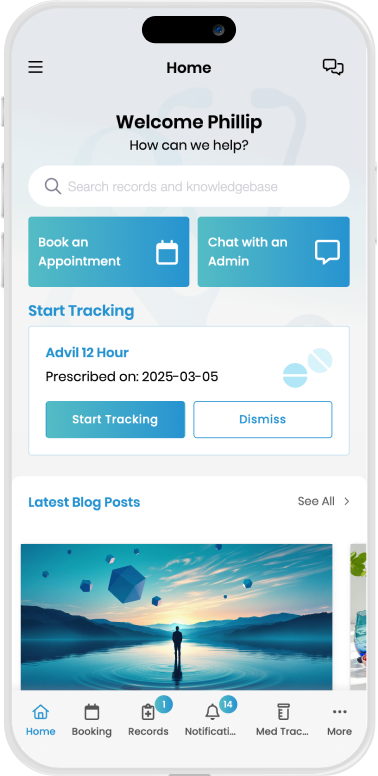
With the Care& app, teens and parents can track sleep patterns, caffeine intake, and daily energy levels to identify connections and monitor improvements as habits change.

Learn About Our App

The Real Risks for Teens

1) Sleep and School Performance

  • Caffeine can delay sleep onset by 1–3 hours and reduce restorative stages.
  • Short sleep correlates with lower concentration, reaction time, and test performance.
  • Next‑day fatigue fuels a cycle of more caffeine and less sleep.

2) Mood, Anxiety, and Attention

  • High caffeine can heighten anxiety and amplify stress responses.
  • Teens with ADHD may be more sensitive to sleep loss caused by caffeine, which can worsen attention during the day.
  • For those with underlying anxiety or depression, energy drinks can intensify symptoms.

3) Heart Health

  • Palpitations, chest discomfort, and elevated blood pressure can occur even in healthy adolescents.
  • Families with a history of arrhythmias or sudden cardiac events should be especially cautious.
  • Mixing energy drinks with intense exercise can increase heart strain through dehydration and stimulants.

4) Dehydration and Kidney Strain

  • Caffeine has a mild diuretic effect, and high sugar pulls more water into the gut.
  • During sports, dehydration increases the risk of cramps and heat illness.

5) Dental Health

  • Sugar + acidity erodes enamel and increases cavity risk.
  • Sipping over hours is particularly harmful.

6) Dependence and Withdrawal

  • Daily high caffeine intake can lead to dependence.
  • Headaches, sleepiness, and low mood are common when cutting back quickly.

7) Dangerous Combinations

  • Alcohol: Stimulants can mask intoxication, raising the risk of alcohol‑related harm.
  • Certain medications: Stimulant ADHD medications, decongestants, some asthma medications, and SSRIs may increase side effects when combined with high caffeine. Always check in with a clinician.

Concerned About Your Teen’s Energy Drink Consumption?

Schedule an appointment with a Care& Nurse Practitioner to discuss personalized strategies for reducing caffeine dependency and improving natural energy levels.

Book an Appointment

How Much Is “Too Much”? A Quick Guide

Use Health Canada’s general guide: 2.5 mg of caffeine per kg of body weight per day.

  • 40 kg teen: ~100 mg/day
  • 50 kg teen: ~125 mg/day
  • 60 kg teen: ~150 mg/day

One common energy drink can easily exceed these limits. A brewed tea (about 30–50 mg per cup) or a small brewed coffee (80–100 mg) can also put teens near their daily maximum, especially if they have chocolate, soda, or iced tea too.

Label reading tips:

  • Check the total caffeine per container, not just per “serving.”
  • Watch for guarana—this often means extra unlisted caffeine.
  • Beware “energy shots”—small volume, big dose.
  • Scan sugar grams. More than 24 g per serving is substantial for teens.

Safer Alternatives That Actually Help

Energy isn’t just about stimulants—it’s about biology, routine, and fuel. These strategies support real, sustainable energy.

1) Sleep Foundations

  • Aim for 8–10 hours for most teens. Consistency matters more than perfection.
  • Caffeine cut‑off: No caffeine after 2 p.m. on school nights (earlier for sensitive teens).
  • Screen wind‑down: Dim lights and reduce screens 60 minutes before bed.
  • Try a predictable routine: Light snack, shower, set out clothes, lights out.

2) Food That Fuels

  • Start the day: Pair protein + complex carbs. Examples: yogurt with berries and granola; egg and whole‑grain toast; peanut butter and banana wrap.
  • Iron‑rich foods: Lean meats, beans, lentils, tofu, spinach, fortified cereals; pair with vitamin C for better absorption.
  • Steady snacks: Trail mix, cheese and crackers, hummus and veggies, fruit + nuts.
  • Hydration: Water first. Milk or soy milk adds protein and micronutrients. Smoothies with yogurt and fruit can be a good pre‑practice option.

If fatigue persists, consider a medical appointment to check for iron deficiency or thyroid issues. Care& provides on‑site lab collection and can coordinate testing when warranted.

3) Movement and Daylight

  • Short, frequent movement breaks (2–5 minutes) can boost energy better than a caffeine hit.
  • Morning daylight supports circadian timing and sleep quality that night.

4) Stress Skills

  • Simple breathing practices (4–6 breaths per minute for 1–2 minutes).
  • Create a “homework block” plan: 30–45 minutes focused, 5–10 minutes break.
  • If anxiety is significant, structured support helps. Care& offers anxiety treatment options backed by evidence.

5) Better Sports Fuel

  • For practices <60–75 minutes: Water is enough for most teens.
  • For longer, very intense sessions or heat: An electrolyte drink (not an energy drink) can be appropriate; look for lower sugar options.
  • Recovery: Chocolate milk or yogurt + fruit provides protein and carbs to replenish muscles.

6) Lower‑Caffeine Options for Older Teens

  • Brewed tea (30–50 mg) instead of high‑caffeine drinks.
  • Half‑caf smoothies: Yogurt + fruit + a splash of decaf black tea if desired.
  • Herbal teas (peppermint, rooibos, chamomile) are caffeine‑free.

Care& App Feature: Nutrition & Hydration Tracking

Use our app to track hydration, meal timing, and snacks to identify patterns in energy levels throughout the day. Create a personalized nutrition plan with a Care& Nurse Practitioner to support your teen’s unique needs.

Join Care& Today

A Gentle Two-Week Step-Down Plan

Quitting all at once can backfire with headaches and irritability. A gradual plan often works better.

Week 1:

  • Replace half the energy drink with water or sparkling water (pour half, top up the rest).
  • Shift timing to earlier in the day. No caffeine after lunch.
  • Add one extra glass of water mid‑morning and mid‑afternoon.
  • Establish a 15‑minute bedtime wind‑down routine.

Week 2:

  • Step down to a lower‑caffeine option: brewed tea or a smaller coffee.
  • Introduce a consistent high‑protein breakfast.
  • Replace afternoon craving with a walk, music, stretch, or 5‑minute breathing practice.
  • Track sleep and energy in the Care& app to spot patterns and wins.

If headaches or irritability are severe, slow the reduction further. Most withdrawal symptoms improve within 3–5 days.

When to Seek Care

Book a medical appointment if your teen has:

  • Chest pain, fainting, heart racing that doesn’t settle, or severe dizziness after energy drinks (seek urgent care for severe symptoms).
  • Repeated headaches, nausea, or vomiting tied to caffeine use.
  • Persistent fatigue despite good sleep and nutrition.
  • Mood changes, anxiety, or attention concerns affecting school or relationships.
  • Symptoms that suggest iron deficiency (pallor, shortness of breath with exertion) or thyroid issues (temperature sensitivity, unexplained weight changes).

At Care&, Nurse Practitioners provide comprehensive primary care—including pediatric care, women’s health, and men’s health—and coordinate lab testing on‑site when needed. Our unrushed appointments start on time, helping families feel heard and supported.

If you’re searching for a “medical clinic near me” that understands adolescent health, Care& serves Toronto with two locations and a modern model of care.

How Care& Supports Toronto Families

  • Nurse Practitioner‑led care: Our Nurse Practitioners deliver primary care services comparable to a family doctor, including assessment, diagnosis, prescribing, and ongoing management. If you’ve been looking for a family doctor near me or family doctors accepting new patients, our model is a practical alternative to a traditional family doctor.
  • Continuity that matters: Unlimited healthcare appointments are available to members, so you never have to “save your concerns for later.” Questions about nutrition, sleep, anxiety, or sports fueling can be addressed as they arise.
  • On‑site lab collection: If we need to check iron, B12, thyroid, or other markers that affect energy, samples are collected in‑clinic and processed through external labs.
  • Time and convenience: We prioritize on‑time medical appointments with minimal waiting, and Care& typically offers same or next‑day availability at one of our locations. Care& is appointment‑based—an alternative to walk‑in clinic visits—so families can plan and arrive knowing time has been set aside for them.
  • Technology that helps: Through our medical app Toronto families can book in‑person or virtual appointment options, review results, and track sleep, vitals, and lab trends. Telehealth services via telemedicine fit around school and sports schedules.

Practical next step:

If energy drink use has become a habit in your home, a short check‑in with a Nurse Practitioner can make a big difference. Care& provides thoughtful guidance, personalized nutrition counseling, and anxiety treatment when needed—all in one coordinated care plan.

Care& App: Seamless Family Health Management

Our app helps families manage their health in one place—book appointments, message your care team, track health metrics, and access your health records securely.

It’s common to type “medical clinic near me,” “walk in clinic near me,” or “family doctor near me” when seeking help. Here’s how different options stack up for this topic:

  • Walk‑in clinics: Useful for quick, episodic issues, but may not offer detailed lifestyle counseling or follow‑up. Care& is an appointment‑based alternative to walk-in clinics, creating time for deeper conversations about sleep, stress, and nutrition.
  • Traditional family doctor offices: Excellent for continuity but often limited by time or availability. If you’re struggling to find family doctors accepting new patients, Care& offers a Nurse Practitioner‑led model that provides comprehensive primary care and ongoing support.
  • Nurse Practitioner Toronto care at Care&: Unrushed visits, coordinated labs, virtual follow‑ups, and proactive lifestyle coaching for the whole family—designed for sustained change, not quick fixes.

Location notes:

Families near Yonge and Lawrence often search for a “lawrence park medical clinic,” while those near Bloor and Avenue Road may look for “Yorkville medical clinic.” We also know that search terms aren’t always perfect—some people even type “yorkcille medical clinic” by mistake. Care& serves both areas with convenient access and the same quality of care.

Real‑World Strategies Families Can Use Now

  • Make it visual: Place a water bottle front and center in the fridge. Keep herbal tea bags or cold‑infused tea options ready.
  • Prep fuel: Batch make high‑protein muffins, yogurt parfaits, or overnight oats for busy mornings.
  • Game‑day plan: Bring water and a banana to practices. Save chocolate milk or a yogurt smoothie for after.
  • Build a family caffeine plan: Agree on cut‑off times and “caffeine‑free days.”
  • Track together: Use the Care& app to log sleep times and note energy levels. Seeing progress keeps teens motivated.

Care& offers nutrition counseling and pediatric care tailored to teens. If fatigue uncovers a health issue, our team coordinates next steps quickly so families don’t have to navigate multiple medical clinics.

For Coaches, Schools, and Workplaces

Energy drink use often shows up around sports and exam seasons. Care& partners with organizations through corporate health services to bring practical education to teams and classrooms. We also support parents through workplace wellness and employee healthcare solutions, helping families adopt healthier routines at home.

If your school or company is interested in a session on teen sleep, nutrition, and caffeine, Care& can help—virtually or in person.

A Balanced Takeaway

Energy drinks promise quick energy, but for teens they often trade short‑term alertness for long‑term costs: poorer sleep, heightened anxiety, and potential heart effects. The safest plan is to limit caffeine, prioritize sleep and nutrition, and choose hydration strategies that truly support performance.

Care& provides a supportive, evidence‑based path forward—whether that’s building a step‑down plan to replace energy drinks, screening for iron or thyroid issues, or coaching a high‑school athlete through better pre‑practice fuel. If finding a medical clinic that has time for your family has been tough, Care& offers unrushed, on‑time care with Nurse Practitioners who listen and guide.

A helpful next step:

Book a conversation with a Care& Nurse Practitioner to create a personalized plan for your teen. We typically offer same or next‑day availability at one of our Toronto locations. Appointments are required; Care& is not a walk‑in clinic. You can schedule an in‑person or virtual appointment and access your teen’s health plan in our app.

Book an Appointment

FAQ

Q1: Are any energy drinks safe for teens?

At Care&, we recommend avoiding energy drinks for adolescents. Health Canada’s general limit is about 2.5 mg/kg of body weight per day for caffeine, and many energy drinks exceed that in a single can. Older teens who choose caffeine should opt for lower‑dose options (such as brewed tea) earlier in the day, and prioritize sleep and nutrition.

Q2: My teen has early practice. How can they boost energy without caffeine?

Focus on sleep consistency, a protein‑rich breakfast (yogurt parfait, egg and toast), and hydration. Encourage a brief morning light exposure and a 2–3 minute movement routine. For sports days, bring water and a simple snack like a banana or trail mix. Care& can tailor a plan through nutrition counseling and pediatric care.

Q3: What symptoms mean we should stop energy drinks and seek care?

Seek a medical appointment if your teen has chest pain, palpitations that persist, fainting, severe headaches, repeated vomiting, or marked anxiety after energy drinks. Ongoing fatigue, poor sleep, mood changes, or suspected iron deficiency also warrant assessment. Care& can coordinate on‑site lab collection and follow‑up to clarify the cause.

Q4: We can’t find a family doctor near me. Can Care& provide ongoing primary care?

Yes. Care& is a Nurse Practitioner‑led medical clinic offering comprehensive primary care, similar to what many families expect from a family doctor. We are an appointment‑based alternative to walk‑in clinics and typically provide same or next‑day availability. Membership includes unlimited healthcare appointments and access to our app for results and care plans.

Q5: Do energy drinks interact with ADHD meds or anxiety medications?

High caffeine can amplify side effects of stimulant ADHD medications and may worsen anxiety or sleep with SSRIs or other treatments. At Care&, we review each teen’s medications, supplements, and routines to create a safe plan. If you’re unsure, book an appointment for a medication and lifestyle review—virtual or in‑clinic.

If you’re ready to move from quick fixes to durable habits, Care& provides the time, tools, and continuity to help your teen feel and perform their best.

Less Wait Time, More Face Time

Visit www.careand.ca to register

Contact Information:

📞 Phone: +1-647-951-4770

📧 Email: helpdesk@careand.ca

🌐 Website: www.careand.ca

Join Care& Today

Disclaimer: This article is for informational purposes only and does not constitute medical advice. Always consult with a qualified healthcare provider for personal medical guidance. The information provided is general in nature and may not apply to individual circumstances.

Similar Posts