Understanding Bronchitis vs. Pneumonia: When a Cold Becomes Serious in Toronto

Understanding Bronchitis vs. Pneumonia: When a Cold Becomes Serious in Toronto

When coughs and colds make the rounds in Toronto—especially through the fall and winter—it’s common to wonder, “Is this just a bad cold, or something more serious?” At Care&, we hear this concern every week from parents, professionals, students, and older adults alike. A nagging cough might simply be acute bronchitis. But sometimes the infection travels deeper into the lungs and becomes pneumonia, which can require medication and closer monitoring.

This guide explains the difference between bronchitis and pneumonia, how to spot red flags, what you can do at home, and when to book a medical appointment. You’ll also learn how Care&’s Nurse Practitioner-led approach can support timely, unrushed, and comprehensive care—both in clinic and through virtual appointments across Toronto.

What you’ll take away:

  • Clear symptom differences between bronchitis and pneumonia
  • Practical steps to manage coughs safely at home
  • Exactly when to seek care (including for children, older adults, and people with chronic conditions)
  • How diagnosis and treatment typically work in Canada
  • How Care& supports you with on-site sample collection, telehealth services, and follow-up that fits your life

Bronchitis vs. Pneumonia: What’s actually happening in your lungs

Think of your airways like an upside-down tree. The trachea and bronchi are the thicker “branches” carrying air into the lungs; the alveoli are the delicate “leaves” where oxygen enters your bloodstream.

  • Acute bronchitis is inflammation of the larger airways (the bronchi), usually caused by a virus. It’s often what people mean when they say they have a “chest cold.”
  • Pneumonia is an infection in the alveoli (air sacs), which can be viral or bacterial. Pneumonia can affect one small area or involve larger portions of the lungs and typically causes more serious symptoms.

Both conditions can start after a cold or flu, and both can cause a cough. The difference lies in how deep the infection goes, how unwell you feel, and which symptoms appear.

How bronchitis feels: Common symptoms and timeline

Acute bronchitis usually:

  • Starts with a cold or sore throat, then develops into a persistent cough
  • Produces mucus (clear, white, yellow, or green)
  • Causes chest tightness or soreness from coughing
  • May include mild wheezing or shortness of breath with exertion
  • Can cause low-grade fevers or chills
  • Typically lasts 1–3 weeks, with the cough sometimes lingering up to 4 weeks as airways heal

Key point: Most acute bronchitis is viral, which means antibiotics won’t help it resolve faster. The focus is on symptom relief, rest, hydration, and monitoring for red flags.

How pneumonia feels: Symptoms that usually stand out

Pneumonia often looks and feels more severe than bronchitis:

  • Higher or persistent fever (38.0°C/100.4°F or higher)
  • Shortness of breath at rest or with minimal activity
  • Rapid breathing or heartbeat
  • Sharp chest pain with deep breaths or coughing
  • Marked fatigue, dizziness, or confusion (confusion is a red flag in older adults)
  • Persistent, worsening cough with mucus that may be discoloured or blood-streaked
  • Loss of appetite or dehydration

Not all pneumonia causes high fever—especially in older adults or those with weaker immune systems. That’s why energy level, breathing, and mental clarity are important clues.

Who is at higher risk for complications

While many healthy adults recover from bronchitis or mild pneumonia at home, some groups are more vulnerable and should seek care sooner:

  • Adults 65+
  • Babies and young children (especially under 2 years)
  • People who are pregnant
  • Those with asthma, COPD, heart disease, diabetes, kidney or liver disease
  • People who are immunocompromised
  • Those who smoke, vape, or have frequent second-hand smoke exposure

Care& provides pediatric care and supports adults across women’s health and men’s health. If respiratory symptoms are affecting your sleep, stress levels, or appetite, our Nurse Practitioners can also support anxiety treatment and nutrition counseling—because breathing and wellbeing are closely linked.

When to seek care: Red flags you should not ignore

Book a medical appointment promptly if you or your child has:

  • Shortness of breath at rest, trouble speaking full sentences, or breathing that is getting worse
  • Chest pain when breathing in
  • Blue, grey, or pale lips/skin
  • A fever that persists beyond 3 days, or returns after initial improvement
  • A cough that lasts more than 3–4 weeks or is worsening
  • Signs of dehydration (dry mouth, peeing less, dizziness)
  • Confusion, extreme fatigue, or new weakness
  • In babies: poor feeding, fast breathing, grunting, ribs pulling in with breaths, fewer wet diapers, lethargy, or any concerning change

Important: Seek emergency care or call 911 for severe breathing difficulty, severe chest pain, confusion, fainting, or if someone looks critically unwell. In Ontario, you can also call Health811 (dial 811) for nursing advice 24/7.

Care& is appointment-based (not a walk-in clinic), but typically offers timely access at our Yorkville and Lawrence Park locations and via telemedicine. If you’re searching online for a “medical clinic near me” or “walk in clinic near me,” and would prefer an alternative to traditional walk-in clinics, our Nurse Practitioner-led model may fit your needs. We focus on unrushed appointments that start on time, with follow-up and an integrated medical app to keep you supported between visits.

Need to check your symptoms with a healthcare professional?

Book an appointment today with a Care& Nurse Practitioner – typically available same-day or next-day.

Book an Appointment

How we diagnose bronchitis vs. pneumonia

At Care&, diagnosis starts with a thorough history and exam, including:

  • Listening for crackles, wheezes, or reduced breath sounds
  • Checking oxygen saturation, pulse, breathing rate, and temperature
  • Considering age, risk factors, and symptoms’ duration

Depending on the situation, we may arrange:

  • Chest X-ray: to look for pneumonia. Imaging is performed at external facilities; we provide requisitions and coordinate results.
  • Nasal/throat swabs: to test for viruses like influenza or COVID-19 when it changes treatment.
  • Blood tests: when indicated to assess inflammation, oxygen-carrying capacity, or hydration. Our on-site lab at Care& is designed for sample collection; specimens are sent to external labs for analysis.

For patients with asthma or COPD, we assess whether bronchospasm (airway tightening) is contributing to symptoms—sometimes requiring inhalers.

Treatment: What helps—and what doesn’t

Most acute bronchitis is viral and improves with time. Pneumonia can be viral or bacterial; when bacterial pneumonia is suspected, antibiotics are prescribed.

What helps for acute bronchitis:

  • Hydration and rest: Warm fluids can thin mucus and soothe the airway.
  • Fever relief: Acetaminophen or ibuprofen (if safe for you) can bring down fever and ease discomfort. Always follow dosing instructions and consult for children.
  • Honey for cough (age 1+ only): Evidence shows a teaspoon of honey can reduce nighttime coughing in children over one year.
  • Humidified air and steam: Can ease irritation. Avoid very hot steam with children.
  • Saline nasal rinses/sprays: Helpful if congestion is worsening post-nasal drip cough.
  • Inhalers: If wheezing or asthma-like symptoms are present, a short-acting bronchodilator can help. This requires an assessment and prescription.

What to avoid:

  • Antibiotics for routine viral bronchitis
  • Over-the-counter cough/cold medications in young children (seek advice; many are not recommended under age 6)
  • Smoking or vaping; irritants prolong inflammation and delay healing

Pneumonia management:

  • Viral pneumonia: Supportive care similar to bronchitis; antivirals may be considered for influenza if started early.
  • Suspected bacterial pneumonia: An antibiotic targeted to the most likely organism, taking into account age and health history. It’s important to complete the full course, even if you feel better early.
  • Monitoring: Watch for improving breathing, fever, and energy over 48–72 hours. If symptoms worsen or fail to improve, reassessment is needed.
  • Follow-up: Many adults with mild pneumonia recover at home with close follow-up via telehealth services or clinic visits. Hospital care is needed for people who are more unwell or at risk of complications.

Care& provides telemedicine and in-person follow-up so you don’t have to wonder if you’re on the right track. Members benefit from unlimited healthcare appointments, which is especially helpful for respiratory infections that may need a check-in as symptoms evolve.

Experiencing respiratory symptoms?

Care& members receive unlimited healthcare appointments, making it easier to get follow-up care as your symptoms evolve.

Learn About Membership

Children and respiratory infections: Special considerations

Kids get coughs frequently, and most are caused by viruses. However, children can deteriorate more quickly than adults, so early assessment is key when red flags appear.

  • Babies under one year and children with chronic conditions should be evaluated sooner.
  • For children under 6 years, many OTC cough and cold products are not recommended.
  • Seek care urgently if your child is breathing fast, has ribs pulling in with each breath, is grunting, feeding poorly, or is unusually sleepy or irritable.
  • Fever that persists beyond 72 hours, or returns after improving, warrants a reassessment.

Our pediatric care addresses both acute infections and underlying issues like asthma management, allergies, and recurrent infections. Care&’s secure app allows parents to manage linked child accounts, book video visits, and access lab results in one place.

App Feature: Care&’s secure medical app allows parents to manage linked child accounts in one place, making it easy to book appointments, view health records, and track your child’s health. Learn more about our app

How to care for yourself at home: A practical step-by-step

If you suspect acute bronchitis or a mild respiratory infection:

  1. 1
    Rest and hydrate: Aim for clear urine and steady, small sips if your appetite is low.
  2. 2
    Treat fever and discomfort: Use acetaminophen or ibuprofen if safe for you.
  3. 3
    Moisturize the air: Use a clean humidifier, especially at night. Keep filters and tanks clean to prevent mold.
  4. 4
    Soothe the cough: Honey for ages 1+; warm tea, broth, or lemon water can help.
  5. 5
    Avoid smoke and vaping: These irritate airways and prolong coughs.
  6. 6
    Gentle movement: Short walks can help mobilize secretions if you feel up to it.
  7. 7
    Monitor symptoms: Track fever, breathing, and energy. If not improving after a few days—or if red flags appear—book an assessment.

Care& can guide you through what to try first and what to track. If you struggle to find a family doctor near you, our Nurse Practitioner Toronto team provides comprehensive primary care that functions as an alternative to a family doctor, with easy access to records and treatment plans through our medical app Toronto patients use daily.

Prevention: Reduce your risk of serious lung infections

  • Vaccinations: Annual flu shots for anyone 6 months and older; stay up to date with COVID-19 boosters; pneumococcal vaccination for adults 65+ and those at higher risk. Care& can assess your vaccine status and provide requisitions and documentation.
  • Hand hygiene: Wash hands regularly and avoid touching your face.
  • Stay home when sick: Especially during the first few days of symptoms to protect others.
  • Improve indoor air: Ventilate when possible; consider HEPA filtration during peak virus seasons.
  • Manage underlying conditions: Good control of asthma, diabetes, and heart conditions lowers risk.
  • Lifestyle measures: Sleep, balanced nutrition, and regular physical activity support immune health. Care& offers nutrition counseling and wellness support if you’re rebuilding after an illness.

For workplaces, our corporate health services support seasonal vaccination programs, return-to-work assessments, and employee healthcare solutions that reduce sick days and improve workplace wellness.

Need help keeping your family healthy this season?

Care&’s Nurse Practitioners can provide personalized prevention strategies, manage chronic conditions, and support your family’s health.

Explore Family Practice

Where to go for care in Toronto: Medical clinic, virtual visit, or ER?

  • Mild to moderate symptoms without red flags: Start with a Nurse Practitioner-led medical clinic visit or a virtual appointment. If you’re searching for a “medical clinic near me,” consider whether you want continuity of care and follow-up. Care& is an appointment-based alternative to walk-in clinic models, with unrushed visits and a connected app for lab results and prescriptions.
  • Significant shortness of breath, chest pain, confusion, severe dehydration, or a very unwell child: Seek emergency care or call 911.

If finding family doctors accepting new patients has been difficult, Care& provides primary care through Nurse Practitioners who can diagnose, treat, order labs and imaging, prescribe medications, and coordinate referrals. Our model is designed to be an alternative to walk-in clinic visits and an alternative to a traditional family doctor when that makes sense for you, with the added benefit of on-time medical appointments and integrated health records.

How Care& supports you through coughs, bronchitis, and pneumonia

Care& is a modern, Nurse Practitioner-led medical clinic in Toronto with two convenient locations:

  • Care& Yorkville
  • Care& Lawrence Park (our Lawrence Park medical clinic)

We provide:

  • Unrushed, on-time medical appointments
  • Unlimited clinic and virtual appointments for members
  • On-site sample collection for blood work and swabs, with results integrated into your record
  • Evidence-based care for acute concerns and chronic conditions
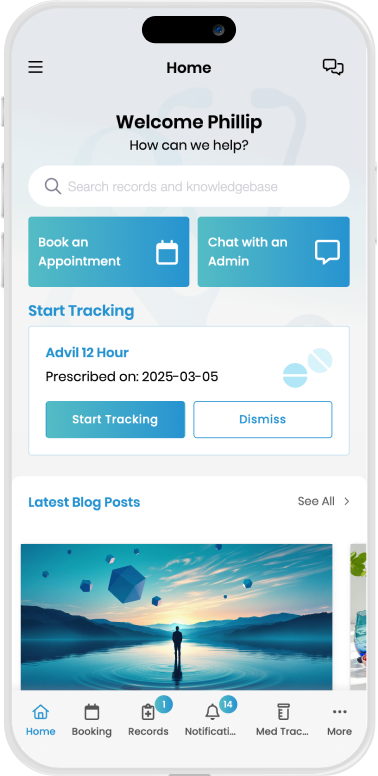
  • A comprehensive mobile app for booking, secure messages with our admin team, viewing lab results, prescription refills, and health tracking

If you’ve been relying on “walk in clinic near me” searches because you can’t find a family doctor near you, Care& offers a convenient, relationship-based option. While we’re not a walk-in clinic, we typically offer same or next-day availability at one of our locations or via telemedicine, so you can be seen promptly without sacrificing continuity and follow-up.

For families, our pediatric care supports everything from chest colds to asthma action plans. For adults, we integrate women’s health and men’s health screenings into your care, so respiratory health isn’t treated in isolation. And for businesses, we partner on employee healthcare solutions that keep teams healthy through seasonal surges.

If you’re reading this because a cough isn’t getting better, we can help you decide what to do next—whether that’s home care, an in-person assessment, or a virtual check-in to decide if imaging or antibiotics are appropriate.

Ready for a different kind of healthcare experience?

Download the Care& app for on-demand healthcare at your fingertips. Book appointments, message our team, and access your health records all in one place.

Practical examples: What this looks like in real life

The lingering post-cold cough

You’ve had a sore throat and runny nose for a week; now the cough is deep and waking you at night. You feel tired but have no high fever or chest pain. A Care& Nurse Practitioner can assess your lungs, check oxygen levels, and ensure there’s no pneumonia. If it’s acute bronchitis, you’ll leave with a clear plan for symptom relief, and we’ll book a virtual follow-up if needed.

The “am I missing pneumonia?” worry

You’ve had a fever for three days, you’re short of breath walking across the room, and your chest hurts when you take a deep breath. We’ll assess you urgently, arrange a chest X-ray if appropriate, and start antibiotics if bacterial pneumonia is likely. We’ll also set up follow-up within 48–72 hours to make sure you’re improving.

The child who’s working harder to breathe

Your toddler has been coughing for a couple of days and now the ribs are pulling in with each breath. This is a red flag that needs an urgent in-person assessment. Care& can evaluate breathing, oxygen levels, and hydration, and coordinate hospital care if needed.

A note on antibiotics and resistance

At Care&, we prescribe antibiotics when the benefits outweigh the risks—such as likely bacterial pneumonia or a complication of bronchitis. When bronchitis is viral, antibiotics don’t help and can contribute to antibiotic resistance, side effects, and gut microbiome disruption. If you’ve been prescribed antibiotics, take them exactly as directed and complete the full course unless we advise otherwise.

The role of follow-up and continuity

Respiratory infections can change quickly. Structured follow-up is one of the most important parts of safe care. With Care&, you can:

  • Book a virtual appointment to review next steps if your cough worsens or your fever returns
  • View lab results and X-ray reports in your app, with guidance on what they mean
  • Track symptoms and medications in one place
  • Schedule an in-person reassessment if recovery isn’t on track

For many people, unlimited healthcare appointments lower the stress of “Is this getting better?” You’re never left guessing.


If you’re struggling to breathe comfortably, worrying about pneumonia, or just unsure what to do next, Care& provides timely, unrushed assessments with Nurse Practitioners who listen, explain, and guide you step by step. Book through our app or website to be seen at our Yorkville or Lawrence Park locations, or choose a virtual appointment if that’s easier today.

We’re a patient-first, appointment-based alternative to walk-in clinics and to the traditional search for “family doctors accepting new patients.” Our goal is comprehensive, connected care with minimal delays and maximum clarity, so you can recover with confidence.

Ready to feel better?

Book an appointment at Care& today for comprehensive respiratory assessment and personalized treatment.

Book Now


FAQs

Q1: How long does a bronchitis cough usually last?

A lingering cough for 2–3 weeks is common after acute bronchitis, and some people cough up to 4 weeks as the airways heal. Symptoms should trend in the right direction after the first week. If your cough is worsening, keeping you from sleeping, or lasts beyond 3–4 weeks, Care& recommends a medical appointment to rule out pneumonia, asthma flare, or another cause.

Q2: How can I tell if I need antibiotics?

Antibiotics are used when bacterial pneumonia or another bacterial complication is likely. Signs include persistent or high fever, shortness of breath, chest pain with breathing, and feeling significantly unwell. At Care&, a Nurse Practitioner will assess your symptoms, exam findings, and risk factors, and arrange tests such as a chest X-ray when appropriate before prescribing.

Q3: Can a virtual appointment assess lung issues effectively?

Yes—telemedicine can assess many respiratory concerns. We review your symptoms, risk factors, and history; guide you through a self-exam; and decide if you need an in-person visit, imaging, or prescriptions. If needed, we’ll arrange an in-clinic assessment at Care& or provide requisitions for tests. Follow-up can often continue through telehealth services as you recover.

Q4: My child has a cough. What can I safely give them?

For children over one year, a teaspoon of honey at bedtime can help nighttime cough. Use acetaminophen or ibuprofen for fever if appropriate and follow dosing guidelines. Avoid OTC cough/cold medicines in children under six unless advised. If breathing is fast or laboured, or your child is drinking less and has fewer wet diapers, book care promptly. Care& provides pediatric care with clear, age-specific guidance.

Q5: I can’t find a family doctor near me—how can Care& help?

Care& offers comprehensive primary care with Nurse Practitioners in Toronto. If you’ve struggled to find family doctors accepting new patients, our appointment-based model provides an alternative to a family doctor and an alternative to a walk-in clinic. Members have access to unlimited appointments, on-site sample collection, and a connected app for records, prescriptions, and booking—typically with timely availability at our Yorkville and Lawrence Park medical clinics.

Less Wait Time, More Face Time

Visit www.careand.ca to register

Contact Information:

📞 Phone: +1-647-951-4770

📧 Email: helpdesk@careand.ca

🌐 Website: www.careand.ca

Disclaimer: This article is for informational purposes only and does not constitute medical advice. Always consult with a qualified healthcare provider for personal medical guidance. The information provided is general in nature and may not apply to individual circumstances.

Similar Posts