Hormonal Hair Loss in Women: What’s Normal, What’s Not, and How Toronto Women Can Take Control


Hormonal Hair Loss in Women: What’s Normal, What’s Not, and How Toronto Women Can Take Control

Hair in the shower drain, on your brush, on the bathroom floor—when does “normal shedding” cross into something more? Many women in Toronto quietly worry about hair loss, yet feel unsure where to turn or how to talk about it. At Care&, we see this every week: postpartum parents surprised by clumps of hair, women in their 30s struggling with pattern thinning, and those navigating perimenopause and wondering if this is just how it goes.

Here’s the good news: most hair loss in women is manageable when we catch the cause early and follow a thoughtful plan. In this guide, Care& explains how to distinguish normal shedding from a medical issue, what labs and treatments can help, and how Nurse Practitioner-led care supports you at every step—without rushed visits or long waits.

What you’ll learn:

  • What healthy hair shedding looks like—and when it’s too much
  • The most common hormonal drivers of hair loss in women
  • How to self-check at home and what to discuss at a medical appointment
  • Evidence-based treatments and daily habits that genuinely help
  • How Care& supports women’s health with unrushed, on-time visits, on-site lab collection, and continued guidance through our app and telemedicine

Hair Growth 101: Why Some Shedding Is Normal

Understanding the hair cycle makes everything less scary. Scalp hair moves through four phases:

  • Anagen (growth): Lasts 2–7 years. Most hairs are here.
  • Catagen (transition): A brief changeover phase.
  • Telogen (rest): Lasts about 3–4 months.
  • Exogen (shedding): The hair releases and falls out.

It’s normal to shed 50–100 hairs per day. Some people notice slightly more in the fall and spring—seasonal shedding is real. If you’re losing more than that consistently, for several weeks, or your part looks wider, that could signal a medical issue.

Two patterns commonly cause confusion:

  • Telogen effluvium: Diffuse shedding across the scalp, often triggered by stress, illness (including COVID-19), iron deficiency, major life changes, or hormone shifts like postpartum or stopping birth control. It usually appears 2–3 months after a trigger and can improve over 6–9 months once the trigger is addressed.
  • Female pattern hair loss (androgenetic alopecia): Gradual thinning at the crown and widening part. Hairs miniaturize (get finer), and density slowly declines over years. Hormonal sensitivity and genetics drive this pattern.

Patchy loss, broken hairs, scalp pain, or visible inflammation suggest other causes (e.g., alopecia areata, traction alopecia, scalp conditions) and deserve a prompt assessment.

Care& App Feature: Track Your Hair Changes

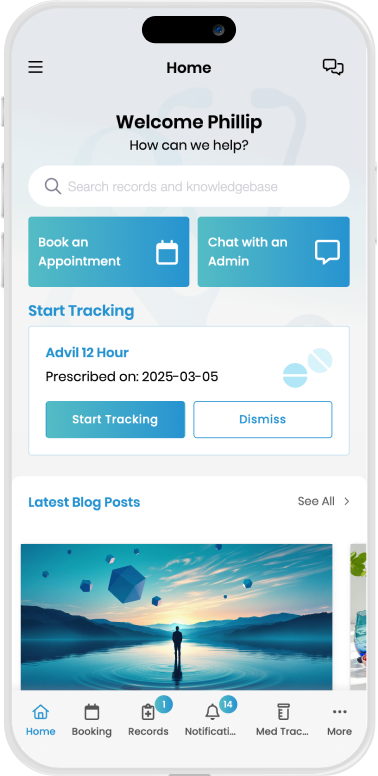
Use the Care& app to document your hair concerns with secure photo uploads and notes. Compare changes over time and share this information directly with your healthcare provider.

Learn About Our App

Hormones and Hair: The Usual Suspects

Hormones don’t act alone—nutrition, stress, and genetics all matter. But these hormonal scenarios commonly show up in clinic:

Postpartum shedding

During pregnancy, more hairs stay in growth phase. After delivery, they shift into telogen together. Most women notice shedding 2–4 months postpartum that peaks around month 4–5 and settles by 9–12 months. If shedding is severe at 9 months postpartum, or accompanied by fatigue or low mood, it’s worth checking iron, thyroid, and vitamin D.

Thyroid dysfunction

Both hypothyroidism and hyperthyroidism can cause shedding and hair texture changes. Look for weight shifts, temperature intolerance, constipation or diarrhea, menstrual changes, and fatigue. A simple TSH (and sometimes free T4) can clarify.

Perimenopause and menopause

Fluctuating or lower estrogen can tilt the balance toward androgen effects on follicles, leading to pattern thinning over time. Many women also have coincident iron deficiency and stress-related shedding that amplify the issue.

Polycystic ovary syndrome (PCOS)

Elevated androgens can contribute to thinning on the scalp with acne, irregular cycles, and sometimes excess facial/body hair. PCOS management often improves hair outcomes.

Contraceptive changes

Starting, stopping, or switching hormonal contraception can trigger temporary telogen effluvium. This usually self-corrects within months.

Medications and illness

Major surgery, COVID-19, significant weight loss, nutritional deficiency, and some medications can trigger shedding. If you’ve had a recent illness or changed medication, mention it at your appointment.

Is This Normal Shedding? Simple At-Home Checks

You don’t need special tools to get a clearer picture. Try these:

The 60-second hair count

Comb hair forward over a towel for 60 seconds before washing. Count shed hairs. Repeat for 3 days; averages above 100 may be worth discussing.

The part test

Take a photo of your part in bright light monthly. Compare width over time. If it’s widening, that suggests miniaturization rather than just shedding.

The pull test

Gently run fingers through a small section of hair and tug lightly. If more than a few hairs come away each time in multiple areas, that supports shedding.

The calendar check

Did you have a trigger 2–3 months ago (illness, birth, stress, major life change)? Telogen effluvium often follows a clear timeline.

In the Care& app, patients often use secure notes and photo uploads to track changes over time alongside their cycle logs—especially helpful postpartum or during perimenopause.

When Hair Loss Signals a Medical Issue

Book a medical appointment if you notice:

  • Shedding that lasts longer than 6–8 weeks or continues beyond 9–12 months postpartum
  • A wider part or thinning at the crown
  • Patchy hair loss (round or irregular bald patches)
  • Scalp pain, itching, scaling, or redness
  • Hair loss plus fatigue, weight changes, feeling cold, or menstrual changes
  • A history of iron deficiency or heavy periods
  • New medications around the time shedding began

At Care&, Nurse Practitioners can evaluate your scalp, review medical history, and order targeted blood work. Our on-site lab streamlines sample collection, and tests are analyzed at external laboratories. When medically indicated, many lab analyses are covered by OHIP even though Care& visits aren’t OHIP-funded.

What We Assess in Clinic—and Why

A thoughtful workup helps us treat the cause, not just the symptom. Based on your story and exam, we may consider:

CBC and ferritin

Low ferritin (iron storage) is a common and treatable contributor. Many hair specialists aim for ferritin above 50–70 µg/L for hair regrowth.

TSH (± free T4)

Screens thyroid function.

Vitamin D and B12

Deficiencies can contribute to hair and energy concerns.

Androgen profile and metabolic markers

Testosterone, DHEA-S, SHBG if PCOS is suspected.

We also review nutrition, protein intake, stress, sleep, and hair care practices. When dermatology input is needed—such as suspected scarring alopecia or alopecia areata—Care& coordinates referrals and ongoing support.

Care& Lab Convenience

Our on-site lab collection means you don’t need to make a separate trip. Results appear directly in your Care& app with easy-to-understand trend tracking for ongoing monitoring.

Learn About Our App

Evidence-Based Treatments That Make a Difference

There’s a lot of marketing in the hair world. We focus on interventions with the best evidence and safety profile for women.

Correct the correctable:

  • Iron: If ferritin is low, we’ll discuss diet and supplementation to safely raise levels and monitor response.
  • Thyroid: Treating an under- or overactive thyroid often improves shedding.
  • Vitamin D/B12: Repletion as needed.
  • PCOS: Address nutrition, insulin resistance, cycles, and androgens.

Minoxidil:

  • Topical minoxidil (2–5%) has the strongest evidence for female pattern hair loss. It can also help long-standing telogen effluvium as follicles recover. Expect 3–6 months to assess benefit; early increased shedding can occur and usually settles.
  • Low-dose oral minoxidil is an option for some women under careful supervision; we discuss risks, benefits, and monitoring.

Anti-androgen therapy:

  • Spironolactone can help in androgen-driven female pattern hair loss, especially with PCOS. It requires contraception and periodic monitoring.
  • Finasteride is generally avoided in premenopausal women unless contraception is reliable and benefits outweigh risks; we refer to or co-manage with dermatology when appropriate.

Gentle hair care and scalp health:

  • Avoid tight hairstyles, frequent bleaching, or high-heat styling.
  • Use a gentle shampoo and consider medicated options if seborrheic dermatitis (dandruff) is present.
  • Consider a wide-tooth comb, minimizing friction and breakage.

Nutrition and lifestyle:

  • Aim for 1.0–1.2 g protein/kg/day, iron-rich foods (lentils, beans, leafy greens, lean meats), and omega-3s.
  • Manage stress with realistic routines: brief daily movement, breathwork, or CBT strategies if anxiety is high. Care& offers anxiety treatment and counseling to support whole-person health.

What about supplements like biotin?

Unless you have a deficiency, high-dose biotin is unlikely to help and can interfere with certain lab tests. We review your supplements to avoid interactions and unnecessary expense.

How Long Will Recovery Take?

Timelines vary:

Telogen effluvium

Shedding often improves in 3–4 months after addressing the trigger; density can take 6–12 months to feel “back to baseline.”

Female pattern hair loss

Expect gradual stabilization over months; regrowth is possible, but goals often focus on slowing or halting progression. Earlier treatment is better.

Postpartum

Noticeable shedding usually improves by 9–12 months. If it persists, we reassess iron, thyroid, and overall health.

Because hair grows slowly, follow-up matters. At Care&, unlimited healthcare appointments mean we can check in without the pressure of “saving questions for later.” With on-time, unrushed visits and telehealth services, we adjust your plan based on real progress—not wishful thinking.

Care& App Feature: Continuous Support

Our app allows you to message your healthcare provider between appointments with updates or questions. Track your progress and access your lab results anytime.

Learn About Our App

A Practical 6-Step Plan You Can Start This Week

1) Track, don’t obsess

  • Take a clear part-line photo monthly.
  • Use the Care& app to log shedding notes, cycle changes, and new products.
  • Repeat the 60-second hair count for 3 days each month to monitor trends.

2) Support the basics

  • Target 20–30 g of protein per meal.
  • Add iron-rich foods with vitamin C to enhance absorption.
  • Ensure 7–9 hours of sleep; try a wind-down window without screens.

3) Be kind to your scalp

  • Switch to a gentle shampoo and lukewarm water.
  • Minimize tight ponytails/braids and heat styling.
  • Treat dandruff early with medicated shampoos if needed.

4) Review medications and supplements

  • Bring your list to your appointment; some prescriptions can contribute to shedding.
  • Avoid high-dose biotin unless advised—tell us if you’re taking it before lab work.

5) Consider evidence-based treatments

  • Discuss topical minoxidil and whether low-dose oral options suit you.
  • If PCOS or androgen-related signs are present, talk about spironolactone and cycle management.

6) Book a focused assessment

  • If shedding lasts over 6–8 weeks, if your part is widening, or if you have scalp symptoms, it’s time for an evaluation. Care& typically offers same or next-day options at one of our locations when available, and all visits are by appointment.

If you’ve been searching for a “medical clinic near me” that understands women’s health, Care& provides comprehensive, Nurse Practitioner-led care in Toronto with on-site lab collection and convenient virtual appointment options.

Navigating Care in Toronto: NP-Led Primary Care as a Smart Alternative

Many patients search for “family doctor near me,” “family doctors accepting new patients,” or rely on a “walk in clinic near me” when concerns pop up. As an alternative to traditional walk-in clinics, Care& offers appointment-based, Nurse Practitioner-led primary care, so your concerns aren’t rushed and you don’t have to repeat your story each time.

  • Nurse practitioners can diagnose, order labs, prescribe most medications, and manage ongoing care similar to a family doctor. When needed, we coordinate referrals to dermatology or endocrinology.
  • Our model is designed for continuity. Unlimited appointments and real-time health records in our medical app Toronto mean we can fine-tune your plan over months—the timeframe hair needs.

If you’ve been trying to navigate multiple medical clinics and feel stuck, our Nurse Practitioner Toronto team provides a cohesive plan, not quick fixes.

Lab Convenience Without the Back-and-Forth

Hair loss workups often require repeat labs. At Care&, on-site sample collection reduces the extra trips. Collected samples are analyzed by external laboratories; when tests are medically indicated, many are OHIP-covered even if your Care& visit is privately funded. Results flow directly into your app, with trend visualizations to help you see ferritin and thyroid progress over time.

Care& App Feature: Lab Results at Your Fingertips

Access all your lab results in one secure place. View trending data over time to see how your treatments are working.

Download Our App

Realistic Expectations: What We Tell Our Patients

You may shed a little more before you shed less, especially with minoxidil. Don’t panic—this can signal the shift to a healthier growth cycle.

Consistency beats intensity. Gentle, steady habits and follow-up win over “miracle” products.

If you’re postpartum or perimenopausal, your hormones may take time to settle. We manage the transition with you, step by step.

Most women see meaningful improvements when the cause is identified and treated. Early action offers the best chance at regrowth and stabilization.

How Care& Fits Into Your Hair Health Journey

Unrushed, on-time medical appointments

We take the time to understand your story and scalp.

Unlimited healthcare appointments

Follow-up without second-guessing whether to book.

On-site lab collection

Efficient testing for ferritin, thyroid, vitamin D, and more.

Secure app support

Photo tracking, results, prescriptions, and one-click refills in one place.

Telemedicine and in-person care

Flexible for busy schedules, winter weather, or flare-ups.

Nurse Practitioner-led model

Comprehensive care similar to family doctors, with collaboration and referrals when needed.

If you’re considering a lawrence park medical clinic or browsing for a yorkcille medical clinic, Care& has convenient locations in Lawrence Park and Yorkville, with pre-booked appointments only. We are not a walk in clinic and all services require scheduling in advance.

For Parents and Workplaces: When Hair Loss Has Wider Ripples

Hair concerns can intersect with postpartum wellbeing, anxiety, or nutrition. Care& supports women’s health with pediatric care for your little ones, anxiety treatment and counseling for stress, and nutrition counseling to optimize your daily routine. For organizations, we offer corporate health services and employee healthcare solutions that include women’s health and workplace wellness—because stress and health access affect productivity and confidence.

A Gentle Nudge to Get Started

If you’re losing more hair than feels right, don’t wait and worry. At Care&, we believe your concerns deserve time, testing when appropriate, and a plan that fits your life. Book a medical appointment—virtually or in-person—and let’s sort out what’s normal, what’s not, and what to do next. For ongoing support, our membership model offers an alternative to family doctor care with continuity and unlimited visits.

If you’ve relied on an alternative to a walk-in clinic but haven’t felt heard, consider a Care& assessment. Our Nurse Practitioners typically have availability within a short timeframe, and appointments start on time so you can count on no wait time once your visit begins.

FAQ: Your Hair Loss Questions, Answered

Q1: How do I know if my hair shedding is normal or a medical issue?

Normal shedding is about 50–100 hairs daily and often fluctuates seasonally. If you see persistent shedding beyond 6–8 weeks, a widening part, or scalp symptoms, book a visit. At Care&, we review your history, examine your scalp, and consider labs like ferritin and TSH. Postpartum shedding is common but should improve by 9–12 months; if not, we investigate.

Q2: Which blood tests are most helpful for women’s hair loss in Toronto?

We commonly start with ferritin, CBC, TSH (± free T4), vitamin D, and B12. If PCOS is suspected, we may check testosterone, DHEA-S, SHBG, and metabolic markers. Care& collects samples on-site and sends them to external labs; when medically indicated, many analyses are OHIP-covered even though Care& visits are private.

Q3: What treatments actually work for female pattern hair loss?

Topical minoxidil (2–5%) has the strongest evidence; results are gradual over 3–6 months. Low-dose oral minoxidil and spironolactone can help select patients with monitoring. Addressing low iron, thyroid issues, and dandruff supports better outcomes. Care& builds a personalized plan and follows your progress with unlimited follow-ups.

Q4: I can’t find a family doctor accepting new patients. Can Care& help?

Yes. Care& provides Nurse Practitioner-led primary care—comprehensive and coordinated, similar to family doctors. We are appointment-based (not a walk-in clinic) and typically offer same or next-day availability when possible. Our app streamlines booking, results, and refills, and unlimited appointments support proactive care.

Q5: Are there daily habits that really make a difference for hair health?

Absolutely. Aim for 1.0–1.2 g/kg/day of protein, iron-rich foods with vitamin C, 7–9 hours of sleep, and gentle hair practices (less heat, no tight styles). Treat scalp conditions early. Track progress monthly with part-line photos in the Care& app. Small, consistent steps plus targeted treatment add up over time.

If you’re ready to understand your hair, not just worry about it, Care& is here with thoughtful assessment, on-time visits, and steady follow-up—whether you prefer in-clinic care at our Yorkville or Lawrence Park locations or a secure telemedicine check-in from home.

Less Wait Time, More Face Time

Visit www.careand.ca to register

Contact Information:

📞 Phone: +1-647-951-4770

📧 Email: helpdesk@careand.ca

🌐 Website: www.careand.ca

Disclaimer: This article is for informational purposes only and does not constitute medical advice. Always consult with a qualified healthcare provider for personal medical guidance. The information provided is general in nature and may not apply to individual circumstances.


Similar Posts