Chronic Cough in Adults: When That Lingering Cough Signals Something Serious (Toronto Guide from a Nurse Practitioner-Led Medical Clinic)
A cough that lingers for weeks can slowly take over daily life—interrupting sleep, derailing meetings, and sparking worry. Many adults in Toronto will experience a cough that simply won’t quit. Most resolve on their own, but some signal an underlying issue that deserves careful attention. At Care&, we believe clarity is calming. This guide explains when a chronic cough is likely benign, when it suggests something more serious, and how a Nurse Practitioner-led medical clinic can help you get answers without the runaround.
You’ll learn:
- What “chronic” cough really means in adults (and how it differs from a post-viral cough)
- The most common causes in Canada and what symptoms to watch for
- Red flags that warrant urgent care
- Practical steps you can take today to reduce coughing
- How Nurse Practitioners at Care& approach diagnosis and treatment, including on-site sample collection and coordinated testing through OHIP-covered services in Toronto
Along the way, we’ll share how Care&’s unrushed appointments, on-time medical appointments, and easy access to telemedicine can make evaluation smoother—especially if you’ve been searching for a “medical clinic near me” and feeling stuck between a traditional walk in clinic and hard-to-find family doctors accepting new patients.
Table of Contents
- What Counts as a Chronic Cough?
- The Short List: Common Causes of Chronic Cough in Adults
- Red Flags That Need Urgent Attention
- When to Book a Medical Appointment (and Who to See)
- How Care& Approaches a Chronic Cough
- Practical, At-Home Steps to Try Now
- Treatment by Cause: What Improvement Looks Like
- When More Investigation Is Needed
- Why Many Adults Choose a Nurse Practitioner-Led Clinic for Chronic Cough
- Navigating Toronto’s System: Practical Tips
- A Gentle Reminder About Expectations
- Ready for Relief? Your Next Steps
- FAQs
What Counts as a Chronic Cough?
In adults, a cough is considered:
- Acute: up to 3 weeks (often from a cold, flu, or acute bronchitis)
- Subacute: 3–8 weeks (commonly post-infectious)
- Chronic: longer than 8 weeks
A cough that lasts more than eight weeks is a signal to book a medical appointment. Most chronic coughs have treatable causes, and identifying the right one is the key to relief.
The Short List: Common Causes of Chronic Cough in Adults
Multiple conditions can cause an ongoing cough, and more than one can be present at once. The most frequent causes in adults include:
1) Upper Airway Cough Syndrome (UACS), formerly called “post-nasal drip”
- Typical features: throat clearing, sensation of mucus in the throat, worse when lying down
- Common triggers: seasonal/environmental allergies, chronic rhinitis, sinusitis, irritants (perfume, smoke)
- What helps: saline nasal rinses, intranasal steroid sprays, second-generation antihistamines, and reducing environmental triggers
2) Asthma and Cough-Variant Asthma
- Typical features: cough worse at night or with exercise, wheezing or chest tightness (sometimes absent in cough-variant asthma)
- What helps: inhaled corticosteroids, bronchodilators, and avoiding known triggers
- Testing: spirometry (breathing tests) and, when needed, specialist referral
3) Gastroesophageal Reflux (GERD) and Laryngopharyngeal Reflux (LPR)
- Typical features: cough after meals or when lying down, hoarseness, sour taste, heartburn (not always present)
- What helps: lifestyle measures (e.g., earlier dinners, elevating head of bed), and acid-reducing medication trials when appropriate
4) Post-Infectious Cough (including after COVID-19)
- Typical features: cough that lingers for weeks after a viral infection, often dry and worse with talking or cold air
- What helps: time, hydration, humidification, throat soothing measures; in prolonged cases, targeted medications may be considered
5) Medications (ACE inhibitors)
- Typical features: dry, persistent cough that starts weeks to months after beginning an ACE inhibitor (e.g., ramipril, lisinopril), commonly prescribed for blood pressure or heart protection
- What helps: switching to an angiotensin receptor blocker (ARB) if appropriate; do not stop medications without medical advice
6) Smoking and Chronic Obstructive Pulmonary Disease (COPD)
- Typical features: morning cough, phlegm production, shortness of breath with exertion
- What helps: smoking cessation support, inhaler regimens, vaccinations, and pulmonary rehabilitation when indicated
7) Environmental or Occupational Exposures
- Typical features: symptoms flare at work or in specific environments (dust, chemicals, fumes)
- What helps: exposure reduction, protective equipment, workplace wellness interventions, and in some cases occupational health support
Less Common but Important Causes
- Bronchiectasis, interstitial lung disease, heart failure
- Tuberculosis (TB) risk increases with certain exposures or travel
- Lung cancer (especially with red flags like weight loss or coughing up blood)
Ontario’s diagnostic pathway often includes chest X-rays and spirometry arranged through OHIP-covered facilities, with Nurse Practitioners coordinating referrals where needed.
Red Flags That Need Urgent Attention
Seek urgent care (dial 911 or go to the emergency department) if a cough is accompanied by:
- Difficulty breathing at rest, blue lips, confusion, or severe chest pain
- Coughing up blood
- High fever with shaking chills
- Unexplained weight loss, persistent hoarseness, or night sweats
- New leg swelling with shortness of breath (possible clot)
If you’re unsure, Care& can help you triage symptoms through a virtual appointment. When immediate care is safer, we will guide you to emergency services.
When to Book a Medical Appointment (and Who to See)
- If a cough lasts longer than 8 weeks, book an assessment.
- Book sooner if you have asthma/COPD, significant heartburn, frequent exposure to irritants, or any red flags.
- In Toronto, accessing a family doctor near me can be challenging due to high demand. Nurse Practitioners in Ontario provide comprehensive primary care, including assessment, diagnosis, prescriptions, and ordering appropriate tests. Care& offers an alternative to family doctor and a thoughtful alternative to walk-in clinic models with appointment-based care.
Care& typically offers same or next-day appointments at one of our locations for new and existing patients when clinically appropriate, and always by pre-booked appointment (we are not a walk-in clinic).
Need to address a persistent cough?
Book an appointment with a Care& Nurse Practitioner today.
How Care& Approaches a Chronic Cough
At Care&, our Nurse Practitioners follow an evidence-based, stepwise approach—prioritizing accuracy, comfort, and continuity.
1) Listening and History
- Onset and duration, dry vs. productive cough
- Day vs. night patterns; triggers (cold air, speaking, exercise)
- Reflux symptoms, nasal congestion, exposures, and medications (especially ACE inhibitors)
- Smoking/vaping history, recent infections, and travel
2) Physical Examination
- Vitals including oxygen saturation
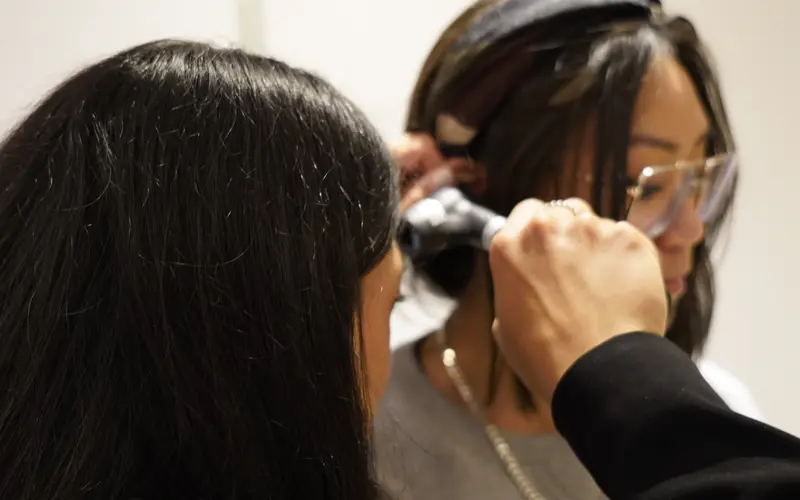
- Ear, nose, throat, and chest exam
- Signs of post-nasal drip, wheeze, crackles, or reflux-related findings
3) Initial Testing and Imaging
- On-site sample collection for bloodwork as indicated (e.g., infection markers, allergies); samples are sent to external labs for analysis
- Chest X-ray requisitions, spirometry referrals, and TB testing when risk factors are present
- All imaging is performed at external OHIP-funded facilities; Care& does not perform imaging on-site
4) Targeted Treatment Trials
- UACS: intranasal steroids, saline rinses, second-generation antihistamines, decongestants when safe
- Asthma: inhaled corticosteroids ± bronchodilators with reassessment timelines
- GERD/LPR: lifestyle measures plus a structured trial of acid suppression when appropriate
- ACE inhibitor cough: safe medication substitution plan in collaboration with you
- Post-infectious cough: cough-calming strategies and follow-up to confirm improvement
5) Follow-Up and Adjustment
- We schedule unrushed appointments to review your response, adjust care, and ensure you feel heard
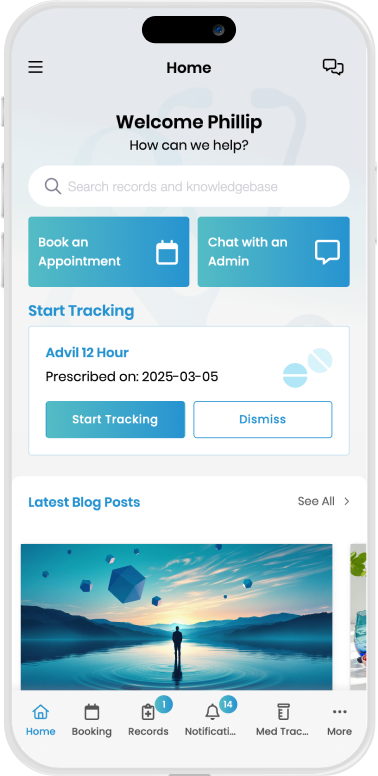
- Our medical app Toronto patients use lets you review results, request one-click refills, and track progress between visits
- Unlimited healthcare appointments through membership support proactive, guided care rather than quick, one-off fixes
If you’re searching for a Lawrence Park medical clinic or typing “yorkcille medical clinic” by mistake when you mean Yorkville, Care& provides Nurse Practitioner-led care at both Care& Lawrence Park and Care& Yorkville—by appointment only.
Care& App Feature: Health Records & Results
Our app keeps all your test results and health information in one secure place. You can review diagnostic results, track your cough symptoms, and message our team with any questions.
Practical, At-Home Steps to Try Now
While you arrange care, these measures often help reduce coughing:
Hydration & Soothing
Sips of water, warm tea with honey, and broths soothe irritated airways
Humidify
A clean cool-mist humidifier can ease dryness, especially in winter
Nasal Care
Saline rinses reduce post-nasal drip; consider an intranasal steroid if allergies are known
Sleep Smart
Elevate the head of the bed and avoid heavy meals within 3 hours of bedtime (helpful for reflux)
Review Medications
Check if you’re on an ACE inhibitor; do not stop without medical advice—ask about alternatives
Avoid Irritants
Smoke, vaping, fragrances, and strong cleaning chemicals
If the cough is disrupting work or school, our telehealth services can help you secure a note or create a plan with your employer. For organizations, Care& offers employee healthcare solutions and workplace wellness support to reduce absenteeism and address recurrent respiratory concerns.
Need professional guidance for your persistent cough?
Our Nurse Practitioners can help create a personalized treatment plan.
Treatment by Cause: What Improvement Looks Like
- UACS (post-nasal drip): Many adults notice improvement within 2–4 weeks with consistent nasal therapy; complete resolution may take longer
- Asthma/cough-variant asthma: Inhaled corticosteroids often help within 2–3 weeks; regular follow-up ensures proper technique and dosing
- GERD/LPR: Lifestyle changes plus acid suppression may take several weeks; expect gradual improvement
- Post-infectious cough: Often resolves naturally over 3–8 weeks; symptomatic relief and reassurance matter
- ACE inhibitor cough: Typically fades within 1–4 weeks after switching medications
We emphasize measurable milestones—better sleep, fewer coughing fits, reduced triggers—and revisit the plan if progress stalls. Our approach balances thorough investigation with careful avoidance of unnecessary testing.
When More Investigation Is Needed
If the cough persists despite initial treatment or red flags arise, further evaluation may include:
- Repeat chest imaging or advanced imaging ordered by specialists
- Full pulmonary function testing (spirometry with bronchodilator response, diffusion capacity)
- Allergy testing, ENT evaluation for sinus disease or LPR
- Sputum cultures if chronic infection is suspected
- Specialist referral for suspected interstitial lung disease, bronchiectasis, or chronic aspiration
Care& coordinates referrals to respirology, ENT, gastroenterology, or sleep medicine when needed. As a private, appointment-based medical clinic, we collaborate with OHIP-covered diagnostic services and specialists while providing you with continuous NP-led support.
Why Many Adults Choose a Nurse Practitioner-Led Clinic for Chronic Cough
Finding a family doctor near me can be challenging in Toronto, and traditional walk in clinic models are not designed for longitudinal follow-up. At Care&, Nurse Practitioners provide comprehensive primary care services comparable to family physicians, including diagnosis, prescriptions, and ongoing management. Our care model is an alternative to walk-in clinic visits, built for continuity and depth.
What this looks like in real life:
- Appointments that start on time and are unrushed, so you get space to explain the history
- A care plan that you can revisit through unlimited appointments when you’re a member
- Coordinated testing with on-site sample collection and prompt requisitions for imaging and spirometry
- Clear follow-up timelines and secure access to results in the Care& app
- Telemedicine and virtual appointment options when you can’t come in person
If you’re struggling to find a medical clinic that has time to fully address your concerns, Care& Family Health offers Nurse Practitioner-led primary care with on-time medical appointments designed to minimize wait time.
Ready to experience a different approach to healthcare?
Our Nurse Practitioner team provides comprehensive, continuous care.
A Gentle Reminder About Expectations
Even with the right treatment, chronic cough may improve gradually. The goal is steady progress—fewer coughing fits, better sleep, less throat irritation—checked at reasonable intervals. Our Nurse Practitioners track your improvement, adjust therapy when needed, and ensure nothing important is missed.
If you’ve been cycling through urgent visits without resolution or you’re waiting months to see someone, our appointment-based model can help. Care& provides an accessible, thorough alternative to traditional walk-in clinics and can serve as your primary provider under our annual plan.
Ready for Relief? Your Next Steps
- Keep a brief cough diary: when it’s worse, what triggers it, any reflux or nasal symptoms
- Gather your medication list: include over-the-counter products and supplements
- Book an appointment: in-person or virtual, to start a targeted plan
- If you prefer in-person: choose our Lawrence Park or Yorkville locations
- If you prefer virtual: our telemedicine options are integrated with our medical app Toronto patients use daily
If you’re searching for a trusted medical clinic in Toronto with Nurse Practitioner-led care, Care& typically offers same or next-day appointments for appropriate cases and provides continuity through unlimited appointments for members. It’s a practical way to move from worry to a plan.
Less Wait Time, More Face Time
Take the first step toward addressing your chronic cough.
FAQs
Q1) How long should I wait before getting a chronic cough checked?
At Care&, we recommend booking a medical appointment if your cough lasts more than 8 weeks, or sooner if you have red flags like shortness of breath at rest, chest pain, coughing up blood, or unexplained weight loss. If your cough follows a cold or COVID-19, it may linger 3–8 weeks; still, check in if it’s not improving or is affecting daily life.
Q2) Can a Nurse Practitioner diagnose and treat chronic cough like a family doctor?
Yes. Nurse Practitioners in Ontario assess, diagnose, prescribe medications, and order tests (e.g., chest X-rays, spirometry). At Care&, our Nurse Practitioners provide comprehensive primary care comparable to family physicians. For many adults seeking a family doctor near me, our NP-led model offers an effective alternative with continuity and follow-up, without relying on traditional walk-in clinics.
Q3) What tests might be ordered, and what costs are involved in Ontario?
Depending on your story and exam, Care& may arrange on-site sample collection for lab work and issue requisitions for chest X-rays or spirometry at OHIP-covered facilities. Imaging and public lab analysis are typically covered by OHIP. Care& does not perform imaging on-site. We coordinate referrals when needed and share results through our app.
Q4) Is telemedicine appropriate for evaluating a chronic cough?
In many cases, yes. A virtual appointment lets us review your history, medications, and triggers, and start a treatment plan or testing. If physical examination or testing is needed, we’ll book you in-person. Care& blends telehealth services with in-person care, so you don’t lose momentum while we investigate your symptoms.
Q5) My cough is mostly at night or after meals—what does that suggest?
Night-time cough can point to asthma, post-nasal drip, or reflux. Cough after meals often suggests GERD/LPR. At Care&, we assess patterns and triggers, start targeted therapy (e.g., nasal steroids for UACS, inhalers for asthma, reflux measures), and set clear follow-up. Elevating the head of your bed and avoiding late meals can help while you await your appointment.
If you’re seeking a thoughtful, Nurse Practitioner Toronto team to help with a persistent cough—and you want an alternative to traditional walk-in clinics—Care& can help. Book an appointment at Care& Lawrence Park or Care& Yorkville. Our appointment-based model, unlimited appointments for members, and coordinated testing make it easier to breathe easier again.
Less Wait Time, More Face Time
Visit www.careand.ca to register
Disclaimer: This article is for informational purposes only and does not constitute medical advice. Always consult with a qualified healthcare provider for personal medical guidance. The information provided is general in nature and may not apply to individual circumstances.