Cold Weather Joint Stiffness: Medical Solutions Beyond “It’s Just the Weather” in Toronto
When the temperature drops in Toronto, many people notice a familiar ache: stiff knees on the first steps out of bed, tight hands while gripping a steering wheel, achy hips after a short walk. It’s easy to shrug it off as “just the weather,” but persistent winter joint stiffness deserves more than resignation. For some, cold-weather aches are a sign that joints need targeted care—and for others, they can be the first clue of an underlying condition that can be treated.
At Care&, we believe winter shouldn’t set the pace of your life. This guide explains why joints feel worse in the cold, which conditions deserve medical attention, the practical steps you can take at home, and the medical treatments available in Toronto that go far beyond “wait until spring.”
In this guide, you’ll find:
- • Clear explanations (in plain language) of what’s happening inside your joints
- • A realistic, step-by-step plan to feel better across the next month
- • When to seek care and what assessment looks like in Canada
- • How Nurse Practitioner-led primary care can be an effective alternative to traditional models when you need timely, unrushed support
Table of Contents
- Why cold weather makes joints feel stiff
- When stiffness signals a medical condition
- A quick self-check you can do this week
- Practical, evidence-informed relief
- Medical options that go beyond “wait it out”
- Virtual care in winter
- When to seek care now
- What if you don’t have a family doctor?
- Who gets winter joint stiffness?
- Workplace strategies for winter joints
- How Care& can help—without the rush
- A 30-day plan to feel better by February
- Navigating care in Toronto: Locations and access
- FAQ
Why cold weather makes joints feel stiff (and what’s really going on)
Cold weather itself doesn’t cause arthritis, but it can amplify symptoms through several mechanisms:
- Barometric pressure: Shifts in air pressure may subtly change joint pressure and fluid distribution, especially in already sensitive joints.
- Synovial fluid viscosity: Joint lubricant behaves like oil—thicker in the cold. That can make movement feel creaky until you warm up.
- Protective muscle tension: Muscles around joints tighten to conserve heat, increasing stiffness and reducing flexibility.
- Nerve sensitivity: In colder temperatures, pain receptors may become more reactive, making existing discomfort feel sharper.
- Behaviour shifts: We move less in winter, which weakens stabilizing muscles and shortens soft tissues. Less movement equals more stiffness.
- Vitamin D and mood: Shorter daylight hours can reduce vitamin D levels and affect mood. Low vitamin D and untreated anxiety or depression can heighten pain perception.
If your joints only feel mildly stiff for a few minutes on cold mornings, temperature is a likely driver. If stiffness is persistent, painful, or function-limiting, it’s worth investigating underlying causes.
When stiffness signals a medical condition
Winter can unmask issues that have been building. Conditions to consider include:
- Osteoarthritis (OA): The most common cause of joint pain. Typical signs include stiffness after inactivity, pain with load-bearing (like going downstairs), and bony swelling in fingers or knees.
- Inflammatory arthritis: (e.g., rheumatoid arthritis, psoriatic arthritis): Hallmarks include morning stiffness lasting over an hour, warmth or swelling of joints, and symmetrical involvement (both hands or wrists). These respond best to early diagnosis and disease-modifying therapy.
- Gout: Sudden, severe pain—often in the big toe, sometimes in knees, ankles, or elbows. Attacks can be triggered by dietary factors, dehydration, or cold exposure.
- Bursitis or tendinopathy: Localized, activity-related pain that can flare with overuse or poor form during winter sports.
- Hypothyroidism: Can cause joint and muscle aches, fatigue, and weight gain; more common in women and with increasing age.
- Fibromyalgia and central sensitization: Amplified pain signals that often intensify with stress, poor sleep, or cold weather.
Important: If your stiffness is new, worsening, or occurring alongside swelling, warmth, redness, fevers, weight loss, rashes, or marked morning stiffness, a medical evaluation is important.
A quick self-check you can do this week
- • Morning stiffness timer: Note how long it takes to loosen up. Under 15 minutes leans more mechanical; more than an hour suggests inflammation.
- • Function test: Track “first 10 steps” pain and ability to fully make a fist on waking. Improvement within minutes suggests cold sensitivity; persistent difficulty merits an assessment.
- • Swelling scan: Compare knuckles, knees, and ankles left vs right. Visible swelling, warmth, or redness warrants care.
- • Symptom diary: In the Care& app (or your notes), log triggers (cold exposure, activity, certain foods), pain levels (0–10), sleep quality, and medications used. Patterns help tailor treatment.
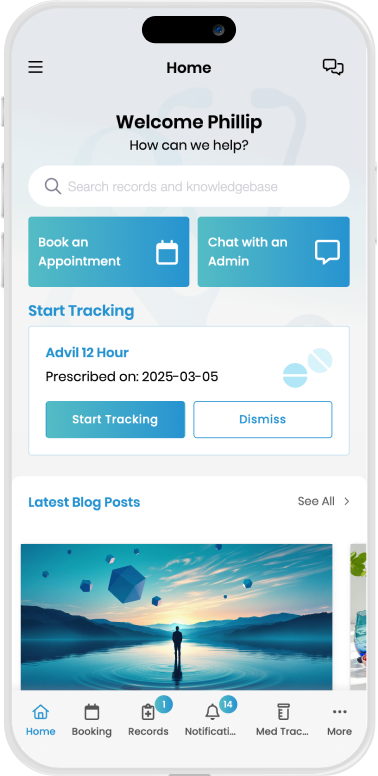
Care& App Feature: Use our Health Metrics tracking to consistently monitor your joint pain patterns. Log daily pain scores, stiffness duration, and medication effectiveness to reveal trends that can guide treatment.
What you can start today: Practical, evidence-informed relief
These strategies work best in combination. Aim for small changes, repeated consistently.
1) Warm-up the right way
- Before outdoor activity or morning chores:
- 5 minutes of gentle heat (warm shower or a heating pad on low)
- 5–10 minutes of dynamic movement: leg swings, gentle marching, shoulder circles, wrist circles, and slow sit-to-stands
- For hands: A paraffin bath (available at many pharmacies) can reduce stiffness in finger joints before typing or meal prep.
2) Dress for joint health
- Layered clothing traps heat. Focus on extremities: thermal socks, warm gloves or mitts, and a head covering.
- Supportive footwear with good traction reduces impact and lowers the risk of slips that inflame joints.
- For knees or wrists, a light, flexible brace can provide feedback and warmth without restricting movement.
3) Keep moving (gently and regularly)
- Aim for most days of the week, alternating mobility, strength, and low-impact cardio:
- Mobility: 5 minutes of joint range-of-motion exercises for hips, knees, hands, and spine.
- Strength: 2–3 sets of 8–12 reps, 2–3 times/week: sit-to-stands, wall push-ups, resistance-band rows, calf raises, and bridges. Strong muscles offload painful joints.
- Cardio: 20–30 minutes of low impact (walking, cycling, swimming, or snowshoeing) at a comfortable pace.
- Rule of thumb: Mild temporary soreness is acceptable; sharp pain or swelling that lasts into the next day is a signal to scale back.
4) Optimize your home environment
- Keep indoor temperatures steady; avoid cold drafts on working areas.
- Maintain comfortable humidity (around 30–50%) to reduce stiffness in airways and muscles.
- Use ergonomic setups for desks and cooking stations to reduce repetitive strain.
5) Nutrition that supports joints
- Mediterranean-style eating (vegetables, fruit, whole grains, legumes, fish, olive oil) is linked to lower inflammation.
- Vitamin D: In Canada, deficiency is common in winter. Many adults benefit from 800–2000 IU/day, though dosing should be personalized after a discussion and, when appropriate, a blood test.
- Omega-3s: Fatty fish (salmon, trout, sardines) 2–3 times weekly, or supplements if appropriate.
- Hydration: Even mild dehydration can increase perceived pain.
- For gout-prone individuals: Moderate alcohol, especially beer and spirits; limit high-purine foods; consider a personalized plan through nutrition counseling.
6) Targeted over-the-counter options
- Topical NSAIDs (e.g., diclofenac gel) can reduce knee and hand pain with fewer systemic effects.
- Capsaicin cream may help with hand OA; apply consistently for best results.
- Oral acetaminophen can be useful; avoid exceeding recommended daily limits (generally up to 3000 mg/day for most adults).
- Oral NSAIDs (e.g., ibuprofen, naproxen) may help short term but can raise risks (blood pressure, kidneys, stomach). Discuss with a clinician if you have heart, kidney, or GI conditions, or take blood thinners.
7) Sleep, stress, and mood
- Quality sleep lowers pain sensitivity. Aim for consistent bedtimes, a cool dark room, and winding down without screens.
- Stress can amplify pain signals. Brief daily practices—5 minutes of box breathing or a guided meditation—can reduce perceived stiffness.
- If pain is affecting mood or vice versa, anxiety treatment and brief counseling can be part of a comprehensive plan.
If you’ve tried a few of these steps for 2–4 weeks without reliable improvement, a medical appointment can help refine the plan and screen for conditions that need targeted treatment.
Unrushed appointments with comprehensive assessment
Medical options that go beyond “wait it out”
A thorough assessment leads to more precise solutions. At Care&, Nurse Practitioners conduct detailed histories and exams, request lab tests through our on-site sample collection, and coordinate imaging and specialist referrals as needed.
What assessment may include
- Physical examination: Joint range of motion, tenderness, swelling, warmth, ligament integrity, and gait assessment.
- Lab tests (when indicated): Inflammatory markers (CRP, ESR), rheumatoid factor and anti-CCP for suspected rheumatoid arthritis, uric acid for gout, thyroid function (TSH), vitamin D levels, and others based on history.
- Imaging: X-rays for osteoarthritis changes; ultrasound for soft tissue or effusions; MRI in specific cases. While Care& does not perform imaging on site, requisitions are provided, and OHIP typically covers medically necessary imaging in Ontario.
Targeted medical treatments
- Intra-articular corticosteroid injections: Can reduce inflammation and pain for weeks to months in an inflamed joint. Best used selectively; frequency is limited to reduce cartilage risk.
- Hyaluronic acid (viscosupplementation): May benefit some people with knee osteoarthritis, though evidence is mixed. A discussion of benefits, costs, and expectations is essential.
- Platelet-rich plasma (PRP): Evolving evidence; may help some tendinopathies and early OA. Suitability varies—an honest risks/benefits conversation matters.
- Disease-specific therapies:
- Rheumatoid arthritis and other inflammatory arthritides: Early use of disease-modifying anti-rheumatic drugs (DMARDs) can protect joints and function. Prompt referral to rheumatology is key.
- Gout: Urate-lowering therapy (e.g., allopurinol) prevents attacks and joint damage.
- Hypothyroidism: Thyroid hormone replacement can relieve musculoskeletal symptoms.
- Rehabilitation: Referral to physiotherapy, hand therapy, or occupational therapy to improve strength, mobility, and joint protection strategies.
Care& typically offers same or next-day availability across our Toronto locations for assessments related to acute flares; while not guaranteed, timely access helps prevent prolonged setbacks. All visits are appointment-based—Care& is not a walk-in clinic—and our unrushed appointments are designed to start on time.
Virtual care in winter: What makes sense by telemedicine vs in-person
Winter travel can be challenging. Many aspects of joint care work well through a virtual appointment:
Virtual Visit Appropriate For:
- Reviewing symptoms, triggers, and self-management progress
- Adjusting medications and discussing lab results
- Teaching home exercises, pacing strategies, and brace use
- Follow-ups after injections or therapy
In-Person Visit Better For:
- New significant swelling, warmth, or redness
- Acute injuries or suspected septic joint (emergency assessment may be required)
- Physical examinations that guide procedures or bracing
Care& App Feature: Schedule virtual appointments through our app for convenient care without battling winter travel. Our secure video platform maintains privacy while giving you access to the same comprehensive care as in-person visits.
Care& provides telehealth services across Toronto through our medical app. For many patients, a blended approach—virtual for education and follow-up, in-person for exams or procedures—offers effective and efficient care.
When to seek care now
Please book an assessment promptly—or seek urgent care—if you notice:
- A hot, red, swollen joint with fever or feeling unwell
- Sudden inability to bear weight after a twist or fall
- Joint locking, catching, or new significant deformity
- Severe morning stiffness lasting longer than an hour for several weeks
- Unexplained weight loss, rash, or persistent night pain
If you’re searching for a “medical clinic near me” to evaluate these symptoms, remember that not every clinic can assess joint conditions comprehensively during a quick visit. At Care&, Nurse Practitioners perform full assessments and coordinate next steps to keep you moving safely.
Same or next-day appointments often available
What if you don’t have a family doctor?
It’s common in Toronto to search “family doctor near me” or “family doctors accepting new patients” and struggle to find availability. Nurse Practitioners at Care& provide comprehensive primary care services similar to what many people expect from a family doctor, including chronic disease management, medication prescribing, preventive health, and coordination of referrals.
How Care& differs from walk-in clinics:
Care& Approach:
- Appointment-based system (not walk-in)
- Unrushed appointments (typically 20-30 minutes)
- Continuity with same provider
- On-site lab sample collection
- Comprehensive health records in our app
Traditional Walk-In Experience:
- First-come, first-served model
- Brief visits (often 5-10 minutes)
- Different provider each visit
- Usually requires external lab visits
- Limited access to your health data
Care& is appointment-based (not a walk in clinic). For those who usually rely on a “walk in clinic near me” for episodic issues, our model acts as an alternative to traditional walk-in clinics with the benefit of continuity: unlimited healthcare appointments through our membership, on-site lab sample collection, and secure access to records through our app. If you are exploring a Lawrence Park medical clinic or Yorkville option, Care& operates both, so you don’t have to compromise on location. And yes, we know that winter search typos happen—if you find yourself typing “mm edical clinics” or “yorkcille medical clinic,” you’re still likely looking for Yorkville or Lawrence Park; we’re here to help at either site.
For those preferring digital convenience, our medical app (Toronto-based) supports bookings, real-time access to lab results, and health metrics tracking, including Apple Health integration on iOS.
Who gets winter joint stiffness? Clues by life stage and health focus
Pediatric care:
Children may report “growing pains,” usually bilateral, at night, improving with massage and movement. Persistent morning stiffness, swelling, or limping merits evaluation for juvenile idiopathic arthritis or biomechanical issues.
Women’s health:
Perimenopausal and postmenopausal transitions can bring joint stiffness; hormonal shifts, sleep changes, and bone density considerations influence symptom patterns.
Men’s health:
Gout is more common in men, particularly with metabolic risk factors. Weight management and targeted nutrition make a meaningful difference.
Athletes and active adults:
Tendon and bursa irritation rise in winter with sudden changes in training surfaces or neglected warm-ups.
Chronic conditions:
Diabetes, obesity, and autoimmune disorders increase joint stress and inflammation, making winter planning especially important.
Care& provides integrated support across these needs—women’s and men’s health, pediatric care, chronic disease screening, anxiety treatment, and nutrition counseling—to address both the joints and the person they belong to.
Workplace strategies for winter joints
When workdays are split between commuting and sitting:
Micro-breaks:
1–2 minutes of movement every 30–45 minutes reduce stiffness.
Ergonomics:
Adjust monitor height, keyboard position, and chair support. For standing desks, alternate positions and use anti-fatigue mats.
Safe commuting:
Good footwear, cleats for icy days, and a small backpack rather than a shoulder bag reduce joint load.
Stretch cards:
Keep a simple set of 3–4 stretches at your workstation.
Care& partners with organizations through corporate health services to support workplace wellness—combining ergonomics, employee healthcare solutions, and rapid access to primary care to reduce pain-related absences during the winter months.
How Care& can help—without the rush
Winter stiffness can’t be solved in a five-minute visit. At Care&, unrushed appointments leave room to understand what’s driving your pain, make a plan, and adjust it with you. Nurse Practitioners in Toronto provide primary care that includes:
- ✓ Comprehensive evaluations of joint pain and stiffness
- ✓ On-site sample collection for labs, with results delivered to your app
- ✓ Referrals for imaging and allied health services
- ✓ Virtual follow-ups to review progress and fine-tune exercises or medications
- ✓ Unlimited appointments through our Family Practice membership for ongoing support
- ✓ On-time medical appointments designed for minimal or no wait time
If you’ve been relying on a walk-in model for years, Care& offers an alternative to a family doctor setup with continuity and convenient access. We typically offer same or next-day availability at one of our locations, though timing can vary. Everything is appointment-based, and booking is easy via our app or web portal.
If you’re managing joint pain and tired of starting over at each visit, consider booking a medical appointment with Care&. Unlimited, on-time visits with a dedicated Nurse Practitioner help you stay ahead of symptoms rather than chasing them.
A 30-day plan to feel better by February
Week 1: Warm-up and track
- Daily 10-minute warm-up + 15–20 minutes of gentle walking or cycling
- Start a symptom diary in the Care& app: pain scores, stiffness duration, triggers
- Begin topical NSAID for the most troublesome joint (if appropriate)
Week 2: Strengthen and support
- Add resistance exercises 2–3 times (sit-to-stands, wall push-ups, band rows, calf raises)
- Review footwear and add a joint-specific brace only if it reduces pain during tasks
- Discuss vitamin D intake; consider a supplement after consulting a clinician
Week 3: Fine-tune and fuel
- Shift 1–2 meals per day toward Mediterranean-style eating
- Incorporate a paraffin bath (hands) or moist heat (knees/hips) before activity
- Check in virtually with a clinician to refine the plan if progress has stalled
Week 4: Reassess and advance
- If stiffness persists or worsens, schedule an in-person assessment for targeted labs, imaging, or procedures
- Add light intervals to cardio (e.g., 1 minute brisk, 2 minutes easy) if pain is stable
- For ongoing symptoms, consider physiotherapy or an injection discussion
For those who benefit from consistent guidance, Care&’s membership model includes unlimited healthcare appointments. That continuity can be the difference between a plan you try and a plan you complete.
Navigating care in Toronto: Locations and access
Care& operates two Toronto locations, often chosen by people searching for a Lawrence Park medical clinic or a Yorkville medical clinic:
Care& Lawrence Park
Yonge Street at Lawrence
Care& Yorkville
Cumberland Street near Bay and Bloor
All services—clinic, telemedicine, and labs—require pre-booked appointments. Through our medical app, Toronto patients can schedule in-person or virtual care, access records, request prescription refills, and review lab trends. While we do not accept OHIP for appointments, OHIP typically covers medically necessary imaging and external lab analysis in Ontario when ordered by a qualified clinician.
Care& App Feature: Our Toronto medical app makes booking appointments and managing your health simple. With just a few taps, you can schedule visits at either of our Toronto locations, view upcoming appointments, and receive important reminders.
Final thoughts
Cold-weather joint stiffness is real—but it’s not inevitable. A combination of smart self-care, evidence-based therapies, and a supportive primary care team can help you move comfortably through winter. At Care&, Nurse Practitioners in Toronto deliver comprehensive, on-time care that treats the cause, not just the season.
If joint pain is holding you back, we’re here to help you get moving again—safely, thoughtfully, and without the rush.
Less Wait Time, More Face Time
Frequently Asked Questions
Does cold weather cause arthritis, or just make it feel worse?
Cold weather does not cause arthritis, but it can amplify symptoms through barometric pressure changes, thicker joint fluid, muscle tension, and altered pain sensitivity. If you have persistent stiffness, swelling, warmth, or morning stiffness over an hour, we recommend an assessment to rule out inflammatory conditions and tailor treatment beyond weather-related strategies.
What vitamins or supplements help with winter joint stiffness?
Vitamin D is commonly low in Canadian winters and can influence musculoskeletal comfort. Many adults benefit from 800–2000 IU/day, but dosing should be individualized. Omega-3s (via fish or supplements) can support joint health. We assess your diet, medications, and labs before recommending supplements to ensure safety and effectiveness.
How do I know if it’s osteoarthritis versus rheumatoid arthritis?
Osteoarthritis often presents with stiffness after inactivity and pain that worsens with activity, improving with rest. Rheumatoid arthritis typically shows prolonged morning stiffness (over an hour), symmetrical joint involvement, and swelling or warmth. At Care&, we assess your history, examine affected joints, and may order labs (CRP, ESR, RF, anti-CCP) and imaging to differentiate.
Are joint injections right for me, and are they available in Toronto?
Injections like corticosteroids can provide relief for select joints, particularly in inflammatory flares or osteoarthritis. Hyaluronic acid and PRP are options for specific cases, with varying evidence. We discuss your goals, review imaging, and consider risks before deciding. Care& coordinates appropriate procedures and follow-up within a comprehensive treatment plan.
I can’t find a family doctor near me. Can Care& manage chronic joint issues long-term?
Yes. Care& is a Nurse Practitioner-led medical clinic providing comprehensive primary care—an effective alternative to a family doctor or a traditional walk-in clinic. With unlimited appointments, on-time scheduling, and on-site lab sample collection, we support ongoing joint care and overall health. Appointments are required and can be booked easily through our app or web portal.
Less Wait Time, More Face Time
Visit www.careand.ca to register
Disclaimer: This article is for informational purposes only and does not constitute medical advice. Always consult with a qualified healthcare provider for personal medical guidance. The information provided is general in nature and may not apply to individual circumstances.